
Many families assume that once they inherit a property, they have no choice but to sit on the sidelines until the entire transmission process is complete before even thinking about selling. It’s a common belief—and an understandable one—but it isn’t entirely accurate. In reality, there’s an important distinction between deciding to sell an inherited property and having the legal authority to complete the transaction.
In Singapore, beneficiaries and executors can often begin discussing the sale, gathering documents, obtaining a property valuation, and preparing the property for the market long before the legal paperwork is fully finalised. However, while you can plan ahead, the sale itself cannot be legally completed until the estate has been properly administered and the person acting on behalf of the estate has the legal authority to transfer ownership.
Understanding this difference can save valuable time and prevent costly misunderstandings. Rather than viewing property transmission as a mandatory “waiting period,” it’s more accurate to see it as the legal step that gives the seller the authority to complete the transaction. In this guide, we’ll explain when you can start preparing to sell, when you must wait, and why property transmission plays such a crucial role in ensuring the sale proceeds smoothly.
The Short Answer: No—But Transmission Must Be Completed Before the Sale Can Finish
The simple answer is no—you do not have to wait for property transmission before deciding to sell an inherited property. However, transmission must generally be completed before the sale can be legally completed. This distinction often causes confusion because many people assume that no part of the selling process can begin until all legal paperwork has been finalised.
In practice, there are two separate stages. The first is making the decision to sell and preparing the property for the market. The second is completing the legal transfer of ownership to the buyer. While the first can often begin early, the second can only happen once the estate has the proper legal authority to act.
You Can Decide to Sell Before Transmission
Families frequently start planning a sale soon after inheriting a property. This may involve discussing whether selling is the best option, speaking with a property agent, arranging a professional property valuation, preparing the home for viewings, and gathering the necessary documents.
Starting these preparations early can be beneficial. It gives beneficiaries time to understand the property’s market value, consider their options, and avoid unnecessary delays once the legal process has caught up. For estates with multiple beneficiaries, early discussions can also help everyone reach an agreement before the property is eventually listed.
What you should avoid, however, is assuming that early planning gives you the legal right to transfer ownership. Until the estate has been properly administered, the sale cannot move to completion.
Legal Authority Is Required Before Completion
Before an inherited property can legally be sold, someone must have the authority to act on behalf of the deceased’s estate. This authority usually comes after the appropriate legal process has been completed, whether through a Grant of Probate or Letters of Administration, followed by the necessary property transmission procedures.
If the property remains registered in the deceased’s name and no executor or administrator has been legally empowered to act, the transaction cannot proceed to completion. The buyer’s lawyers will require proof that the person signing the sale documents has the legal authority to transfer ownership.
In some cases, additional matters such as outstanding mortgages or estate-related issues may also need to be resolved before the sale can be completed.
Understanding the Difference Between Planning and Completing a Sale
One of the biggest misconceptions is treating the entire selling process as a single event. In reality, selling an inherited property involves both commercial decisions and legal requirements, and they do not happen at the same time.
Planning a sale includes deciding to sell, understanding the property’s market value, preparing the property, and even exploring buyer interest. These steps can often begin before transmission is complete.
Completing a sale, however, is a legal transaction. Ownership cannot be transferred to a buyer until the estate has been properly administered and the person handling the sale has the legal authority to do so. In other words, you don’t need to wait to start planning—but you do need to wait before the sale can legally be finalised. Understanding this distinction allows families to prepare efficiently while ensuring the transaction proceeds smoothly when the legal requirements have been satisfied.
What Is Property Transmission?
Property transmission is the legal process of updating ownership records after a property owner passes away. It ensures that the person managing the deceased’s estate has the legal authority to deal with the property, whether that means transferring it to beneficiaries, retaining ownership, or eventually selling it.
Many people confuse transmission with inheritance itself, but they are not the same. Inheriting a property means you have a legal entitlement under a will or the rules of intestacy. Property transmission is the administrative process that formally recognises that entitlement and updates the property’s legal records so future transactions can proceed without complications.
Understanding how transmission works is essential because it forms the bridge between the owner’s death and the property’s eventual sale.
How Property Transmission Happens After Someone Passes Away
When a property owner dies, ownership does not automatically pass to the beneficiaries in a way that allows them to immediately sell the property. Instead, the estate must first go through the appropriate legal process before the property’s ownership records can be updated.
Once the necessary legal documents have been obtained, the property is transmitted to the executor, administrator, or beneficiaries, depending on the circumstances of the estate. This process formally records who now has the authority to deal with the property and ensures that future transactions are legally recognised.
Only after this process has been completed can the property generally proceed smoothly towards a sale or transfer to its new owner.
The Role of Probate and Letters of Administration
Before property transmission can take place, someone must first be legally authorised to administer the deceased’s estate.
If the deceased left a valid will naming an executor, the executor typically applies for a Grant of Probate, which confirms their authority to manage the estate according to the wishes set out in the will.
If there is no valid will or no executor is able to act, the court may appoint an administrator through Letters of Administration. The administrator performs a similar role but distributes the estate according to Singapore’s intestacy laws rather than a will.
These legal documents are fundamental because they establish who has the authority to manage the deceased’s assets, including any property. Without them, no one can legally act on behalf of the estate.
Why Transmission Establishes the Legal Right to Sell
Property transmission is more than an administrative formality—it provides the legal foundation for any future sale.
During a property transaction, the buyer needs assurance that the person signing the sale documents has the legal authority to transfer ownership. Transmission creates that legal chain by updating the property’s ownership records and confirming who is entitled to deal with the property on behalf of the estate.
Without completed transmission, the property may still be legally registered in the deceased’s name, making it impossible to complete the transfer of ownership to a buyer. This is why transmission is often viewed as a key milestone in the selling process. It does not determine whether you can decide to sell, but it does determine whether you can legally complete the sale and transfer ownership to the new buyer.
Can You Start Selling Before Property Transmission Is Complete?
In many cases, yes—you can begin preparing to sell an inherited property before the transmission process is complete. While you cannot legally complete the sale until the estate has the proper authority, there is often plenty you can do in the meantime to make the eventual transaction faster and smoother.
The key is understanding which activities are simply part of the planning process and which require legal authority. Preparing the property, assessing its market value, and discussing a sales strategy are generally very different from signing documents that legally transfer ownership.
Preparing the Property for Sale
Waiting for transmission does not mean waiting to take action. In fact, many families use this period to get everything ready so the property can be marketed as soon as the legal process is complete.
Preparation may include:
- Arranging a professional property valuation to understand the property’s current market value.
- Decluttering, cleaning, or carrying out minor repairs to improve presentation.
- Gathering important documents relating to the property.
- Discussing the preferred selling strategy with beneficiaries or the appointed executor.
- Speaking with a property agent about pricing, timing, and market conditions.
Completing these tasks early can help reduce delays later, especially if the estate administration process takes several weeks or months.
Marketing the Property While Legal Matters Are Ongoing
Depending on the circumstances, families may also begin exploring the market before transmission is finalised. This could include speaking with property agents, assessing buyer demand, or preparing marketing materials so the property is ready to be listed once the legal requirements have been met.
This early planning can be particularly useful in a changing property market, where understanding buyer interest and current pricing helps beneficiaries make more informed decisions.
However, it is important to manage expectations. Interested buyers should understand that the sale remains subject to the estate obtaining the necessary legal authority. Until the transmission process has been completed, the transaction cannot proceed to its final legal stages.
Why Signing a Binding Sale Too Early Can Create Problems
Although preparing for a sale is generally acceptable, entering into a binding sale agreement before the estate has the legal authority to sell can create unnecessary risks.
If the executor or administrator has not yet obtained the authority required to transfer ownership, the transaction may face delays or even fail to proceed as expected. Buyers may become frustrated by uncertainty, financing timelines can be affected, and additional legal complications may arise if completion cannot take place within the agreed timeframe.
For this reason, many families choose to separate marketing from legal commitment. They use the transmission period to prepare the property and gauge market interest while waiting until the necessary legal authority has been established before signing documents that legally commit the estate to the sale.
Taking this approach allows the estate to stay ahead of the process without creating avoidable complications, helping ensure that once transmission is complete, the sale can move forward with greater certainty and confidence.
When Do You Actually Need to Wait?
While you don’t have to put every selling decision on hold, there are situations where you must wait before the sale can legally proceed. These are typically cases where the estate has not yet established the legal authority to deal with the property or where other legal and financial issues remain unresolved.
Knowing what can delay a sale helps beneficiaries set realistic expectations and avoid unnecessary complications later in the process.
When the Property Is Still Registered in the Deceased’s Name
One of the most common reasons for a delay is that the property is still legally registered in the deceased owner’s name.
Although beneficiaries may already know who will inherit the property, legal ownership cannot simply be assumed after death. Until the necessary transmission process has been completed, the property’s records do not reflect the person who has the authority to deal with it.
Because ownership has not yet been legally updated, the property cannot be transferred to a buyer. The sale can be planned and preparations may continue, but completion must wait until the estate has satisfied the legal requirements for transmission.
When No Executor or Administrator Has Been Appointed
Another situation that requires waiting is when no one has been legally authorised to manage the estate.
If the deceased left a valid will, the named executor must obtain a Grant of Probate before acting on behalf of the estate. If there is no will, or no executor is available to act, an administrator must be appointed through Letters of Administration.
Until one of these individuals has the legal authority to represent the estate, there is simply no one who can lawfully sign sale documents or complete the transfer of ownership. Even if all beneficiaries agree that the property should be sold, the legal process must first establish who has the authority to act.
When Outstanding Mortgages or Legal Issues Delay the Sale
Legal authority is only one part of the process. Outstanding financial obligations or unresolved legal matters can also delay a property’s sale.
For example, if there is an existing mortgage on the property, the lender may need to be involved before the transaction can proceed. The outstanding loan must usually be redeemed from the sale proceeds, and the bank may require certain documentation before allowing the discharge of the mortgage.
Other issues can also slow the process, including disputes among beneficiaries, questions over the validity of a will, incomplete estate documentation, or other matters that affect the administration of the estate.
Resolving these issues before completion helps ensure that ownership can be transferred smoothly to the buyer. While these situations may extend the timeline, addressing them early reduces the likelihood of delays or complications once a purchaser has been found.
Other Legal and Financial Matters to Consider Before Selling
Completing property transmission is only one part of the selling process. Before an inherited property can be sold smoothly, there are several legal and financial obligations that should also be addressed. Overlooking these matters can lead to delays during conveyancing, unexpected costs, or disputes between the parties involved.
Taking the time to understand these obligations early allows the estate to prepare properly and helps ensure the transaction progresses with fewer complications.
Property Tax Must Be Properly Settled
Property tax is an important consideration when selling any property in Singapore, including one that has been inherited.
Before the sale is completed, any outstanding property tax should be settled. The seller remains responsible for property tax up to the point ownership is transferred, and the buyer’s solicitor will typically want confirmation that there are no unpaid property tax liabilities that could affect the transaction.
Although property tax may be apportioned between the buyer and seller as part of the completion process, ensuring that the estate’s tax obligations are up to date helps prevent unnecessary delays during settlement.
Seller’s Stamp Duty May Still Apply
Inheriting a property does not automatically exempt it from Seller’s Stamp Duty (SSD).
If the property is sold within the applicable holding period, SSD may still be payable, depending on the circumstances of the ownership and the prevailing regulations. This can reduce the estate’s net sale proceeds, making it an important cost to consider before deciding when to sell.
Understanding whether SSD applies allows beneficiaries and executors to make more informed decisions about the timing of the sale and avoid unexpected tax liabilities.
Outstanding Loans and Estate Obligations
An inherited property may also come with financial commitments that need to be resolved before ownership can be transferred to a buyer.
If there is an outstanding mortgage, the loan generally needs to be redeemed as part of the sale process. The lender will typically work with the solicitors handling the transaction to ensure the outstanding amount is repaid from the sale proceeds before the property is transferred.
Beyond the mortgage, the estate may also have other obligations to manage, such as outstanding expenses related to the property or liabilities that must be settled as part of the estate administration process. Addressing these matters early helps ensure the sale proceeds can be distributed correctly and reduces the risk of delays during completion.
By considering these legal and financial obligations alongside the transmission process, executors and beneficiaries can approach the sale with greater confidence and minimise last-minute surprises.
Common Misunderstandings About Property Transmission
Property transmission is often misunderstood, especially by families dealing with an inherited property for the first time. Because several legal processes happen around the same time, it’s easy to assume they all serve the same purpose or that nothing can be done until every step has been completed.
In reality, transmission is just one part of the estate administration process. Understanding what it does—and what it doesn’t do—can help beneficiaries make informed decisions and avoid unnecessary delays.
Transmission Is Not a Mandatory Waiting Period
One of the biggest misconceptions is that property transmission creates a fixed waiting period before an inherited property can be sold.
In reality, transmission is not a waiting period imposed by law. It is a legal process that establishes who has the authority to deal with the property following the owner’s death. The time it takes depends on how quickly the necessary estate administration steps are completed, not on a prescribed period during which a sale is prohibited.
This means families do not have to postpone every aspect of the selling process. They can still discuss whether to sell, obtain a professional property valuation, prepare the property, and plan their next steps while the legal process is underway. What they cannot do is complete the sale until the appropriate legal authority has been established.
Probate and Transmission Are Different Legal Steps
Another common misunderstanding is treating probate and property transmission as though they are the same thing.
Although they are closely connected, they serve different purposes.
Probate—or, where there is no valid will, Letters of Administration—gives an executor or administrator the legal authority to manage the deceased’s estate. Property transmission comes after this authority has been established and updates the property’s legal records so the authorised party can deal with the property.
Put simply, probate answers the question, “Who is legally authorised to act?” Transmission answers the question, “Who is legally recognised as having the authority to deal with this property?”
Recognising this distinction makes it easier to understand why both steps are important before an inherited property can be sold.
Planning Early Can Reduce Delays Later
Many people worry that they have no choice but to wait until every legal document has been completed before taking any action. In practice, this often leads to unnecessary delays once the estate is ready to proceed.
A more effective approach is to use the transmission period productively. Beneficiaries can discuss their preferred selling strategy, engage a property agent, arrange a professional valuation, prepare the property for viewings, and gather the documents needed for the eventual sale.
By separating planning from legal completion, families are often in a much stronger position once transmission has been finalised. Rather than starting from scratch, they can move quickly, respond to market opportunities, and complete the sale more efficiently while remaining fully compliant with the legal requirements.
Why a Professional Property Valuation Is Important Before Selling
Before an inherited property is placed on the market, one of the most valuable steps you can take is obtaining an independent property valuation. While legal processes such as probate and transmission determine who has the authority to sell, a professional valuation helps answer an equally important question: What is the property actually worth?
Relying on online estimates or asking prices from nearby listings can paint an incomplete picture. A professional valuation provides an objective assessment of the property’s current market value, giving executors and beneficiaries a reliable foundation for making important financial decisions throughout the estate administration process.
Know the Property’s Market Value Before Making Decisions
Every major decision surrounding an inherited property begins with understanding its market value.
Should the property be sold immediately or retained as an investment? Is an offer from a buyer reasonable? Would carrying out renovations improve the eventual selling price? These questions are difficult to answer without an accurate valuation.
A professional valuation considers factors such as the property’s location, size, condition, tenure, recent comparable sales, and prevailing market conditions. The result is a realistic assessment of what the property is likely to achieve in the current market, helping the estate avoid both underpricing and unrealistic price expectations.
Help Beneficiaries Agree on a Fair Selling Price
Inherited properties often involve multiple beneficiaries, each with their own expectations about the property’s value. Without an independent assessment, disagreements can easily arise, especially when family members rely on personal opinions or outdated market information.
A professional property valuation provides an impartial reference point that everyone can work from. Instead of debating what the property might be worth, beneficiaries can base discussions on an objective market assessment prepared by a qualified valuer.
This can make it easier to reach consensus on a suitable asking price, reduce the likelihood of disputes, and give everyone greater confidence that the property is being sold at a fair market value.
Support Better Estate Administration and Sale Planning
A property valuation does more than establish a selling price—it supports better planning throughout the estate administration process.
Knowing the property’s value helps executors evaluate the estate’s overall assets, estimate the proceeds available after the sale, and make informed decisions about the timing of the transaction. It also allows beneficiaries to assess whether selling is the most appropriate option compared with retaining or transferring the property.
When combined with the legal steps of probate and property transmission, a professional valuation helps create a clearer roadmap for the entire sale. By understanding both the property’s legal status and its market value, families can make well-informed decisions, minimise uncertainty, and move forward with greater confidence when the time comes to sell.
You Don't Need to Wait to Plan—But You Do Need Legal Authority to Sell
Selling an inherited property is often less about waiting and more about understanding the legal process. While property transmission is an essential step, it should not be viewed as a period where nothing can happen. There is a clear distinction between preparing for a sale and having the legal authority to complete one. Knowing where that line is can help families make better decisions, avoid unnecessary delays, and move through the estate administration process with greater confidence.
Selling Decisions Can Start Before Transmission
If you have inherited a property, you do not need to postpone every decision until transmission has been completed. In many cases, you can begin discussing whether to sell, engage a property agent, obtain a professional valuation, prepare the property for the market, and organise the documents needed for the eventual transaction.
Taking these steps early allows the estate to be ready once the legal requirements have been satisfied. Rather than losing valuable time, beneficiaries can use the transmission period to plan strategically and position the property for a smoother sale.
Transmission Gives the Legal Power to Complete the Sale
Although planning can begin early, the sale itself cannot be legally completed until the estate has the proper authority to transfer ownership.
Property transmission is the legal process that establishes this authority by updating the property’s ownership records following probate or the granting of Letters of Administration. Once transmission has been completed, the authorised executor or administrator can proceed with the legal transfer of ownership to the buyer.
Understanding this distinction helps avoid one of the most common misconceptions surrounding inherited property. You don’t need to wait to plan the sale—but you do need transmission before you can complete it.
An Accurate Property Valuation Helps You Sell With Confidence
Alongside the legal process, knowing the property’s true market value is one of the most important steps in achieving a successful sale. An independent property valuation provides an objective assessment that helps beneficiaries set realistic expectations, agree on a fair asking price, and make informed financial decisions throughout the estate administration process.
Whether you’re still waiting for transmission or preparing to list the property, a professional valuation gives you the confidence to move forward with clarity. Combined with the proper legal authority, it lays the foundation for a smoother transaction and helps ensure the inherited property is sold at a fair market value.
If you’re planning to sell an inherited property, don’t wait until the last minute to understand what it’s worth. An independent property valuation gives you a clear picture of the property’s current market value, helping beneficiaries make informed decisions and prepare for a successful sale once the legal process is complete. Contact us today for a professional property valuation and take the next step with confidence.
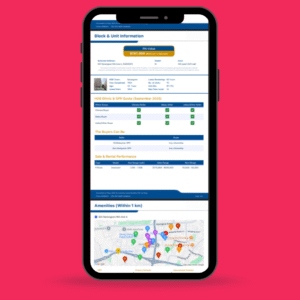
Find Out What Your Home Is Really Worth Today?
Get a data-driven property valuation in minutes, backed by the latest URA & HDB transactions and market trends. Whether you are planning to sell, buy, or refinance, knowing your homes true value gives you the confidence to make smarter decisions.