The Question Everyone Asks (But Few Get Right)
It usually starts with a mix of relief and uncertainty.
A property lands in your name—passed down, not purchased. No bidding war, no loan stress, no CPF calculations. Just value, quietly transferred. On paper, it feels like a windfall.
But then the practical question creeps in—the one no one really prepares you for:
What happens when I sell this?
More specifically:
“Will I be taxed on the sale?”
It’s the kind of question that sounds simple—but rarely gets a straight answer. Ask around, and you’ll hear everything from “confirm kena tax” to “don’t worry, Singapore no capital gains.” Somewhere in between sits the truth—nuanced, conditional, and often misunderstood.
Because here’s the reality:
Most people assume there must be a tax when money changes hands—especially when it involves property.
But Singapore doesn’t quite follow that script.
And if you understand how the system actually works, you might realise the bigger risk isn’t paying tax—it’s misunderstanding when it applies, and what really costs you when you sell.
Is There Inheritance Tax in Singapore?
Let’s clear this up immediately—because this is where most of the confusion begins.
No, Singapore does not have inheritance tax.
In fact, what used to exist—estate duty—was removed for deaths on or after 15 February 2008. That means if you’ve inherited a property today, there is no tax simply for receiving it. No percentage shaved off. No bill waiting in the background.
This is a critical distinction. In many countries, inheritance triggers an immediate tax event. In Singapore, it doesn’t. The transfer of wealth—from one generation to the next—is largely untouched from a tax perspective.
So if you’re worrying about being taxed just because the property is now in your name, you can set that aside.
But here’s where the shift happens:
The tax conversation doesn’t start when you inherit.
It starts when you decide what to do with that property.
What Happens When You Sell the Property?
So inheritance isn’t taxed. That part is clean.
But the moment you shift from holding the property to selling it—that’s where the real questions begin.
Because this is the point where most people assume a tax will kick in. After all, you’re converting a physical asset into cash—often a significant sum. It feels like income. And in most places, that instinct would be right.
In Singapore, it’s not that straightforward.
The key distinction comes down to how the gain from your sale is classified:
Is it treated as a capital gain—or as taxable income?
This single line determines everything.
If it’s a capital gain, you generally walk away without paying income tax on the profit.
If it’s considered income, that’s when taxation enters the picture.
And here’s where people get it wrong: they assume all profits are treated the same.
They’re not.
Understanding how Singapore draws that line is what separates a confident seller from one second-guessing every move.
Capital Gains in Singapore: Why Most Sellers Pay $0 Tax
Here’s the part most people don’t expect—and often don’t fully believe until they see it in writing:
Singapore does not tax capital gains.
In simple terms, if you sell a property and make a profit, that gain is generally treated as a capital gain, not income. And capital gains, by default, are not taxable.
This is the baseline. The default position.
Which means for most people selling an inherited property, the outcome is surprisingly straightforward:
You sell → you make a gain → you don’t pay income tax on that gain.
No slicing off a percentage. No reporting it as earnings. No surprise bill after the transaction closes.
And this is why inherited property sales typically fall into this category. You didn’t buy the property with the intention to flip it. You didn’t enter the market as a trader. You received an asset—and eventually decided to exit it.
From a tax perspective, that’s seen as a one-off disposal of a capital asset, not a profit-making activity.
So while it may feel like you’ve “earned” money from the sale, the system doesn’t treat it that way.
In Singapore, most sellers don’t get taxed—not because of a loophole, but because that’s exactly how the rules are designed.
The Exception: When IRAS May Tax Your Sale as Income
Now for the part that creates all the hesitation—the “but what if…”
While most property sales in Singapore fall under capital gains (and are not taxed), there is an exception. And it sits in a grey zone.
If your sale starts to look less like a one-off disposal—and more like property trading—the Inland Revenue Authority of Singapore (IRAS) may treat your gains as taxable income instead.
This isn’t the norm. It’s not triggered by a single sale. But it can apply if the pattern or intent behind your transactions suggests you’re operating like a trader rather than an owner.
Key Factors IRAS Looks At
There’s no single rule or fixed threshold. Instead, IRAS looks at the overall picture—connecting dots across your actions and circumstances:
- Frequency of transactions
Are you buying and selling properties repeatedly, or is this a one-off situation? - Intent behind the sale
Was the property held as a long-term asset—or acquired (or positioned) with the intention to profit from resale? - Financial ability to hold
Could you realistically afford to keep the property, or were you under pressure to sell quickly? - Holding period
A short holding period can raise flags, especially when combined with other factors.
Taken individually, none of these automatically trigger taxation. But together, they form a narrative—and that’s what IRAS ultimately assesses.
Here’s the grounding point:
For most inherited property cases, this scenario doesn’t apply.
You didn’t acquire the property with a trading mindset. You’re not cycling through multiple deals. You’re exiting an asset that came into your possession—not one you actively chased for profit.
And in the eyes of the system, that distinction matters.
The Real Cost to Watch: Seller’s Stamp Duty (SSD)
If there’s one cost that actually bites when selling an inherited property, it’s not income tax.
It’s Seller’s Stamp Duty (SSD).
This is where the real financial exposure sits—and where timing can quietly cost you tens of thousands if you get it wrong. While most sellers walk away without paying tax on their gains, SSD is a transaction-based cost. If it applies, it applies regardless of whether you made a profit or not.
So while everyone focuses on “Will I be taxed?”, the smarter question is:
“Will I trigger SSD when I sell?”
How SSD Works for Inherited Property
SSD is tied to how long the property has been held. The shorter the holding period, the higher the potential duty when you sell.
But here’s the nuance most people miss:
When you inherit a property, the holding period for SSD purposes may not start from the day you inherit it. It can be traced back to when the original owner (the deceased) first bought the property.
That single detail changes everything.
It means you’re not always starting from zero. In many cases, you’re stepping into a timeline that’s already run its course.
When SSD Likely Applies (And When It Doesn’t)
This is where clarity cuts through the noise:
- If the property was held for a long time
(i.e. the deceased owned it well beyond the SSD holding period)
→ SSD is unlikely to apply when you sell. - If the property was recently acquired before inheritance
(i.e. still within the SSD holding window)
→ SSD may be payable upon sale.
In other words, the risk isn’t about inheritance—it’s about timing within the ownership cycle.
And that’s why SSD is the real lever here. Not something you assume. Something you check—before you decide when to sell.
The Hidden Ongoing Costs
Up to this point, most of the focus has been on the moment of sale—taxes, duties, timing the exit.
But here’s the quieter reality:
Cost doesn’t only show up when you sell. It accumulates while you wait.
Holding an inherited property isn’t neutral. It comes with a running meter—one that ticks whether the unit is tenanted, empty, or “just sitting for now.”
This is where the mindset needs to shift.
From “What will I pay when I sell?” → to “What is it costing me to hold?”
Because in some cases, delaying a sale to “wait for a better price” can quietly erode your gains through ongoing expenses.
Property Tax While You Own It
The most immediate and unavoidable cost is property tax.
From the moment the property is under your name, you’re responsible for it—regardless of whether you’re living in it, renting it out, or leaving it vacant. There’s no pause button just because you’re deciding what to do next.
And this becomes especially relevant if you’re holding the property for an extended period.
A few months might feel negligible.
A year or more? That’s when the cost starts to compound—and eat into your eventual returns.
So while waiting can sometimes be strategic, it’s never free.
How Inherited Property Affects Your Next Purchase
Most people think of an inherited property as a standalone event—something to hold, sell, or rent.
But in Singapore’s property system, nothing exists in isolation. One asset quietly reshapes your entire next move.
Because the real impact of inheritance often doesn’t show up in the sale.
It shows up when you try to buy again.
This is where the ripple effect begins.
An inherited property doesn’t just sit on your balance sheet—it changes how you are classified in the eyes of the property system. And that classification determines your future costs, eligibility, and strategy.
ABSD Considerations
One of the most important consequences is how it affects your property count.
In Singapore, owning multiple residential properties triggers Additional Buyer’s Stamp Duty (ABSD). And inherited property can push you into a higher ownership tier without you actively purchasing anything.
That matters because ABSD isn’t just a small surcharge—it can significantly increase the upfront cost of your next property purchase.
So even if you never intended to hold multiple homes, inheritance may change how you’re classified when you step back into the market.
And that’s the key point most people miss:
It’s not just about what you inherit.
It’s about how that inheritance reshapes your next acquisition decision—and the cost of making it.
If the Inherited Property is an HDB Flat
Not all inherited properties sit in the same category. And the moment an HDB flat enters the picture, the conversation shifts from tax and timing into something more structural: eligibility rules.
Unlike private property, an inherited HDB flat is governed not just by financial considerations—but by housing regulations designed to ensure ownership compliance. That means your options aren’t purely strategic. They’re also conditional.
In other words, you don’t just ask “When should I sell?”
You also have to ask “Am I even allowed to keep this?”
Ownership Eligibility Rules
Whether you can retain an inherited HDB flat depends on whether you meet the HDB eligibility criteria to own it.
If you qualify—based on citizenship, family nucleus requirements, and other ownership conditions—you may be able to keep the flat, rent it out (subject to approval), or eventually sell it at your own timing.
But if you do not meet the requirements, the situation changes quickly: you may be required to dispose of the flat within a specified timeframe.
This introduces a very different kind of pressure compared to private property. It’s no longer just about market timing or tax efficiency—it becomes a compliance-driven decision timeline.
And that’s what makes HDB inheritance unique.
It doesn’t just influence value.
It directly dictates whether holding is even an option.
It’s Not About Tax—It’s About Timing and Structure
Strip everything back, and the story becomes much simpler than most people expect.
Selling an inherited property in Singapore is rarely a “tax problem” in the way people assume. There’s no inheritance tax. No estate duty. And in most cases, no capital gains tax on the sale either.
So the anxiety around a looming tax bill is often misplaced from the start.
The real levers—the ones that actually affect your outcome—sit somewhere else entirely.
First, Seller’s Stamp Duty (SSD). Not always applicable, but when it is, it’s tied to timing and holding structure, not profit.
Second, ownership and classification—whether the property affects your ABSD status, your future buying power, or your ability to hold at all.
Third, how long you choose to hold before selling, which quietly shifts both cost exposure and opportunity risk.
Put together, it becomes clear:
This isn’t a story about taxation on inheritance.
It’s a story about structuring your exit at the right time, under the right conditions.
And that leads to the most important insight of all:
The biggest risk here isn’t getting taxed.
It’s mis-timing the sale and misreading the rules that actually matter.
What Smart Sellers Do Next
Once the tax fog clears, a more practical set of questions starts to surface—and this is where smart sellers shift gears. Because understanding what doesn’t apply is only half the equation. The real advantage comes from knowing what to do next.
The first question becomes timing: when is the right moment to sell an inherited property for maximum value, without unnecessary holding costs or missed market windows?
Then comes valuation clarity—not just a rough guess, but a grounded read on what the property is actually worth today, before emotions or expectations distort the numbers.
And finally, there’s the structural layer: how ownership and positioning before sale can influence outcomes, from eligibility considerations to buyer demand dynamics. Small decisions here can quietly shape the final selling price and friction level in the transaction.
These aren’t tax questions anymore. They’re strategy questions.
And they determine whether an inherited property becomes a smooth exit—or a drawn-out, costly holding pattern.
Because in Singapore, it’s not what you inherit—it’s how you exit.
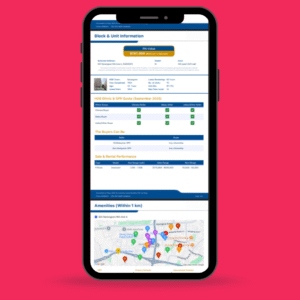
Find Out What Your Home Is Really Worth Today?
Get a data-driven property valuation in minutes, backed by the latest URA & HDB transactions and market trends. Whether you’re planning to sell, buy, or refinance, knowing your home’s true worth gives you the confidence to make smarter decisions.