When a loved one passes away, one of the first practical questions many families ask is surprisingly straightforward: Can we sell the property now? Whether it’s an HDB flat, a condominium, or a landed home, it’s common to assume that once the beneficiaries are known, the property can simply be put on the market.
In reality, that’s rarely how the process works. A deceased person’s property does not automatically become saleable the moment they pass away. Before any sale can take place, the estate must first establish who has the legal authority to act on behalf of the deceased. This involves completing important legal procedures, including obtaining a Grant of Probate or Letters of Administration, followed by the necessary property transmission process. Until these steps are completed, the executor or administrator generally cannot lawfully sell the property.
The good news is that the process is clear once you understand the sequence. Legal authority comes first. The property sale comes after. Missing or misunderstanding these steps can lead to unnecessary delays, legal complications, or problems with the transaction—particularly for HDB flats, where additional eligibility and Minimum Occupation Period (MOP) requirements may apply.
In this guide, we’ll explain what probate and property transmission actually mean, when an inherited property can legally be sold, how ownership structure affects the process, and the additional rules that apply to HDB flats in Singapore. By the end, you’ll have a clear roadmap of the legal steps involved and know exactly when the estate is in a position to proceed with a sale.
Can You Sell a Property Before Probate and Transmission?
For most inherited properties in Singapore, the answer is no. While beneficiaries may know who will eventually receive the property, that alone does not give anyone the legal right to sell it. The law requires the estate to be properly administered before a transaction can proceed.
This distinction is important because many families assume that inheritance automatically transfers the power to deal with the property. In reality, probate and property transmission are the legal bridge between the owner’s death and a lawful sale.
The Short Answer: Usually No
A property cannot usually be sold immediately after its owner passes away. Before any sale can take place, the estate must first appoint the person who has the legal authority to act on behalf of the deceased.
If the deceased left a valid will, the named executor generally applies for a Grant of Probate. If there is no will, an eligible person must apply for Letters of Administration to become the estate’s administrator. Only after this legal authority has been granted can the executor or administrator proceed with the necessary property transmission process before selling the property.
There are exceptions. For example, if the property was owned under a joint tenancy, the surviving owner may automatically become the sole owner through the right of survivorship. In those situations, the process may differ. However, for many estates—particularly where the property was owned as tenants-in-common—probate or administration is typically required before a sale can move forward.
Why Legal Authority Must Be Established First
Selling a property is a legally binding transaction. Buyers, banks, conveyancing lawyers, and government authorities all need assurance that the person signing the sale documents has the legal right to do so.
Without a Grant of Probate or Letters of Administration, no one has the recognised authority to represent the deceased’s estate. Even if every beneficiary agrees to the sale, that agreement alone does not replace the legal process.
Once the court grants the appropriate authority, the executor or administrator can manage the estate’s assets, complete the required transmission of ownership, settle outstanding obligations where necessary, and proceed with the sale in accordance with Singapore law.
The Difference Between Owning the Property and Having the Right to Sell It
One of the biggest sources of confusion is the difference between beneficial ownership and legal authority.
Beneficiaries may be entitled to inherit the property, but that does not mean they can immediately list it for sale or sign the transfer documents. Until the estate has completed the probate or administration process and the executor or administrator has completed the necessary transmission requirements, the property remains under the administration of the estate.
Think of it as a two-stage process. First, the law determines who is authorised to act. Second, that authorised person carries out the sale on behalf of the estate. Only when both stages have been completed can the transaction proceed smoothly and legally.
Understanding this distinction helps families avoid unnecessary delays, rejected transactions, and costly misunderstandings during what is already a challenging time.
What Are Probate and Property Transmission?
Probate and property transmission are often mentioned together because they form the legal foundation for dealing with a deceased person’s property. Although they are closely connected, they are not the same thing.
Think of probate as the document that gives someone the authority to act, while transmission is the legal process that allows the property’s ownership records to reflect that authority. In most cases, both steps must be completed before an inherited property can be sold.
What Is a Grant of Probate?
A Grant of Probate is a court-issued document that confirms the validity of a deceased person’s will and officially authorises the executor named in that will to administer the estate.
Once the Grant of Probate has been issued, the executor can carry out their responsibilities, which may include gathering the estate’s assets, settling outstanding debts, distributing inheritances to beneficiaries, and handling the sale of any property that forms part of the estate.
Without this legal authority, the executor cannot simply rely on being named in the will to deal with the property’s sale. The Grant of Probate is the formal proof that they are authorised to act on behalf of the estate.
What Are Letters of Administration?
Not every estate has a valid will. When someone dies without a will—or when no executor is able or willing to act—the estate is administered through Letters of Administration instead.
This court-issued document appoints an administrator to manage the estate. The administrator performs many of the same duties as an executor, including managing estate assets, paying liabilities, transferring property where necessary, and arranging the eventual sale of the property.
In other words, while the names of the documents differ, both the Grant of Probate and Letters of Administration serve the same essential purpose: they establish who has the legal authority to act for the deceased person’s estate.
What Does Property Transmission Mean?
Property transmission is the legal process of transferring the deceased owner’s interest in the property to the person legally authorised to deal with the estate or, where applicable, to the rightful beneficiary.
For HDB flats and many other properties, this process updates the ownership records to reflect the change following the owner’s death. It does not necessarily mean the property has been sold. Instead, it formally recognises who now has the legal capacity to manage, transfer, or dispose of the property.
This step is often overlooked because it happens behind the scenes, but it is one of the most important stages in estate administration.
Why Transmission Is Required Before a Sale Can Proceed
A property sale cannot be completed simply because the beneficiaries have agreed to sell. Before lawyers can prepare the sale documents and ownership can be transferred to a buyer, the estate must first establish a clear legal chain of authority.
Transmission achieves exactly that. It connects the deceased owner’s legal interest in the property with the executor or administrator who has been authorised to act. Without this link, there is no recognised legal basis for the sale.
For HDB flats, this requirement is particularly important. Once a Grant of Probate or Letters of Administration has been obtained, the executor or administrator is generally required to apply for the transmission of the flat within HDB’s prescribed timeline before proceeding with any sale. Additional conditions, such as the Minimum Occupation Period (MOP), may also need to be satisfied before the transaction can move forward.
Simply put, probate gives you the authority to act, while transmission gives you the legal ability to deal with the property. Together, they pave the way for a lawful and successful sale.
The Legal Steps Before You Can Sell an Inherited Property
Selling an inherited property isn’t a single event—it’s a legal process with a clear sequence. Skipping a step or trying to sell too early can delay the transaction and create unnecessary complications for the estate.
The good news is that the process is relatively straightforward once you understand the order. Here’s how it typically works in Singapore.
Step 1: Determine Whether There Is a Valid Will
The first question to answer is whether the deceased left behind a valid will.
If a will exists, it usually names an executor who has been chosen to administer the estate. The executor is responsible for carrying out the deceased’s wishes, managing the estate’s assets, and eventually distributing them to the beneficiaries.
If there is no valid will, the estate is considered intestate. In that situation, an eligible family member or other qualified person must apply to become the administrator of the estate. The administrator assumes many of the same responsibilities as an executor but is appointed by the court instead of being named by the deceased.
Establishing whether a valid will exists determines which legal process must be followed before the property can be sold.
Step 2: Obtain the Grant of Probate or Letters of Administration
Once the estate’s circumstances are clear, the next step is to obtain the legal authority to act.
Where there is a valid will, the executor applies for a Grant of Probate. If there is no will, the appointed administrator applies for Letters of Administration.
These court-issued documents are more than administrative paperwork—they formally authorise the executor or administrator to act on behalf of the deceased’s estate. Without them, banks, conveyancing lawyers, government agencies, and buyers generally cannot proceed with transactions involving the estate’s assets.
Only after this legal authority has been granted can the estate move forward with the remaining steps.
Step 3: Complete the Property Transmission Process
After obtaining the Grant of Probate or Letters of Administration, the next step is to complete the property’s transmission.
This process updates the property’s legal records to reflect that the executor or administrator is now authorised to deal with the property on behalf of the estate. Depending on the type of property and the circumstances, this may involve transferring the legal interest or registering the estate’s authority with the relevant authorities.
For HDB flats, this is a particularly important step. The executor or administrator is generally required to apply for transmission after receiving the Grant of Probate or Letters of Administration, and additional HDB requirements—such as the Minimum Occupation Period (MOP)—must also be considered before a sale can proceed.
Completing transmission creates the legal pathway that allows the property to move from the deceased owner’s estate to its eventual buyer.
Step 4: Sell the Property in the Estate’s Legal Capacity
Once the estate has legal authority and the necessary transmission process has been completed, the property can generally be placed on the market.
At this stage, the executor or administrator signs the sale documents in their official capacity as the legal representative of the estate—not as the property’s personal owner. They are responsible for ensuring the sale complies with all legal requirements and that the proceeds are dealt with according to the will or the rules governing intestate succession.
Before listing the property, it is also wise to obtain an independent property valuation. Knowing the property’s current market value helps the executor or administrator set realistic expectations, negotiate with confidence, and demonstrate that they have acted in the best interests of all beneficiaries.
Following these four steps in the correct order not only keeps the transaction legally compliant but also helps the estate avoid costly delays, disputes, and unnecessary stress during the sale process.
Does Property Ownership Type Affect When You Can Sell?
Yes—how the property was owned before the owner’s death can have a significant impact on when it can be sold and what legal steps are required.
Many people focus on whether there is a will, but the property’s ownership structure is just as important. In Singapore, the two most common forms of co-ownership are joint tenancy and tenancy-in-common. Although they may appear similar, they are treated very differently when one owner passes away.
Understanding which ownership arrangement applies can save the estate time, prevent unnecessary confusion, and ensure the correct legal process is followed from the outset.
Joint Tenancy and the Right of Survivorship
When a property is owned under a joint tenancy, each owner holds the property together as a single legal entity. One of the defining features of this arrangement is the right of survivorship.
This means that when one joint owner dies, their interest in the property automatically passes to the surviving joint owner. It does not become part of the deceased’s estate and is generally not distributed under the will.
As a result, probate may not be required for the transfer of that particular property interest. Once the necessary legal formalities have been completed to update the ownership records, the surviving owner can generally deal with the property as its sole legal owner.
While other assets in the estate may still require probate or administration, the jointly owned property follows a different legal pathway because ownership passes automatically through survivorship.
Tenancy-in-Common and Why Probate Is Usually Required
A tenancy-in-common works differently. Instead of owning the property jointly as one unit, each owner holds a separate share in the property.
When one owner dies, their share does not automatically pass to the surviving co-owner. Instead, it becomes part of the deceased’s estate and is distributed according to their will or, if there is no will, under Singapore’s intestacy laws.
Because the deceased’s share forms part of the estate, the executor or administrator must usually obtain a Grant of Probate or Letters of Administration before dealing with that share. The required transmission process must then be completed before the property—or the deceased’s interest in it—can be legally sold.
In most cases, this means the estate cannot simply list the property for sale immediately after the owner’s death, even if the beneficiaries have already agreed on what they want to do.
Why Knowing the Ownership Structure Matters
Before starting the probate process or making plans to sell, it’s worth confirming exactly how the property is owned.
The ownership structure determines whether the property passes automatically to a surviving owner or forms part of the deceased’s estate. That distinction affects the legal documents required, the timeline for administration, and the steps needed before a sale can proceed.
For executors, administrators, and beneficiaries, understanding this from the beginning helps avoid unnecessary delays and ensures the estate follows the correct legal process. If there is any uncertainty about the property’s ownership arrangement, it is best to clarify this early, as it can influence every stage of the property transmission and eventual sale.
Special Rules for Selling an Inherited HDB Flat
While the general probate process applies to many types of property, HDB flats have additional rules that executors, administrators, and beneficiaries need to be aware of. Completing probate alone does not automatically mean the flat can be sold.
HDB has its own requirements relating to property transmission, ownership eligibility, and the Minimum Occupation Period (MOP). Understanding these rules early can help prevent unexpected delays and ensure the sale proceeds smoothly.
Transmission Must Be Completed Within HDB’s Required Timeline
Once the executor has obtained the Grant of Probate, or the administrator has received the Letters of Administration, the next step is to apply for the transmission of the HDB flat.
Transmission formally records the change in legal authority following the owner’s death, allowing the executor or administrator to deal with the flat on behalf of the estate. This is a separate step from obtaining probate and is an important part of the estate administration process.
HDB requires the executor or administrator to apply for the transmission of the flat within six months of obtaining the Grant of Probate or Letters of Administration. Completing this requirement promptly helps ensure the estate remains compliant and avoids unnecessary delays in managing or selling the flat.
Meeting the Minimum Occupation Period (MOP)
Another key consideration is whether the deceased owner had already fulfilled the Minimum Occupation Period (MOP) before passing away.
If the MOP had been met, the executor or administrator can generally proceed with selling the flat once the necessary legal and administrative requirements have been completed.
However, if the deceased had not satisfied the MOP, the situation becomes more complicated. The flat cannot automatically be sold simply because ownership has passed through the estate. Instead, HDB’s policies will determine whether the sale can proceed or whether other arrangements are required.
This is why checking the flat’s MOP status should be one of the first steps during estate administration, particularly if the family’s intention is to sell the property.
When Special HDB Approval May Be Needed Before Selling
Not every inherited HDB flat is immediately eligible for sale.
Where the deceased owner had not completed the MOP, the executor or administrator may need to seek special approval from HDB before the flat can be sold. HDB will assess the circumstances and determine whether an exception should be granted under its prevailing policies.
This means the estate should never assume that probate alone gives an automatic right to sell an inherited HDB flat. Probate establishes the legal authority to act, while HDB’s housing rules determine whether the sale itself can proceed.
Because every estate is different, it is advisable to confirm the flat’s ownership status, MOP fulfilment, and any HDB-specific requirements before listing the property. Taking these steps early can reduce delays, minimise uncertainty, and help ensure the sale complies with both estate law and HDB regulations.
Common Misunderstandings About Selling an Inherited Property
When a property owner passes away, emotions often run high, and families are suddenly faced with legal and financial decisions they may never have encountered before. It’s no surprise that misconceptions about the process are common.
Many delays and complications arise not because the legal process is particularly difficult, but because people misunderstand when an inherited property can actually be sold. Here are three of the most common myths—and the reality behind them.
“The Family Automatically Owns the Property”
One of the biggest misconceptions is that the property immediately belongs to the family once the owner passes away.
While the beneficiaries may ultimately inherit the property, they do not automatically gain the legal right to deal with it. Until the estate has been properly administered, the property remains part of the deceased’s estate.
This means family members generally cannot list the property for sale, sign legal documents, or negotiate with buyers simply because they are the next of kin or named beneficiaries. The estate must first establish who is legally authorised to act before any decisions regarding the property can be carried out.
“The Executor Can Sell Immediately After Death”
Being named as the executor in a will is an important responsibility, but it does not give someone immediate authority to sell the property.
Before the executor can act, they must first obtain a Grant of Probate from the court. This document officially confirms their legal authority to administer the estate.
In many cases, the executor must also complete the necessary property transmission process before the property can legally be sold. For HDB flats, additional requirements—such as transmission and compliance with HDB regulations—must also be satisfied.
In short, an executor’s powers begin with legal recognition, not simply because they are named in the will.
“Probate Means the Property Can Be Sold Straight Away”
Obtaining a Grant of Probate is a major milestone, but it is not always the final step before a sale.
Probate gives the executor or administrator the authority to act on behalf of the estate. It does not automatically mean the property is immediately ready to be sold.
Depending on the property, further legal and administrative steps may still be required. These can include completing the transmission process, updating ownership records, satisfying outstanding estate obligations, or meeting additional conditions imposed by HDB, such as the Minimum Occupation Period (MOP).
A useful way to think about it is this: probate unlocks the process—it doesn’t complete it. Only after all the necessary legal requirements have been fulfilled can the executor or administrator proceed with the sale confidently and lawfully.
Understanding these distinctions helps families avoid costly mistakes and unnecessary delays. By following the correct legal process from the outset, the estate can move towards a smoother property transaction and a more efficient administration of the deceased’s assets.
Why Knowing the Property's Market Value Matters Before Selling
Once the estate has obtained the legal authority to sell, the next important question is often, “How much is the property actually worth?” While probate and property transmission determine when a property can be sold, a professional valuation helps determine how it should be sold.
Relying on online estimates, outdated transactions, or personal opinions can lead to unrealistic expectations. An accurate assessment of the property’s current market value allows executors and beneficiaries to make informed decisions based on market evidence rather than guesswork.
Helps Executors and Beneficiaries Make Better Decisions
Executors and administrators have a duty to act in the best interests of the estate. That includes making informed decisions when selling one of its most valuable assets.
A professional property valuation provides an objective view of what the property is worth in the current market. Instead of relying on asking prices or hearsay, the estate can make decisions using comparable sales, prevailing market conditions, and the property’s unique characteristics.
This information is invaluable when deciding whether to accept an offer, negotiate with buyers, or determine the right time to put the property on the market.
Supports Fair Distribution Among Beneficiaries
Property is often the largest asset in an estate, which means its value directly affects how beneficiaries receive their inheritance.
An independent valuation creates a common reference point that everyone can rely on. Whether the property will be sold and the proceeds divided, or one beneficiary intends to buy out the others, knowing the property’s fair market value promotes transparency and helps reduce the risk of disagreements.
When decisions are supported by objective evidence rather than personal opinions, beneficiaries are generally more confident that the estate is being administered fairly.
Provides Confidence Before Listing the Property
One of the biggest mistakes an estate can make is listing an inherited property without understanding its true market value.
Pricing the property too high may discourage serious buyers and result in a prolonged marketing period. Pricing it too low could mean the estate sells one of its most valuable assets for less than it is worth.
A professional valuation gives executors and beneficiaries the confidence to enter the market with realistic expectations. It provides a solid foundation for setting an appropriate asking price, negotiating from an informed position, and demonstrating that reasonable steps were taken to achieve a fair outcome for the estate.
Ultimately, while probate and property transmission make the sale legally possible, a reliable property valuation helps ensure the sale is financially sound. Together, they enable the estate to move forward with clarity, confidence, and the knowledge that important decisions are being made on the basis of both legal compliance and market reality.
Probate Comes Before the Property Sale
Managing an inherited property involves more than finding a buyer. Before a sale can legally take place, the estate must follow the correct legal process to establish authority, complete the necessary property transmission, and comply with any property-specific requirements. Taking these steps in the right order protects the estate, gives buyers confidence, and helps ensure the transaction proceeds without unnecessary delays.
Legal Authority Must Be Established Before Any Sale
The most important principle to remember is that a property cannot usually be sold simply because the owner has passed away. Whether the deceased left a will or not, someone must first be legally authorised to act on behalf of the estate.
That authority comes through a Grant of Probate or Letters of Administration. Without these court-issued documents, the executor or administrator generally cannot sign sale documents, complete legal formalities, or transfer ownership to a buyer.
Starting with the proper legal authority lays the foundation for every step that follows.
Transmission Is the Critical Step That Enables the Sale
Probate gives the executor or administrator the authority to manage the estate, but property transmission is what connects that authority to the property itself.
By completing the required transmission process, the estate establishes the legal basis to deal with the property in accordance with Singapore’s legal and administrative requirements. For HDB flats, this also means complying with HDB’s procedures and ensuring conditions such as the Minimum Occupation Period (MOP), where applicable, have been satisfied.
In simple terms, probate authorises the person, while transmission enables the property to be legally dealt with. Both are essential before a sale can proceed.
A Professional Property Valuation Helps the Estate Make Informed Decisions
Once the estate is legally able to sell, understanding the property’s true market value becomes the next crucial step.
A professional valuation provides an independent assessment based on current market conditions and comparable transactions, helping executors and beneficiaries make informed decisions about pricing, negotiations, and the eventual sale. It also supports transparency, particularly where multiple beneficiaries are involved, by providing an objective basis for important financial decisions.
Whether you’re an executor, administrator, or beneficiary managing an inherited HDB flat, condominium, or landed property, obtaining a professional property valuation can help you move forward with confidence. By understanding both the legal process and the property’s current market value, you’ll be better equipped to achieve a smooth, compliant, and well-informed sale.
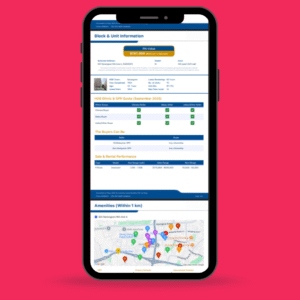
Find Out What Your Home Is Really Worth Today?
Get a data-driven property valuation in minutes, backed by the latest URA & HDB transactions and market trends. Whether you are planning to sell, buy, or refinance, knowing your homes true value gives you the confidence to make smarter decisions.