One of the biggest frustrations for property owners is watching their listing sit on the market while similar homes around them get snapped up. The natural question that follows is often uncomfortable: is the problem the property—or the price?
In reality, pricing is usually the single biggest factor influencing how quickly a property sells. Buyers may be willing to compromise on renovation condition, layout, or even location, but they rarely overlook a price they believe is too high. In today’s transparent property market, buyers can compare dozens of similar listings, review recent transaction data, and quickly identify when a seller’s expectations are out of line with market reality.
Many sellers fall into the trap of believing that starting high is a smart negotiating strategy. The logic seems reasonable: list above market value, then negotiate down later. The problem is that buyers often never get to the negotiation stage. When a property is priced significantly above comparable alternatives, many buyers simply skip it altogether and focus on homes they perceive as better value.
The market also reveals pricing mistakes much faster than most sellers expect. A lack of enquiries, few viewing requests, no offers after multiple showings, or repeated feedback about pricing are all signals that buyers may not agree with the asking price. While every property is unique, buyer behaviour tends to be remarkably consistent when a home is overpriced.
So how do you know if your property is priced too high?
The answer is surprisingly straightforward: buyers are not responding the way they are responding to similar properties. If comparable homes are attracting interest, generating offers, and selling while yours remains overlooked, the market may already be telling you something important. Understanding these warning signs early can help you adjust your strategy before valuable selling momentum is lost.
Why Overpricing Can Hurt Your Sale
Many sellers assume that pricing slightly above market value carries little risk. After all, if the property doesn’t sell, they can always reduce the price later. What often gets overlooked is that overpricing can create problems that become harder to fix as time passes. Instead of attracting more value, an inflated asking price can reduce buyer interest, prolong the selling process, and ultimately weaken your negotiating position.
Buyers Compare More Than Ever Before
Today’s buyers have access to more information than ever before. With a few clicks, they can compare similar properties, review recent transaction prices, study neighbourhood trends, and monitor how long listings have been on the market.
This means buyers are rarely evaluating your property in isolation. They are constantly asking a simple question: “What else can I buy for the same money?”
If a similar home nearby offers comparable space, condition, and location at a lower price, buyers will naturally gravitate toward the better-value option. Even if your property has attractive features, an asking price that sits noticeably above comparable alternatives can cause buyers to dismiss it before scheduling a viewing.
The Market Determines Value, Not the Seller
Every property owner has reasons for believing their home is worth more. Some have invested heavily in renovations. Others have strong emotional ties to the property or remember higher prices achieved during a stronger market cycle.
The challenge is that buyers do not purchase based on a seller’s personal expectations. They purchase based on market value.
Market value is ultimately determined by what willing buyers are prepared to pay at a particular point in time. If multiple buyers consistently reject a property’s asking price while similar homes continue to sell, the market is effectively delivering its verdict. No matter how much a seller hopes to achieve, the market—not the owner—has the final say.
Why the First Few Weeks Matter Most
The launch period of a property listing is often the most important stage of the entire sales process. When a home first enters the market, it attracts the greatest attention from active buyers who have been waiting for suitable opportunities.
A correctly priced property can generate enquiries, viewings, and offers during this critical window. An overpriced property, however, often misses that initial wave of interest.
As weeks turn into months, buyers begin to notice how long the property has been listed. Some may assume there is an issue with the home, while others wait for a future price reduction. What started as a pricing strategy can quickly become a visibility problem.
This is why overpricing rarely just delays a sale—it can actively reduce momentum. The longer a property sits without meaningful interest, the harder it becomes to recreate the excitement and competition that often drive strong selling outcomes.
Sign #1: Very Few Enquiries Are Coming In
What Low Enquiry Volume Usually Means
One of the earliest signs that a property may be overpriced is a lack of enquiries. When a listing is first launched, active buyers are typically quick to respond if the property appears competitively priced. If days or weeks pass with little interest, the market may already be signalling that the asking price is too ambitious.
Buyers often decide within seconds whether a property deserves further attention. If the price immediately feels out of line with similar options, many will simply move on without making contact.
When Marketing Is Not the Problem
Sellers sometimes assume weak interest is caused by poor marketing. While ineffective photos, limited exposure, or weak descriptions can certainly affect results, pricing is often the bigger issue.
A well-presented property in a desirable location should generate enquiries if buyers believe the price represents fair value. When visibility is high but enquiries remain low, the asking price deserves a closer look.
Sign #2: Buyers Are Viewing the Property but Not Making Offers
Interest Without Action Is a Warning Sign
Getting viewings is encouraging, but viewings alone do not sell homes. If buyers consistently visit the property and leave without making offers, it often indicates a mismatch between perceived value and asking price.
In many cases, buyers are interested enough to view the property but not convinced enough to compete for it.
Why Buyers May Like the Property but Reject the Price
A buyer can genuinely like a home and still decide against making an offer. They may appreciate the location, layout, or condition, but if they believe comparable homes offer better value, they will often walk away.
This is why repeated viewings without offers should not automatically be interpreted as a marketing success. Sometimes it is simply proof that buyers like the property more than they like the price.
Sign #3: Your Property Has Been on the Market Longer Than Similar Homes Understanding Days on Market
Understanding Days on Market
Every market has a rough expectation for how long properties typically take to sell. While timelines vary depending on location and property type, comparing your listing against similar homes can provide useful insight.
If comparable properties are selling within a reasonable timeframe while yours remains available, pricing may be contributing to the delay.
How Buyers React to Stale Listings
Buyers pay attention to how long a property has been listed. A home that lingers on the market often raises questions.
Some buyers assume there is a hidden issue. Others expect future price reductions and decide to wait. Over time, what began as an ambitious pricing strategy can reduce buyer confidence and weaken negotiating power.
Sign #4: Similar Properties Around You Are Selling Faster
Why Buyers Choose Comparable Homes Instead
Property buyers rarely make decisions in isolation. They compare multiple homes before committing to one.
If similar properties in the same neighbourhood are attracting offers and selling while yours remains unsold, buyers may be finding stronger value elsewhere. Even a relatively small pricing difference can influence purchasing decisions when alternatives are readily available.
What Recent Transactions Reveal
Recent transactions provide some of the clearest evidence of market value. They show what buyers have actually been willing to pay rather than what sellers hope to achieve.
If comparable homes are consistently selling below your asking price, it may indicate that your expectations are no longer aligned with current market conditions.
Sign #5: Buyers and Agents Keep Mentioning the Price
Why Consistent Feedback Should Not Be Ignored
Feedback from buyers and agents can be one of the most valuable sources of information during a sale.
An isolated comment may not mean much. However, when multiple viewers independently raise concerns about pricing, a pattern begins to emerge. Repeated observations often reveal what the market genuinely thinks about the property’s value.
Separating Emotional Reactions from Market Reality
For many owners, their property represents years of memories, effort, and financial investment. That emotional connection can make objective pricing difficult.
The market, however, evaluates homes differently. Buyers focus on value, alternatives, and affordability. Successful sellers learn to separate personal attachment from market evidence.
Sign #6: Your Asking Price Is Higher Than Recent Sold Transactions
Why Sold Prices Matter More Than Active Listings
One of the most common pricing mistakes is using current listings as the primary benchmark.
Active listings only show what sellers are asking. Sold transactions show what buyers were actually willing to pay. The latter is generally a far more reliable indicator of market value.
The Risk of Pricing Based on Competing Listings
If several nearby properties are listed at ambitious prices, it can create the illusion that your home should be worth the same.
The problem is that unsold listings may be experiencing the exact same pricing issue. Following other sellers’ expectations instead of actual transaction data can result in a price that is disconnected from market demand.
Sign #7: Price Reductions Still Are Not Generating Offers
What Multiple Price Cuts Usually Signal
Reducing the asking price can be an effective strategy when a property has been sitting on the market. However, if multiple reductions fail to generate meaningful interest, it may suggest the original pricing was significantly above market expectations.
Repeated adjustments can also make buyers wonder why the property has struggled to sell.
Why Small Adjustments Sometimes Fail
Not every price reduction changes buyer perception. If the revised figure still sits above what comparable properties are selling for, buyers may continue to overlook the listing.
Sometimes a meaningful correction is required before the market begins to respond.
Sign #8: You're Pricing Based on Renovation Costs
The Difference Between Cost and Market Value
Many homeowners understandably want to recover money spent on renovations and improvements. However, renovation costs and market value are not the same thing.
Just because a renovation cost a certain amount does not automatically mean buyers will pay that amount on top of the property’s existing value.
Why Buyers Do Not Pay Dollar-for-Dollar for Renovations
Buyers generally focus on the overall package rather than the exact cost of improvements. Features that one owner values highly may not matter as much to the next buyer.
While quality upgrades can certainly improve appeal and support stronger pricing, they rarely translate into a dollar-for-dollar increase in resale value.
Sign #9: You Believe Your Property Deserves a Premium Because It Is Unique
Emotional Attachment vs Market Demand
Nearly every property has characteristics that make it feel special to its owner. A unique view, customised design, or personal renovation project may create strong emotional value.
The challenge is that emotional value does not always translate into market value.
When Unique Features Actually Add Value
Unique features can justify a premium when buyers actively want them and are willing to pay for them.
The key question is not whether the property is different, but whether the market sees that difference as valuable. If buyers are unwilling to pay extra, uniqueness alone cannot support a higher asking price.
Sign #10: Your Price Is Based on Outdated Market Information
Why Older Valuations May No Longer Be Accurate
Property markets are constantly evolving. A valuation, appraisal, or pricing estimate from months or years ago may no longer reflect current conditions.
Relying on outdated information can result in a listing price that feels disconnected from today’s buyer expectations.
How Changing Market Conditions Affect Value
Interest rates, economic conditions, housing supply, buyer sentiment, and transaction volumes can all influence property values over time.
A price that was realistic during a stronger market may become difficult to achieve when conditions change. This is why pricing decisions should always be based on the most current market evidence available rather than historical expectations.
What Buyers Actually Look At When Deciding Value
Many sellers assume buyers evaluate a property based on how attractive it looks or how much money has been invested into it. While presentation certainly matters, most buyers approach pricing far more analytically than sellers realise.
Before making an offer, buyers typically compare multiple properties, study recent transactions, and assess whether the asking price makes sense relative to the wider market. Understanding how buyers determine value can help sellers avoid one of the most common mistakes in real estate—pricing based on personal expectations instead of market evidence.
Recent Comparable Sales
The first thing many serious buyers look at is recent comparable sales.
These transactions provide real-world proof of what similar properties have actually sold for, making them one of the strongest indicators of market value. Buyers often compare factors such as property type, floor area, age, condition, and location to determine whether an asking price is justified.
This is why sold transactions usually carry more weight than advertised prices. Sellers can ask for any amount they want, but completed sales reveal what buyers were genuinely willing to pay.
Similar Properties in the Same Location
Location remains one of the most important drivers of property value. Buyers naturally compare a home against other similar options in the same estate, neighbourhood, or development.
If two properties offer comparable features but one is priced noticeably higher, buyers will want a clear reason for the difference. Without a meaningful advantage—such as a superior view, larger layout, better condition, or unique attributes—the lower-priced property often becomes the more attractive choice.
In many cases, buyers are not asking whether a property is good. They are asking whether it represents better value than the alternatives available today.
Days on Market
Buyers also pay close attention to how long a property has been listed.
A newly launched listing often creates excitement because buyers know competition may be strong. However, when a property remains available long after similar homes have sold, questions begin to emerge.
Some buyers assume the seller’s expectations are unrealistic. Others believe there may be hidden issues with the property. Even when neither assumption is true, a long time on the market can affect buyer perception and reduce urgency.
This is why days on market is often viewed as an indirect indicator of whether a property is priced appropriately.
Seller Pricing History
Many buyers review a property’s pricing history before deciding whether to make an offer.
A listing that has undergone several reductions can reveal valuable clues about seller expectations and market response. Buyers may interpret multiple price cuts as evidence that the original asking price was unrealistic.
At the same time, a history of repeated reductions can encourage some buyers to wait longer, expecting further adjustments in the future.
For sellers, this highlights an important lesson: getting the price right from the beginning is often more effective than chasing the market downward through a series of gradual reductions.
Ultimately, buyers do not determine value based on a seller’s opinion. They look at comparable sales, competing properties, market activity, and pricing history to decide whether a home is worth pursuing. The closer your asking price aligns with those market realities, the greater the chance of attracting serious interest and competitive offers.
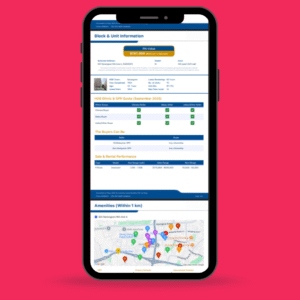
Find Out What Your Home Is Really Worth Today?
Get a data-driven property valuation in minutes, backed by the latest URA & HDB transactions and market trends. Whether youu2019re planning to sell, buy, or refinance, knowing your homeu2019s true worth gives you the confidence to make smarter decisions.