
Inheriting a property often raises one immediate question: Can I sell it straight away, or do I need to wait until transmission is completed? For many beneficiaries, the answer isn’t always obvious. While you may be named in a will or entitled to inherit under Singapore’s succession laws, that doesn’t automatically give you the legal authority to sell the property.
The timing matters because inherited properties must go through a legal estate administration process before ownership rights can be properly dealt with. Whether the deceased left a will or not, steps such as obtaining the Grant of Probate or Letters of Administration and completing the transmission process are essential before the property can usually be sold. Attempting to sell too early can lead to unnecessary delays, legal complications, or even an invalid transaction.
The short answer is no—in most situations, you cannot legally complete the sale of an inherited property before transmission has been completed. Until then, the property remains under the deceased’s name, and the person entitled to inherit it is not yet recognised as having the legal authority to dispose of it.
In this guide, we’ll explain what transmission means, why it is a crucial step in the inheritance process, when an inherited property can legally be sold, and the special rules that apply to inherited HDB flats in Singapore. By understanding the process, you’ll be better equipped to make informed decisions and avoid costly mistakes during estate administration.
Can You Sell an Inherited Property Before Transmission?
The Short Answer: Usually No
In most cases, you cannot legally sell an inherited property before transmission has been completed. Although you may be entitled to inherit the property, legal ownership and the authority to deal with it have not yet been formally established through the estate administration process.
When someone passes away, the property does not automatically become the beneficiary’s to sell. Instead, it remains part of the deceased’s estate until the executor named in the will—or the administrator appointed by the court if there is no will—obtains the necessary legal authority and completes the transmission process. Only then can the property be transferred, retained by an eligible beneficiary, or sold in accordance with Singapore’s legal requirements.
This distinction is important because inheriting a property and having the legal power to dispose of it are two different things. Until the proper legal steps have been completed, a beneficiary cannot enter into a valid sale simply because they expect to inherit the property.
Why Transmission Must Happen First
Transmission is the legal process that transfers the authority to deal with a deceased person’s property from the estate to the executor or administrator. Before this happens, the property’s ownership remains registered under the deceased’s name, even if everyone agrees on who the eventual beneficiary will be.
Completing the transmission process ensures there is a legally recognised person who can act on behalf of the estate. This protects all parties involved, including beneficiaries, buyers, lenders and government authorities, by ensuring that any sale is carried out by someone with the proper legal authority.
It’s also important to understand the difference between being a beneficiary and having the legal authority to sell. A beneficiary is the person who is entitled to receive the property or its proceeds under a will or the rules of intestacy. The legal authority to manage and dispose of the property, however, rests with the executor or administrator after the appropriate legal documents have been obtained and transmission has been completed. Until that authority exists, the property generally cannot be legally sold.
What Is Property Transmission?
What Transmission Means in Singapore
Property transmission is the legal process of transferring the authority to deal with a deceased person’s property during estate administration. It does not mean the property has been bought or sold. Instead, it formally recognises the executor or administrator as the person legally authorised to manage the property on behalf of the deceased’s estate.
Before transmission is completed, the property remains registered under the deceased owner’s name. Once the necessary legal documents—such as the Grant of Probate or Letters of Administration—have been obtained, the transmission process updates the legal records to reflect who has the authority to act for the estate. This allows the executor or administrator to carry out tasks such as transferring the property to an eligible beneficiary or selling it if appropriate.
In simple terms, transmission bridges the gap between the owner’s death and the lawful administration of the property. Without it, there is no recognised legal party who can deal with the property on behalf of the estate.
Who Has the Legal Right to Handle the Property?
The person with legal authority depends on whether the deceased left a valid will.
If there is a will, the executor named in the will is responsible for administering the estate. After obtaining the Grant of Probate and completing the necessary legal procedures, the executor has the authority to manage the deceased’s assets, settle outstanding liabilities, and distribute the estate according to the wishes set out in the will.
If there is no will, the court appoints an administrator to perform a similar role. After obtaining the Letters of Administration, the administrator manages the estate in accordance with Singapore’s intestacy laws, ensuring that assets are distributed to the rightful beneficiaries.
Whether acting as an executor or administrator, their responsibilities typically include identifying the estate’s assets, paying debts and taxes where applicable, completing the transmission process, and deciding whether the property should be transferred to an eligible beneficiary or sold in accordance with the law.
Why Transmission Protects Everyone Involved
Transmission is more than an administrative formality—it provides legal certainty for everyone involved in the transaction. By ensuring that only an authorised executor or administrator can deal with the property, the process helps prevent disputes over ownership and reduces the risk of unauthorised sales.
For buyers, transmission provides confidence that the person selling the property has the legal right to do so, reducing the likelihood of complications after the purchase. For beneficiaries, it ensures the estate is administered fairly and in accordance with the law or the deceased’s wishes. For the estate itself, it creates a clear legal framework that protects its assets while they are being managed and distributed.
Ultimately, transmission safeguards the interests of all parties by ensuring that every decision involving the inherited property is made by someone with the proper legal authority.
When Can an Inherited Property Actually Be Sold?
The exact timing depends on the circumstances of the estate, but in general, an inherited property can only be sold after the necessary legal authority has been obtained, the transmission process has been completed, and any applicable property rules have been satisfied. Skipping any of these steps can delay the sale or create legal complications for both the estate and the buyer.
After Grant of Probate or Letters of Administration
The first step is obtaining the legal authority to administer the estate.
If the deceased left a valid will, the executor must obtain a Grant of Probate. If there is no will, the appointed administrator must apply for Letters of Administration. These court-issued documents confirm who has the legal authority to act on behalf of the deceased’s estate.
Without these documents, no one has the recognised legal power to manage, transfer or sell the property. Even if all beneficiaries agree that the property should be sold, the sale cannot proceed until the executor or administrator has been formally authorised to act.
After Transmission Has Been Completed
Obtaining the Grant of Probate or Letters of Administration is only part of the process. The next step is completing the transmission of the property.
Transmission updates the legal records to reflect that the executor or administrator has the authority to deal with the property on behalf of the estate. Until this registration has been completed, the property remains recorded under the deceased owner’s name.
This legal registration is essential because buyers, financial institutions and conveyancing lawyers need certainty that the person signing the sale documents has the lawful authority to do so. Completing transmission ensures the transaction can proceed with clear legal ownership records and reduces the risk of disputes after the sale.
Once All Relevant Property Rules Have Been Met
Even after the legal paperwork has been completed, the property must still satisfy any applicable eligibility requirements before it can be sold.
For inherited HDB flats, this may include meeting the Minimum Occupation Period (MOP) requirements or obtaining approval from HDB where necessary. Depending on the circumstances, there may also be rules governing whether the property should first be transferred to an eligible beneficiary instead of being sold.
The executor or administrator should also ensure that any outstanding legal or administrative matters affecting the estate have been addressed before completing the transaction. By satisfying both the legal estate administration requirements and the relevant property regulations, the sale can proceed smoothly and with greater certainty for everyone involved.
Special Rules for Selling an Inherited HDB Flat
Inherited HDB flats are subject to additional regulations that do not apply to most private residential properties. Even after the executor or administrator has obtained the legal authority to act and completed the transmission process, the flat must still comply with HDB’s eligibility rules before it can be sold.
One of the most important considerations is whether the deceased owner had fulfilled the Minimum Occupation Period (MOP) before passing away. This can significantly affect whether the flat can be sold immediately or whether further approval from HDB is required.
If the Minimum Occupation Period (MOP) Has Already Been Fulfilled
If the deceased owner had already met the Minimum Occupation Period at the time of death, the executor or administrator can generally proceed with the sale of the inherited HDB flat, provided all other legal and administrative requirements have been satisfied.
This means the estate has completed the necessary probate or administration process, transmission has been registered, and there are no other outstanding restrictions preventing the sale. In many cases, meeting the MOP allows the estate to dispose of the flat without needing special approval relating to the occupation requirement.
However, the sale must still be carried out by the person who has the legal authority to administer the estate—not by the beneficiary directly unless ownership has been lawfully transferred.
If the MOP Has Not Been Met
If the deceased owner had not fulfilled the Minimum Occupation Period before passing away, the situation becomes more complex.
Inheritance does not automatically exempt an HDB flat from the MOP rules. Instead, the executor or administrator may need to seek approval from HDB before the property can be sold. HDB will assess the circumstances of the estate and determine whether the sale can proceed based on its prevailing policies.
This is why it is important not to assume that an inherited flat can always be sold immediately. While the property has changed hands through inheritance, it remains subject to the same public housing policies that govern HDB ownership and resale.
When No Beneficiary Is Eligible to Take Over the Flat
In some estates, none of the beneficiaries may be eligible to retain ownership of the inherited HDB flat under HDB’s eligibility rules. When this happens, the executor or administrator is generally required to dispose of the flat rather than transfer it to a beneficiary.
Once the transmission process has been completed, HDB generally requires the flat to be disposed of within 12 months if there is no eligible person who can take over ownership. This timeframe allows the estate to complete the necessary arrangements while ensuring the flat continues to comply with HDB’s housing policies.
Because every estate has its own circumstances, executors and administrators should confirm the applicable HDB requirements before making decisions about the property’s future. Understanding these rules early can help avoid unnecessary delays and ensure the estate is administered smoothly.
What Is the Process for Selling an Inherited Property?
Selling an inherited property is not a single event but a legal process that involves several important steps. While the exact requirements may differ depending on whether the property is an HDB flat or private property, the overall sequence remains broadly the same. Completing each stage in the correct order helps ensure the sale can proceed smoothly and in compliance with Singapore’s legal requirements.
Step 1: Obtain the Grant of Probate or Letters of Administration
The first step is to establish who has the legal authority to manage the deceased’s estate.
If the deceased left a valid will, the named executor must apply for a Grant of Probate. If there is no will, an eligible person must apply to the court for Letters of Administration to become the estate’s administrator.
These legal documents are essential because they formally authorise the executor or administrator to act on behalf of the estate. Without them, no one has the legal authority to deal with the inherited property, including transferring or selling it.
Step 2: Complete the Property Transmission
Once the legal authority has been obtained, the next step is to complete the property transmission.
Transmission updates the property’s legal records to recognise the executor or administrator as the person authorised to manage the property on behalf of the estate. Until this process has been completed, the property remains registered under the deceased owner’s name, meaning it generally cannot be legally sold.
This step creates the legal bridge between estate administration and any future transfer or sale of the property.
Step 3: Confirm Eligibility to Sell or Transfer the Property
Before placing the property on the market, the executor or administrator should confirm whether the property can be transferred to a beneficiary or sold.
For private properties, this is generally a straightforward process once the legal requirements have been fulfilled. For HDB flats, however, additional eligibility rules may apply. These can include the Minimum Occupation Period (MOP), HDB ownership policies, or other conditions that determine whether the flat can be retained by a beneficiary or must be sold.
Confirming these requirements early helps prevent unexpected delays and ensures the estate complies with the relevant regulations before proceeding with the transaction.
Step 4: Proceed With the Property Sale
Once all legal authority has been established, transmission has been completed, and the property’s eligibility has been confirmed, the executor or administrator can proceed with the sale.
At this stage, the property can be marketed, offers can be negotiated, and the conveyancing process can begin. As with any property transaction, it is important to understand the property’s current market value before accepting an offer.
Obtaining an independent property valuation can help the executor or administrator determine a fair selling price, fulfil their fiduciary responsibilities to the beneficiaries, and support informed decision-making throughout the sale process.
Common Misunderstandings About Selling an Inherited Property
The process of inheriting and selling a property can be confusing, especially for beneficiaries who have never dealt with estate administration before. Many people assume that inheriting a property automatically gives them the right to sell it, but that is not how the legal process works in Singapore. Understanding the distinction between inheritance, transmission and legal authority can help prevent costly mistakes and unnecessary delays.
Being a Beneficiary Does Not Mean You Can Sell Immediately
One of the most common misconceptions is that once you are named as a beneficiary in a will—or become entitled to inherit under the rules of intestacy—you can immediately put the property on the market.
In reality, being entitled to inherit a property is not the same as having the legal authority to sell it. Until the executor or administrator has obtained the necessary legal documents and completed the transmission process, the property remains part of the deceased’s estate.
Even if every beneficiary agrees that the property should be sold, the sale generally cannot proceed until the proper legal procedures have been completed. This ensures the transaction is legally valid and protects everyone involved.
Transmission Is Different From Inheriting the Property
Another misunderstanding is treating transmission and inheritance as though they are the same thing.
Inheritance determines who is entitled to receive the property or its value, while transmission is the legal process that authorises the executor or administrator to deal with that property on behalf of the estate. Although the two are closely connected, they serve very different purposes.
Think of inheritance as establishing who should ultimately benefit, while transmission establishes who can legally act before those benefits are distributed. Without transmission, there is no recognised legal authority to transfer or sell the property, regardless of who the beneficiaries are.
Executors and Beneficiaries Have Different Legal Roles
Executors and beneficiaries are often the same person, but legally they perform different roles.
An executor or administrator has a fiduciary duty to administer the estate in accordance with the law. This includes gathering the deceased’s assets, settling outstanding liabilities, completing the transmission process, and distributing or selling the property where appropriate. Every decision must be made in the best interests of the estate and all beneficiaries.
A beneficiary, on the other hand, is the person entitled to receive the property or a share of its proceeds. Unless the beneficiary is also acting as the executor or administrator with the necessary legal authority, they cannot independently decide to sell the inherited property.
Understanding this distinction helps explain why the estate administration process must be completed before any sale can legally take place. It also reduces confusion among family members and ensures the property is dealt with in a fair, transparent and legally compliant manner.
Why a Professional Property Valuation Is Important Before Selling
Once an inherited property is legally ready to be sold, one of the most important decisions is determining the right asking price. While online property portals and automated valuation tools can provide rough estimates, they cannot account for the unique characteristics of the property or current market conditions. A professional property valuation provides an independent assessment of market value, helping executors and beneficiaries make informed decisions with greater confidence.
Understand the Property’s Current Market Value
Property values can change significantly over time due to market trends, location, property condition and buyer demand. Relying on outdated purchase prices, informal opinions or online estimates may result in the property being priced too high or too low.
A professional valuation considers recent comparable sales, the property’s physical attributes, tenure, location and prevailing market conditions to arrive at an objective market value. This gives the estate a realistic understanding of what the property is worth in today’s market and provides a stronger foundation for pricing and negotiations.
Help Executors Fulfil Their Duties Fairly
Executors and administrators have a legal responsibility to act in the best interests of the estate and all beneficiaries. One of those responsibilities is ensuring that estate assets are managed and, where appropriate, sold at a fair market value.
An independent property valuation helps demonstrate that pricing decisions are based on objective market evidence rather than personal opinion. This can reduce the likelihood of disagreements among beneficiaries, provide greater transparency throughout the sale process, and give the executor confidence that they have exercised reasonable care in fulfilling their duties.
Where multiple beneficiaries are involved, having an impartial valuation can also help build consensus by providing a trusted reference point for discussions about the property’s value.
Support Better Decisions Before Listing the Property
A professional valuation is valuable even before the property is placed on the market. It enables the executor or administrator to evaluate different options, such as whether selling immediately is the most appropriate course of action, whether minor improvements may increase the property’s value, or whether holding the property for a period better aligns with the estate’s objectives.
It also helps set a realistic asking price that reflects actual market conditions rather than expectations. Overpricing can discourage potential buyers and prolong the sale, while underpricing may reduce the value ultimately realised for the estate.
By understanding the property’s true market value from the outset, executors, administrators and beneficiaries can make better-informed decisions throughout the sale process and maximise the likelihood of achieving a fair outcome for everyone involved.
Transmission Comes Before the Sale
If you’re wondering whether you can sell an inherited property before transmission, the answer is usually no. Before any sale can take place, the executor or administrator must first obtain the legal authority to administer the estate and complete the transmission process. Only then can they legally transfer or sell the property on behalf of the estate.
Understanding this distinction helps avoid unnecessary delays, legal complications and misunderstandings among beneficiaries. Following the correct sequence from the beginning ensures the transaction is valid and protects everyone involved.
Every Estate Should Follow the Correct Legal Process
Although every estate is different, the legal framework exists to ensure inherited properties are dealt with fairly, transparently and in accordance with Singapore’s laws. From obtaining the Grant of Probate or Letters of Administration to completing transmission and complying with any HDB or property-specific requirements, each step plays an important role in protecting both the estate and its beneficiaries.
Rushing the process or assuming a beneficiary can immediately sell the property often leads to avoidable complications. Taking the time to understand the legal requirements can make the entire estate administration process far smoother.
Knowing the Property’s Value Helps You Make Better Estate Decisions
Whether the inherited property will eventually be sold, transferred to a beneficiary or retained as an investment, understanding its current market value is an important part of making informed decisions.
A professional property valuation provides an independent assessment of the property’s worth, helping executors fulfil their responsibilities, giving beneficiaries greater confidence, and supporting fair outcomes throughout the estate administration process.
If you’ve inherited a property and are preparing for probate, transmission or an eventual sale, CKS Property can provide an independent and professional valuation to help you understand its true market value. Whether you’re an executor, administrator or beneficiary, our experienced valuers deliver reliable advice that gives you greater clarity and confidence before making important estate decisions. Contact us today to arrange a professional property valuation tailored to your needs.
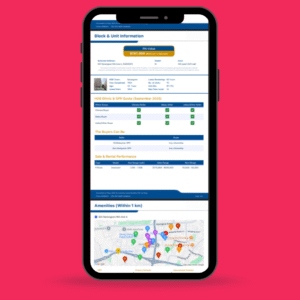
Find Out What Your Home Is Really Worth Today?
Get a data-driven property valuation in minutes, backed by the latest URA & HDB transactions and market trends. Whether you are planning to sell, buy, or refinance, knowing your homes true value gives you the confidence to make smarter decisions.