
Selling a home in Singapore isn’t just a transaction — it’s a multi-layered financial, logistical and regulatory dance. Every step, from checking your eligibility to handing over the keys, is governed by rules that can either smooth your path or derail your plans if you overlook them. Whether you’re letting go of an HDB flat or a private condo, the process is structured, time-sensitive and unforgiving to guesswork.
Before you even think about crafting a listing or scheduling the first viewing, you need a clear grasp of the essentials: your eligibility to sell, your financial position, the condition and presentation of your home, the right pricing strategy, the paperwork required, and the timelines that dictate each milestone. Get these foundations right, and everything that follows becomes easier — from attracting serious buyers to negotiating confidently to completing the sale without unnecessary stress.
Clarify Eligibility, Rules & Timelines
Before any marketing, pricing, or viewing plans come into play, you need to make sure you’re legally allowed to sell — and that every step you take aligns with Singapore’s housing regulations.
For HDB Sellers
Start with the basics: confirm your Minimum Occupation Period (MOP) on the HDB Resale Portal. If you’ve met it, your next mandatory step is registering the Intent to Sell. This single action unlocks critical information instantly:
your EIP/SPR quota status (which affects who can buy your flat),
any upgrading cost billing tied to your unit, and
recent transacted prices in your block and neighbourhood.
The Intent to Sell is valid for 12 months — and without it, you cannot issue an OTP.
For Private Property Sellers
Private homeowners should run through the regulatory side early too. That means checking:
URA and CEA guidelines,
the rules surrounding property advertising,
and compliance obligations, especially if you’re planning a DIY sale.
CEA’s checklists help ensure you don’t inadvertently misrepresent your property or violate marketing regulations — mistakes that can lead to penalties and disputes.
Why This Step Matters
Clarifying eligibility and rules upfront prevents the worst-case scenarios: delays, disqualification, or even issuing an invalid OTP — a costly mistake that can collapse a deal before it begins. Laying this groundwork sets the tone for a smooth, legally sound sale from day one.
Work Out Your Financials & CPF Position
Before you price your home or plan your next move, you need a crystal-clear picture of your true financial position. Selling a property in Singapore triggers several moving parts — from loan redemption to CPF refunds — and miscalculations here can derail both your sale and your next purchase.
Start with the Basics: What Will You Actually Walk Away With?
Your expected sale proceeds aren’t just the selling price minus your outstanding loan. You’ll need to factor in:
your outstanding mortgage,
the CPF principal + accrued interest that must be refunded to your CPF account,
legal fees,
plus any early redemption penalties (from banks or HDB, depending on your loan).
Only after accounting for all of these will you know your true cash proceeds.
For HDB Sellers
HDB’s Resale Portal and financial calculators make it easier to estimate your net proceeds and simulate how the funds will flow during completion. This clarity is essential when deciding whether to:
sell first,
buy first, or
attempt a carefully timed concurrent transaction.
Your choice affects mortgage sequencing, eligibility for bridging loans, and whether you have enough CPF and cash to secure your next home.
For Private Property Sellers
Private homeowners should examine their mortgage terms early. Pay attention to:
lock-in periods,
prepayment penalties,
redemption notice windows,
and whether SSD (Seller’s Stamp Duty) applies if you’re selling within the holding period.
These factors influence both your net proceeds and the timeline you can realistically commit to.
Why Financial Planning Matters
Your financial position determines everything that follows — timelines, cash flow, negotiation power, and your next-home strategy. Sellers who understand their numbers upfront avoid rushed decisions, unrealistic pricing, and the nightmare scenario of securing a buyer before realising they can’t afford their next home.
Decide Your Selling Strategy & Choose Representation
Once you’ve clarified your eligibility and finances, the next big decision is how you want to sell — and how you want to choreograph the entire move. The right strategy can save you money, reduce stress, and prevent costly missteps.
DIY vs Hiring an Agent
Some homeowners prefer the DIY route, leveraging CEA’s consumer guides, checklists, and advertising rules to manage the process themselves. This gives you full control and saves on commission — but it demands time, precision, and comfort with regulations.
Most sellers still opt to hire a property agent, and if you do:
verify the agent on the CEA Public Register,
assess their track record with your property type,
discuss marketing plans, staging support, and viewings,
confirm fees, exclusivity terms, and expectations upfront.
A skilled agent can be the difference between a fast, clean sale and a drawn-out process.
Choose Your Sequence Wisely: Sell First, Buy First, or Both Together
This is the strategic heart of the entire transaction. Your sequence will determine your cash flow, loan eligibility, and how much logistical pressure you face.
Sell first: Safer financially; you know your exact proceeds. But may leave you temporarily without a home.
Buy first: Gives certainty on your next home; riskier if your sale takes longer or if cash flow is tight.
Concurrent buy-sell: Popular among experienced sellers, but requires tight coordination of OTPs, loan approvals, and completion dates.
Factor in ABSD, Timelines & Bridging Needs
Your sequence also affects potential ABSD exposure, especially if you’re buying before selling. Some sellers coordinate the exercise of OTPs on both ends with their agent and conveyancing lawyer to reduce or avoid ABSD altogether.
Your refinancing or bridging loan needs will also be shaped by these decisions.
Why Coordination Matters
A smooth transaction is rarely an accident. Clear communication between your agent, bank, and conveyancing lawyer ensures timelines align, paperwork is accurate, and risks — especially the risk of being stuck between homes — are minimised. This is where a well-chosen strategy pays off.
Prepare & Present the Property
Before your listing goes live, your home needs to look its absolute best. In Singapore’s digital-first property market, buyers judge your unit long before they ever step inside — which means presentation isn’t optional; it’s strategic.
Start With the Universal Essentials
Every property, HDB or private, benefits from the same foundational prep:
Declutter to create space and flow
Repair minor defects like peeling paint, flickering lights, or loose handles
Clean thoroughly — spotless kitchens and bathrooms are non-negotiable
Use neutral décor to appeal to the widest audience
Consider basic staging to highlight key spaces and help buyers visualise living there
These steps may seem small, but together they elevate your home’s appeal dramatically.
The Power of Professional Photos
Your listing’s first impression lives online. Crisp, well-lit, professionally taken photos make your home stand out, increase listing engagement, and attract more qualified buyers. A polished visual narrative can boost perceived value — and the number of viewings you receive — within days.
HDB-Specific Compliance Checks
If you’re selling an HDB flat, make sure no unauthorised renovations or alterations exist. Illegal works must be rectified before completion, and failing to do so can delay or derail your sale. Ensuring everything is HDB-compliant protects both you and your buyer.
Why Presentation Matters
Homes that look neglected or cluttered tend to sit on the market longer and attract lower offers. Buyers mentally discount the price when they see defects, worn finishes, or poor cleanliness. Strong presentation, on the other hand, creates confidence — and confident buyers make stronger, quicker offers.
Research Market Value & Set the Right Asking Price
Before you hit “List Property,” you need a price strategy that’s rooted in reality—not wishful thinking. This is where data, market awareness, and a bit of tactical psychology come together.
For HDB Sellers
Start with the hard numbers: official resale prices, HDB Map Services, and neighbourhood statistics. These give you the actual transacted prices, not inflated asking figures. Then factor in the modern wild card—COV (Cash Over Valuation). Because buyers now rely on HDB’s valuation after securing an OTP, mispricing your unit could push buyers into unwanted cash top-ups, shrinking your viable pool. Understanding how your flat compares (storey height, renovation, remaining lease, orientation, block attributes) lets you anchor your price more credibly.
For Private Sellers
Your goldmine is the trio of URA caveats, bank valuations, and real-world comparable listings. Caveats reflect genuine transactions; bank valuations tell you what financiers think; comparable listings reveal your competition. Stitch these together to estimate a defensible value range. For unique units—penthouse, ground-floor patio, unblocked views—you’ll need to adjust for premiums buyers are willing to pay.
The Danger of Overpricing
An overpriced home doesn’t just sit; it stales. Once a listing gathers too many days on the market, buyers assume something’s wrong. Enquiries drop. Negotiation leverage evaporates. You’ll end up reducing your price anyway—and often for less than if you had positioned it correctly from the start.
Balancing Negotiation Room & Market Realism
You want some cushion for offers, but the window is narrow. A smart strategy: set a price that’s aligned with recent sales yet leaves a small buffer for negotiation. This signals confidence, attracts serious buyers early, and keeps your timeline tight. Your goal isn’t to chase the highest possible starting price—it’s to maximise your net outcome by aligning price, demand, and speed.
Price strategically now, and the rest of the journey—from viewings to offers—becomes far smoother.
Get Paperwork, Professionals & Compliance Ready
Before you even start marketing your home, you need to have all the right documents and professional support lined up. In Singapore, a smooth sale isn’t just about finding a buyer—it’s about being legally and administratively ready.
Prepare Core Documents
At a minimum, gather:
Proof of ownership
NRIC/FIN
Latest property tax bills
Loan statements and mortgage details
Having these ready not only speeds up negotiations but also signals to buyers and agents that you’re organised and serious.
HDB-Specific Requirements
For HDB flats, ensure you have all particulars ready for the resale application, including details for any temporary extension of stay if needed. Missing or incomplete documents at this stage can stall the entire resale process, so double-check everything against HDB’s official requirements.
Engage a Conveyancing Lawyer Early
A competent lawyer is indispensable. They will:
Draft and review the Option to Purchase (OTP)
Prepare the Sale & Purchase Agreement (SPA)
Handle completion monies and ensure funds are properly transferred
Ensure full regulatory compliance at every stage
Why Early Legal Prep Matters
Sorting legal and compliance matters upfront prevents last-minute disputes and delays. A well-prepared seller avoids costly errors, maintains credibility with buyers, and keeps the transaction timeline on track. In Singapore’s structured property market, early legal preparation is not optional—it’s essential.
Manage Viewings, Negotiation & the OTP Process
Once your home is ready and listed, the spotlight shifts to viewings, negotiations, and the critical OTP stage. This is where preparation meets execution — and where attention to detail directly affects your sale’s outcome.
Keep Your Property Show-Ready
Maintain a tidy, decluttered, and welcoming environment for every viewing. Track genuine buyer interest carefully and be ready to adjust your pricing strategy if the market response suggests your asking price is too high or too low. First impressions matter, both online and in person.
Understand OTP Terms for HDB vs Private Property
The Option to Purchase (OTP) is the contractual pivot in every sale, but its rules differ by property type:
HDB Sellers: You can only grant an OTP after registering the Intent to Sell. Once exercised by the buyer, both parties submit their portions of the resale application through the HDB Resale Portal. Compliance with prescribed fees and timelines is mandatory.
Private Property Sellers: The OTP is issued with an agreed option fee. Once the buyer exercises the OTP by paying the exercise fee, both parties become contractually bound under the terms specified in the agreement.
Why Timelines and Fees Matter
Every OTP comes with strict validity periods, payment schedules, and prescribed fees. Missing these deadlines can void the option, trigger penalties, or even collapse a sale. Observing timelines meticulously ensures a smooth negotiation, strengthens buyer confidence, and keeps your transaction on track.
Plan Move-Out, Completion & Post-Sale Logistics
As the sale nears completion, the focus shifts from negotiations to wrapping up your obligations and transitioning smoothly. Proper planning here ensures that both you and the buyer can move forward without hiccups.
Settle Outstanding Bills
Clear all remaining payments tied to the property, including:
Property tax
Service and conservancy charges (for HDB)
Utilities up to the completion date
This prevents disputes and keeps the transaction clean.
HDB Sellers
You must vacate the flat by the completion date, unless a temporary extension of stay has been formally approved. Leaving the unit in order is essential to comply with HDB rules and avoid penalties.
Private Property Sellers
Prepare for a seamless handover:
Return all keys, access devices, and car park decals
Provide any necessary manuals or instructions
Update your correspondence address with banks, agencies, and service providers
Why a Clean Handover Matters
A thorough and orderly handover protects both parties. It ensures the buyer receives the property as agreed, prevents post-sale disputes, and legally closes your responsibilities tied to the home. In short: a smooth exit is as important as a smooth sale.
Selling a home in Singapore is far more than listing a property—it’s a strategic exercise in preparation, planning, and precision. From understanding regulatory requirements and clarifying your financial position, to setting the right price, presenting your property effectively, and coordinating legal and logistical details, every step matters.
A well-prepared sale doesn’t just happen by chance. By following a structured approach, you maximize your pricing potential, minimize disputes, and ensure a smoother, less stressful transition to your next home. Skipping steps or overlooking details can cost time, money, and peace of mind.
Whether you choose to navigate the process yourself or work with experienced agents and lawyers, the key takeaway is clear: plan thoroughly, act deliberately, and leverage professional guidance when needed. That’s how you turn a complex, high-stakes transaction into a confident, successful move.
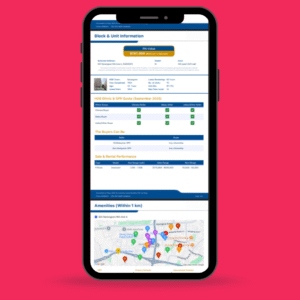
Find Out What Your Home Is Really Worth Today?
Get a data-driven property valuation in minutes, backed by the latest URA & HDB transactions and market trends. Whether you’re planning to sell, buy, or refinance, knowing your home’s true worth gives you the confidence to make smarter decisions.