
For many HDB owners, there comes a point when the question starts quietly—and then gets louder every year.
“Should I sell now before lease decay gets worse?”
It usually begins after hearing stories from neighbours. Someone says older flats are becoming harder to sell. Another mentions buyers cannot use full CPF anymore. Then comes the familiar warning: “If you wait too long, nobody will want your flat.”
Suddenly, what felt like a stable home starts to feel like a countdown clock.
This is where many sellers make the wrong move—not because they sell, but because they sell out of fear instead of strategy.
Lease decay is real, but it is also widely misunderstood. Many homeowners assume that once a flat gets older, its value automatically collapses. That is not how the market works. A 30-year-old flat in a prime mature estate can outperform a much newer flat in a weaker location. A large executive flat can still attract strong demand even with a shorter lease. Age alone is rarely the full story.
The real issue is buyer demand—and more importantly, buyer financing power.
As your flat’s remaining lease gets shorter, buyers face stricter loan limits, reduced Loan-to-Value (LTV) flexibility, and CPF usage restrictions. HDB loan repayment periods are capped based on remaining lease, buyer age, and financing rules. If the remaining lease cannot comfortably support a buyer’s financing needs, your pool of eligible buyers starts shrinking.
And when the buyer pool shrinks, pricing pressure begins.
That is when lease decay stops being a theory and starts affecting your resale value.
So the smarter question is not “Is my flat too old?”
It is:
“Am I reaching the point where financing friction is starting to hurt buyer demand?”
Because that is usually the moment when selling earlier starts making financial sense.
This guide will help you understand exactly when that tipping point happens—and whether selling now is strategy, or just unnecessary panic.
What Lease Decay Actually Means for Your HDB Flat
Lease Decay Is About Marketability, Not Just Lease Expiry
When most homeowners hear the term “lease decay,” they imagine one thing: their flat running out of time.
Technically, that is true—every HDB flat is on a 99-year lease, and every year that passes means one less year remaining.
But in the resale market, lease decay is not really about the final expiry date.
It is about marketability.
A flat does not suddenly lose value because it turns 40 or 50 years old. What changes is how easily buyers can purchase it—and how confident they feel doing so.
The shorter the remaining lease, the more questions buyers start asking:
Can I still get enough loan?
Can I use my CPF fully?
Will this flat be easy to sell again later?
Am I overpaying for something with a shorter runway?
That hesitation matters more than the number itself.
Because property value is not determined by age alone. It is determined by demand. And demand weakens when buyers start seeing more financial friction than future upside.
That is lease decay in practical terms.
Not just a shorter lease—but a smaller, more cautious buyer pool.
Why Buyers Start Getting Nervous as Lease Shortens
Buyers do not just purchase a home—they purchase flexibility.
They want options. Financing options. Exit options. Upgrade options.
When a flat gets older, those options start narrowing.
A younger buyer may worry whether the flat will still be attractive when they want to sell in 10 or 15 years. A family buyer may wonder if bank financing will become harder later. An upgrader may ask whether putting too much cash into an aging flat limits their next move.
This is where emotional hesitation becomes pricing pressure.
Even if your unit is beautiful, buyers are still calculating future risk.
And once buyers start comparing your older flat against a newer nearby option with stronger financing support, the negotiation changes.
You are no longer competing on renovation or location alone.
You are competing against certainty.
That is why older flats often face slower negotiations, stronger price resistance, and a smaller serious-buyer pool—even before formal financing restrictions fully kick in.
How HDB Loan Rules Make Older Flats Harder to Finance
This is where lease decay becomes more than perception.
It becomes math.
HDB states that loan repayment periods are capped by whichever is shorter:
- 25 years
- 65 years minus the average age of applicants
- Remaining lease minus 20 years
This means as your flat ages, buyers may no longer qualify for the same loan tenure they expected.
A shorter loan tenure means higher monthly repayments.
Higher monthly repayments mean fewer eligible buyers.
On top of that, if the remaining lease does not cover the youngest buyer up to age 95, the Loan-to-Value (LTV) limit may also be pro-rated. In simple terms: buyers may need to pay more cash upfront.
That is where many resale deals quietly fall apart.
Not because buyers dislike the flat—but because financing becomes uncomfortable.
And once financing gets uncomfortable, your bargaining power weakens.
That is usually the point where lease decay starts affecting actual resale value, not just market perception.
Why CPF Usage Restrictions Affect Buyer Demand Too
CPF is one of the biggest drivers of HDB affordability.
When buyers cannot fully use CPF for your flat, resistance rises fast.
For older flats with shorter remaining leases, CPF usage may be restricted depending on whether the lease can cover the youngest buyer to age 95. If it does not, buyers may need to top up the difference with more cash.
And in Singapore’s property market, cash changes everything.
A buyer who was comfortable using mostly CPF may suddenly need tens of thousands more upfront. That instantly removes many genuine buyers from the market.
This is why sellers often say:
“I still get enquiries—but serious offers are weaker.”
The issue is rarely demand alone.
It is affordability.
Once buyers need more cash, fewer people can move forward confidently.
That is why lease decay should never be viewed as just a number on paper.
It is a financing issue first—and a pricing issue right after.
When Selling Earlier Makes Financial Sense
When Your Remaining Lease Starts Shrinking Your Buyer Pool
There is usually a point where lease decay stops being a background concern and starts becoming a resale problem.
That point is not defined by a birthday for your flat—it is defined by buyer behaviour.
When buyers begin struggling to finance your unit comfortably, your buyer pool starts shrinking.
Some buyers are priced out because loan tenures become shorter. Others walk away because CPF usage becomes less flexible. Many simply choose newer flats nearby because they feel safer long term.
This does not mean your flat suddenly becomes undesirable.
It means fewer people can realistically buy it.
And in resale property, fewer buyers almost always means weaker pricing power.
Selling earlier often makes sense when your flat is still comfortably financeable and attractive to a wider group of buyers. Once financing friction becomes the first question every buyer asks, the market has already started shifting against you.
The best time to sell is often just before that shift becomes obvious.
When Loan and LTV Restrictions Begin Affecting Offers
One of the clearest warning signs is when financing starts shaping offers more than the property itself.
Buyers may like your unit. They may even want it badly.
But if they need a shorter loan tenure or a larger cash downpayment because of remaining lease limitations, their offer naturally becomes more conservative.
This is where sellers get frustrated.
They think buyers are lowballing.
In reality, buyers are adjusting to financing limits.
If the remaining lease does not comfortably support HDB loan rules or causes the Loan-to-Value (LTV) limit to be reduced, buyers are forced to protect themselves financially. They either offer less—or they walk away entirely.
That is why some sellers wait too long and then wonder why viewings remain high but serious offers disappear.
The market is telling them something.
The flat is still attractive, but the financing structure is no longer easy.
And once offers start being controlled by loan restrictions instead of market demand, selling earlier would usually have delivered a better outcome.
When Your Flat Still Has Strong Demand You Can Capture
Selling early is not just about avoiding downside.
It is also about capturing strength while it still exists.
If your flat is in a mature estate, near an MRT, close to schools, or part of a highly sought-after neighbourhood, demand may remain strong even as the lease shortens.
Larger units like executive flats, maisonettes, or rare layouts can also attract consistent buyer interest because supply is limited.
This creates a valuable window.
Your flat still has enough financing support to remain widely attractive, while location and scarcity help protect pricing.
That is often the sweet spot.
Waiting too long can turn that strength into missed opportunity.
Because once financing restrictions become dominant, even a strong location cannot fully compensate for reduced affordability.
Smart sellers do not wait for demand to weaken.
They sell while demand is still strong enough to give them choices.
Why Waiting Too Long Can Mean Lower Negotiating Power
Many owners delay selling because they believe one more year will not make much difference.
Sometimes that is true.
Often, it is expensive.
The problem is not just price decline—it is negotiating power.
When your flat is easier to finance, buyers compete.
When your flat becomes harder to finance, buyers negotiate harder.
They know fewer people can buy the unit. They know sellers may be under pressure. They know every financing challenge becomes leverage.
That is when sellers start hearing things like:
“We love the flat, but because of the lease…”
And suddenly, every conversation becomes a discount conversation.
This is why trying to chase the “perfect peak” can backfire.
You may hold out for slightly better market prices, only to lose far more through a weaker buyer pool and reduced negotiation strength.
In many cases, the smartest move is not selling at the highest theoretical price.
It is selling while you still control the conversation.
When You May Not Need to Rush to Sell
Good Location Can Delay the Impact of Lease Decay
Lease decay matters—but location still wins arguments.
A well-located HDB flat can remain highly desirable even when the remaining lease starts getting shorter. Buyers are often willing to compromise on lease length if the lifestyle value is strong enough.
Think about flats near MRT stations, major transport nodes, top schools, hawker centres, business hubs, or popular mature estates. Convenience creates demand, and demand protects value.
A 30- or 40-year-old flat in a prime mature estate can sometimes outperform a newer flat in a less connected location simply because buyers are paying for access, not just age.
This is especially true for owner-occupiers who prioritise daily convenience over long-term speculation.
They are not asking, “How old is this flat?”
They are asking, “Can I see myself living here for the next 15 years?”
If the answer is yes, lease decay becomes less frightening.
That is why some older flats continue moving quickly while newer ones struggle.
Because buyers buy lifestyle first, and lease second.
Larger and Rarer Flat Types Often Stay Attractive Longer
Not all flats age the same way.
Larger and rarer flat types often hold buyer interest much longer because supply is limited and alternatives are hard to find.
Executive flats, maisonettes, jumbo flats, and spacious older five-room units often fall into this category. Many newer launches simply do not offer the same square footage, layout flexibility, or living space.
For families upgrading from smaller units, size can outweigh lease concerns.
They may accept a shorter lease if it means getting a home that actually fits their lifestyle.
This creates a different resale dynamic.
Instead of competing with every nearby listing, your flat may be competing in a much smaller category where demand remains steady.
Scarcity matters.
If buyers cannot easily replace what your flat offers, they become less focused on the lease and more focused on securing the opportunity.
That gives sellers more breathing room—and often, better pricing resilience.
Mature Estates and MRT Access Can Protect Resale Value
Mature estates behave differently.
Places like established HDB towns with strong amenities, trusted schools, transport links, and community familiarity tend to retain demand even when flats get older.
Why?
Because buyers are not just buying a unit.
They are buying into an ecosystem.
Parents want school access. Elderly buyers want healthcare and familiar surroundings. Working professionals want MRT convenience. Upgraders want stability in an area they already know.
This emotional and practical demand creates price support.
A flat five minutes from the MRT in a mature estate often feels safer to buyers than a newer flat that requires longer commutes and weaker surrounding infrastructure.
That does not eliminate lease decay.
But it slows its impact.
The market becomes more forgiving when the location solves real-life problems.
And in property, solving real-life problems usually matters more than theoretical concerns.
Why Selling Without a Clear Next Move Can Backfire
Sometimes the biggest mistake is not waiting too long.
It is selling too fast without a plan.
Many owners panic when they hear about lease decay and rush to list their flat without thinking through what comes next. They focus so much on “getting out early” that they forget selling is only half the equation.
Where will you move next?
Can you comfortably afford your next purchase?
Will upgrading now increase your financial stress?
Are you prepared for replacement costs, stamp duties, renovation, and temporary housing if timelines do not align?
Selling early only makes sense if it improves your overall position.
A rushed sale without a strong next step can create more problems than lease decay ever would.
This is especially true for owners who still have strong demand for their current flat and no urgent reason to move.
Property decisions should be driven by strategy, not anxiety.
Because selling the right flat at the wrong time can be just as costly as holding the wrong one for too long.
Sometimes the smartest move is not to sell now.
It is to prepare properly so that when you do sell, you do it from strength.
The 5 Factors That Should Decide Your Timing
Remaining Lease and Mortgage Eligibility
This is the first filter—and often the most important one.
Before asking whether you should sell, ask whether buyers can still buy your flat easily.
As the remaining lease shortens, financing becomes tighter. HDB loan repayment periods are capped based on the shorter of 25 years, 65 years minus the applicants’ average age, or the remaining lease minus 20 years. That means older flats can force buyers into shorter loan tenures and higher monthly repayments.
If the lease also does not cover the youngest buyer up to age 95, the Loan-to-Value (LTV) limit may be reduced, which means buyers may need to prepare more cash upfront.
This changes everything.
A flat that is still easy to finance attracts a broad buyer pool. A flat with financing friction attracts hesitation.
That is why timing matters.
Selling before mortgage eligibility becomes the main obstacle usually gives you stronger pricing power than waiting until every buyer starts asking the same question:
“Can I even finance this comfortably?”
Flat Type and Unit Scarcity
Not all HDB flats age at the same speed.
Some flats become harder to sell because they are easy to replace.
Others stay valuable because buyers simply cannot find similar alternatives.
Executive flats, jumbo units, maisonettes, and older large five-room layouts often hold stronger demand because newer launches rarely offer the same size or flexibility. Families upgrading from smaller homes may prioritise space over lease length.
Scarcity creates resilience.
If your flat belongs to a category that buyers actively search for—and supply is limited—you may have more room to hold rather than rush.
But if your unit is a more common type in an area with heavy competition, waiting may weaken your position faster.
The question is not just “How old is my flat?”
It is also:
“How replaceable is what I own?”
Because the harder it is to replace, the stronger your timing advantage.
Location, Amenities, and Estate Demand
Location can buy you time.
A flat in a mature estate, near MRT access, schools, food centres, parks, and daily conveniences often holds stronger demand even with a shorter remaining lease.
Why?
Because buyers are paying for life efficiency.
They are buying shorter commutes, better schools, family convenience, and long-term familiarity. That lifestyle value often softens concerns about lease decay.
A well-located older flat can outperform a newer flat in a weaker location simply because demand is stronger where people actually want to live.
This is why some sellers panic unnecessarily.
They focus only on lease age while ignoring the fact that buyers are still lining up for location.
If your flat solves real problems for real buyers, lease decay matters less.
Not irrelevant—but less powerful.
And that changes your urgency completely.
Your Next Housing Plan and Upgrade Timeline
Selling is not just about exiting.
It is about what comes after.
Many owners obsess over the “best time” to sell but forget that timing only makes sense when connected to a clear next move.
Are you upgrading to private property?
Right-sizing for retirement?
Moving closer to parents?
Releasing cash for retirement planning?
Funding your children’s future housing plans?
Your next housing decision should shape your selling timeline—not the other way around.
If selling now improves your long-term financial position, earlier may be smart.
If selling now creates unnecessary stress, higher debt, or poor replacement choices, waiting may be the better move.
The goal is not simply to avoid lease decay.
The goal is to improve your overall position.
Because selling a flat well means nothing if you buy the next one badly.
Whether Lease Buyback Scheme or VERS May Matter
Not every older-flat owner needs to think only about resale.
Sometimes the better strategy is understanding what government schemes may offer instead.
The Lease Buyback Scheme allows eligible seniors to sell part of their remaining lease back to HDB while continuing to live in the flat. For some homeowners, especially those focused on retirement income rather than moving, this can be more practical than selling outright.
Then there is VERS—the Voluntary Early Redevelopment Scheme—which is often misunderstood.
Many owners assume waiting for VERS will create a major payout.
That assumption can be dangerous.
VERS is not guaranteed for every estate, and there is no certainty on timing, eligibility, or compensation outcomes. Waiting purely based on VERS speculation is usually a weak strategy.
Hope is not a housing plan.
If Lease Buyback helps your retirement goals, it deserves serious consideration.
If you are holding only because of VERS expectations, you may need a much stronger reason.
Because timing decisions should be based on what exists now—not what might happen decades later.
Common Mistakes Sellers Make When They Wait Too Long
Assuming “A Few More Years” Won’t Change Much
This is probably the most common mistake—and the most expensive one.
Many HDB owners look at their flat and think, “It’s only another two or three years. Surely that won’t make much difference.”
On paper, that sounds reasonable.
In reality, those few years can quietly shift how buyers view your flat.
Lease decay is rarely dramatic. It does not hit like a sudden crash. It works slowly—through smaller buyer pools, stricter financing, softer offers, and longer negotiation periods.
You may not notice the change immediately because enquiries still come in.
But the quality of those enquiries changes.
Buyers become more cautious. Negotiations become tougher. Offers become more conditional.
That is where sellers get caught off guard.
They assume the market sees their flat the same way it did three years ago.
It usually does not.
The danger is not just price decline.
It is losing the flexibility to choose when and how you sell.
Because once the market starts treating your flat differently, recovering that leverage becomes much harder.
Pricing Based on Hope Instead of Buyer Financing Reality
Many sellers price their flat based on what they want—not what buyers can actually finance.
That gap creates months of frustration.
They look at nearby transactions, hear what neighbours sold for, and assume their unit should command the same number. But if their flat now faces tighter loan restrictions or CPF limitations, the buyer’s financial reality is very different.
A buyer may love your flat and still be unable to match your asking price.
Not because they are negotiating aggressively.
Because they literally cannot finance it comfortably.
This is where sellers mistake financial limits for “lowballing.”
And the longer the flat sits unsold, the weaker the seller’s position becomes.
Pricing should never be based on emotional attachment or historical expectations.
It should be based on what today’s buyers can realistically execute.
The market does not reward hope.
It rewards financeable deals.
Ignoring CPF and Loan Restrictions Buyers Face
Some sellers focus only on their own proceeds and forget to study the buyer’s side of the equation.
That is a costly blind spot.
Older flats often come with tighter HDB loan rules, shorter repayment periods, reduced Loan-to-Value (LTV) limits, and CPF usage restrictions. If buyers need significantly more cash upfront, many simply cannot proceed.
This is especially painful because sellers often misread the situation.
They think demand is weak.
Actually, affordability is weak.
There may be genuine interest—but fewer buyers who can cross the finish line.
This is why understanding financing rules is not optional.
It is part of pricing strategy.
If you ignore what buyers are allowed to borrow, you are effectively pricing your flat for people who do not exist.
And that leads to one of the worst outcomes in resale:
high interest, low conversion.
Waiting for the “Perfect Peak” That Never Comes
Some sellers are not waiting because they need to.
They are waiting because they are chasing a perfect number.
They want one more year of appreciation. One more better offer. One more “peak” before they list.
The problem is that property peaks are only obvious after they pass.
By the time the market confirms the peak, your negotiating power may already be weaker.
This is especially risky for older HDB flats, where lease decay continues regardless of broader market optimism.
Even if market prices rise slightly, buyer resistance may rise faster.
That means your theoretical price ceiling may improve while your practical selling power declines.
And that is a bad trade.
Smart sellers do not try to sell at the highest possible number.
They try to sell when demand is strongest and execution is easiest.
Because the best sale is not the one with the highest asking price.
It is the one that closes smoothly, on strong terms, before the market starts negotiating against you.
A Simple Rule of Thumb: When Selling Earlier Is Safer
If Your Flat Is Still Liquid and Financeable, You Have Options
The best time to sell is usually when you still have choices—not when the market starts making the decision for you.
If your flat is still easy to finance, attracts regular serious buyers, and remains competitive against nearby listings, you are in a strong position.
That means buyers can still secure comfortable loan tenures, CPF usage is not becoming a major obstacle, and your unit is viewed as an opportunity rather than a compromise.
This is what liquidity looks like.
Not just enquiries—but confidence.
Buyers are willing to act because the transaction feels straightforward.
And when buyers feel confident, sellers gain leverage.
You can negotiate better. You can choose stronger offers. You can plan your next move without pressure.
This is the ideal window.
Because once your flat becomes difficult to finance, the conversation changes from “How much is this worth?” to “How much trouble is this worth?”
That is a much harder position to sell from.
If your flat is still liquid and financeable, you have time.
And time is negotiating power.
If Buyers Are Disappearing Faster Than Value Is Growing, Sell Earlier
Here is the simplest rule most sellers should remember:
Watch the buyer pool, not just the price chart.
Many owners focus only on whether HDB prices are rising. They assume that if the market is still strong, waiting must be the smarter move.
But lease decay does not care about headlines.
What matters is whether your specific flat is becoming harder to sell.
If each passing year reduces the number of buyers who can finance your unit faster than market appreciation improves your price, the balance has already shifted.
That is when selling earlier becomes safer.
Because even if prices look stable on paper, shrinking demand creates hidden weakness.
Fewer eligible buyers means fewer competitive offers.
Fewer competitive offers means weaker negotiating power.
And weaker negotiating power often costs more than small market gains can recover.
The goal is not to sell at the highest possible market point.
It is to sell before buyer resistance becomes your biggest discount.
That is the real tipping point.
The Moment Lease Decay Starts Controlling the Conversation
There is a moment every older-flat seller should pay attention to.
It happens during viewings.
Buyers stop asking about renovation potential.
They stop asking about schools, sunlight, and layout.
Instead, every serious conversation starts with the same concern:
“How many years are left on the lease?”
That is the warning sign.
When lease decay becomes the first question instead of the final detail, it is no longer a background issue.
It is controlling the sale.
At that point, every negotiation starts with a disadvantage.
Buyers use lease length to justify lower offers. Agents frame it as a pricing issue. Financing becomes the centre of every discussion.
And once that happens, recovering premium pricing becomes much harder.
This does not mean you must panic-sell.
But it does mean the market is telling you something.
Your flat is no longer being judged primarily on its strengths.
It is being judged on its limitations.
That is often the clearest sign that selling earlier would have been safer—and waiting longer may only make the decision more expensive.
What Smart HDB Sellers Should Do Next
Check How Your Remaining Lease Affects Buyer Financing
Before you decide whether to sell, understand how easy—or difficult—it is for buyers to finance your flat.
This is where many sellers make the biggest mistake: they look only at asking prices and ignore financing reality.
Start by checking your remaining lease and asking a simple question:
Can buyers still comfortably use CPF and secure strong loan support for this unit?
If the answer is yes, you still have strong leverage.
If buyers face shorter loan tenures, reduced Loan-to-Value (LTV) limits, or higher cash requirements, your pricing strategy needs to reflect that.
Because buyers do not purchase based on market headlines.
They purchase based on affordability.
Knowing where your flat stands today helps you avoid two costly mistakes: holding too long or pricing unrealistically.
The smartest sellers do not guess.
They calculate.
Review Recent HDB Transactions Before Setting Expectations
Your neighbour’s asking price is not market proof.
What matters is what buyers have actually paid.
Before listing, review recent HDB resale transactions for flats similar to yours—same block cluster, similar floor level, comparable layout, and close lease age where possible.
This gives you a much clearer picture of how the market is treating your type of unit right now.
Not last year.
Not during the peak.
Now.
Pay attention to patterns, not just the highest number.
Are older nearby flats still moving well?
Are buyers paying premiums for renovated units?
Are larger units outperforming smaller ones?
Are certain blocks getting stronger demand because of MRT access or school proximity?
This is where smart pricing begins.
Because realistic expectations protect you from emotional pricing—and emotional pricing is one of the fastest ways to lose negotiating power.
Understand Your Exit Strategy Before Listing
Selling your HDB is not the strategy.
It is only the first step of the strategy.
The real question is:
What happens after you sell?
Are you upgrading to a condo?
Buying another resale flat?
Right-sizing for retirement?
Moving for family reasons?
Unlocking cash for long-term financial planning?
Your next move determines whether selling now actually makes sense.
If selling improves your position—financially and practically—then timing earlier may be smart.
If selling creates unnecessary pressure, poor replacement choices, or higher debt exposure, rushing may be the wrong move.
Too many sellers focus on escaping lease decay without planning the next chapter.
That is how people sell well and buy badly.
And that is not a win.
Smart sellers think beyond the transaction.
They plan the full journey.
Get a Proper Market-Based Valuation Before Deciding
Before making a major decision, remove guesswork.
A proper market-based valuation helps you understand where your flat actually stands—not where you hope it stands.
This is especially important for older HDB flats, where lease decay, financing restrictions, location strength, and buyer demand all interact differently.
Two similar-looking flats can perform very differently depending on lease balance, floor level, facing, condition, and nearby transaction history.
That is why online estimates alone are not enough.
You need a realistic valuation grounded in market behaviour.
Not optimism.
Not fear.
Facts.
Because sometimes the result confirms you should sell earlier.
Sometimes it shows you still have time.
Either way, clarity beats speculation.
And in property, the best decisions are almost always made before the listing—not after the first disappointing offer arrives.
FAQ About Selling Before Lease Decay Gets Worse
Is there a “best age” to sell an HDB flat?
There is no universal “best age” that applies to every HDB flat.
Instead of focusing on age, experienced sellers look at marketability signals: remaining lease strength, buyer demand, and financing ease.
A flat can be 35 years old and still sell strongly if it is well-located and easy to finance. Another 25-year-old flat can struggle if it faces weaker demand or tighter loan eligibility.
The better question is not “How old is too old?”
It is:
“At what point does my buyer pool start shrinking?”
That is usually the real trigger for timing decisions.
Will my flat automatically lose value after 60 years?
No—there is no automatic price collapse at a specific age threshold like 60 years.
What happens instead is gradual: financing becomes tighter, buyer confidence weakens, and the eligible buyer pool narrows.
HDB loan rules, CPF usage conditions, and remaining lease requirements affect how easily buyers can commit to a purchase, especially for flats with shorter remaining tenure.
So while value does not “drop suddenly,” resale dynamics do change over time.
The impact depends heavily on location, flat type, and demand—not just age.
Can older HDB flats still sell well?
Yes—many older flats continue to sell well, especially in strong locations.
Flats near MRT stations, schools, mature amenities, and established estates often maintain steady demand even as they age. Larger or rare unit types can also attract buyers despite shorter leases.
What changes over time is not whether they can sell, but how easily they sell.
Older flats may require more negotiation flexibility, stronger pricing strategy, or better presentation to attract serious buyers.
In short: age does not kill demand—it reshapes it.
Should I wait for VERS before deciding to sell?
Waiting for VERS is generally not a reliable strategy on its own.
While the Voluntary Early Redevelopment Scheme (VERS) is intended to address ageing estates in the future, there is no guaranteed timeline, eligibility list, or fixed compensation structure for all flats.
That uncertainty makes it risky to base major financial decisions solely on it.
For most homeowners, it is safer to make decisions based on current market conditions—demand, financing ability, and personal housing plans—rather than waiting for a scheme that may take decades to materialise.
VERS can be a consideration, but it should not replace a clear exit or selling strategy.
Don’t Sell Because of Fear—Sell Because of Strategy
At the end of the day, lease decay is not a sudden event—it is a slow shift in how the market views your flat.
And that distinction matters.
Too many homeowners make decisions reactively, driven by headlines, hearsay, or the fear of “missing the peak.” But property decisions that are driven by fear usually lead to poor timing: either selling too early without maximising value, or holding too long until buyer demand weakens.
The smarter approach is simpler—and calmer.
Lease Decay Is a Planning Issue, Not a Panic Issue
Lease decay should be treated like any other long-term planning factor in property ownership.
It affects financing, buyer psychology, and resale demand over time—but it does not erase value overnight.
Some flats age gracefully due to strong location, scarcity, and consistent demand. Others feel the impact earlier because financing becomes restrictive or buyer pools shrink faster.
That is why the right mindset is not urgency—it is awareness.
Once you understand how lease length affects your specific flat, you can plan your exit strategically instead of emotionally.
The goal is not to avoid ageing property.
The goal is to stay ahead of how the market responds to it.
The Best Time to Sell Is When Buyers Still Have Strong Reasons to Buy
The strongest selling position is not when prices peak—it is when buyers still feel confident saying yes.
That happens when:
- Financing is still comfortable
- CPF usage is still flexible
- Loan tenure is still reasonable
- And the flat still feels like a “safe buy,” not a compromise
Once those conditions start weakening, every negotiation becomes harder.
Not because your flat suddenly loses appeal—but because buyers begin factoring in risk more heavily than opportunity.
That is the subtle tipping point most sellers miss.
So the real strategy is simple:
Don’t wait for the market to tell you your flat is aging.
Sell when buyers are still eager enough—and financially comfortable enough—to compete for it.
Because in property, timing is rarely about guessing the peak.
It is about recognising when demand is still on your side.
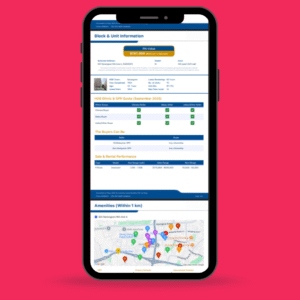
Find Out What Your Home Is Really Worth Today?
Get a data-driven property valuation in minutes, backed by the latest URA & HDB transactions and market trends. Whether youu2019re planning to sell, buy, or refinance, knowing your homeu2019s true worth gives you the confidence to make smarter decisions.