

Selling an HDB Is Not as Simple as It Looks
For many Singaporeans, selling an HDB flat feels deceptively straightforward. You list the unit, find a buyer, sign some forms, collect the cheque, move on. Simple—until it isn’t. The reality is that HDB resale is less a casual transaction and more a tightly choreographed process, governed by rules, timelines, and financial mechanics that don’t forgive guesswork.
This is where most sellers stumble. They underestimate how technical the resale process really is—how Intent to Sell affects timelines, how OTP deadlines can quietly void a deal, how CPF refunds and resale levies reshape what “profit” actually means. What starts as a minor oversight often snowballs into bigger consequences: a buyer who drops out, a completion date that no longer aligns with your next purchase, or tens of thousands shaved off your real proceeds.
The cost of these mistakes isn’t just emotional stress. It’s very real money, lost time, and upgrade plans pushed off course. Many sellers only realise this when they’re forced into temporary renting, rushed buying decisions, or uncomfortable last-minute negotiations—situations that could have been avoided with better upfront planning.
This guide breaks down the most common mistakes Singaporeans make when selling their HDB. We’ll walk through the process sellers often misunderstand, the pricing traps that kill value, the paperwork and deadlines that derail deals, the money most people miscalculate, the timing errors that disrupt life plans, and the strategy decisions—DIY versus agent—that quietly shape the outcome of the entire sale.
Not Understanding the Official HDB Resale Process
The most common—and costly—mistake sellers make is assuming the HDB resale process works like a private property sale. It doesn’t. HDB resale follows a fixed, step-by-step framework, and skipping or misreading any part of it can delay your sale, void your transaction, or throw your entire moving plan off balance.
Many sellers only realise this after they’ve already found a buyer and started negotiating—by then, the damage is often done.
Jumping Straight to Listing Without Registering Intent to Sell
One of the earliest missteps happens before the flat even hits the market. Sellers rush to list their unit on portals or WhatsApp groups without first registering Intent to Sell with HDB.
This isn’t just an administrative checkbox. Registering Intent to Sell officially starts the resale clock and unlocks key functions in the HDB system. Without it, you cannot proceed to critical stages later—even if you already have a willing buyer. Sellers who skip this step often end up scrambling when timelines suddenly matter, especially once an Option to Purchase is on the table.
In short: no Intent to Sell, no proper resale process—no matter how “ready” your buyer seems.
Misunderstanding OTP Timelines and Submission Windows
The Option to Purchase (OTP) is where many deals quietly fall apart. Sellers often assume that once the OTP is issued or exercised, the rest will “sort itself out.” It won’t.
The OTP comes with strict timelines: when it can be granted, when it must be exercised, and what must happen immediately after. On top of that, both buyer and seller are required to submit their portions of the resale application within a narrow window of seven calendar days of each other. Miss that window, and the transaction can be rejected—forcing both parties to restart the process or walk away entirely.
What makes this dangerous is how invisible the risk feels. Everything looks fine until HDB flags a missed deadline, and by then, leverage, trust, and momentum are already gone.
Underestimating the 8–10 Week Completion Timeline
Another widespread misconception is how long completion actually takes. Many sellers mentally budget a few weeks between acceptance and completion. In reality, once HDB accepts the resale application, completion typically takes about 8 to 10 weeks.
That timeline matters more than sellers expect. It affects when sale proceeds are released, when CPF refunds happen, and when keys officially change hands. Sellers who underestimate this window often commit too early to renovation contractors, promise unrealistic move-out dates, or align their next purchase on assumptions that don’t hold up under HDB’s schedule.
HDB does not rush because you’re in a hurry—and the system doesn’t bend for poor planning.
Why Process Ignorance Affects Move-Out, Renovation, and School Planning
Process mistakes don’t stay on paper—they spill directly into real life. A delayed completion can mean unexpected months of renting. A misjudged timeline can force families to move twice in one year. Parents may find school arrangements suddenly misaligned. Renovation slots get lost, deposits forfeited, and temporary storage becomes a costly necessity.
This is why understanding the official HDB resale process isn’t just about “doing things correctly.” It’s about protecting your cash flow, your time, and your family’s stability. Sellers who treat the process casually often pay for it later—quietly, expensively, and under pressure.
Over-Pricing or Under-Pricing the Flat
Pricing is where logic is most often hijacked by emotion. Sellers don’t just see a flat—they see years of memories, renovation invoices, and the life they built inside those walls. Unfortunately, the market sees none of that. It sees numbers, comparables, and alternatives. When pricing drifts away from data, the result is either a flat that sits unsold or one that sells quickly… for less than it should have.
Letting Emotions and Renovation Costs Dictate Price
A common assumption is that buyers will “pay back” the cost of renovations. Custom carpentry, designer lighting, and built-in wardrobes feel like tangible value—especially when they came with a five-figure price tag. But buyers don’t value renovations the way sellers do.
What feels like a premium upgrade to you may be someone else’s mismatch in taste, or worse, something they plan to hack and redo. Over-pricing based on renovation cost often narrows the buyer pool to a handful of people who share your aesthetic—and that’s rarely enough to drive strong competition.
Confusing Asking Prices With Actual Transacted Prices
Another pricing trap lies in property portals. Sellers scroll through listings, see high asking prices, and assume that’s what the market is paying. It isn’t.
Asking prices are aspirations. Transacted prices are reality. The gap between the two can be significant, especially in slower or more price-sensitive segments of the HDB market. Sellers who anchor their expectations to listings instead of completed transactions often chase the market downward—reducing price slowly while losing time, urgency, and buyer confidence.
Ignoring Comparable Transactions in the Same Block or Precinct
HDB pricing is hyper-local. Two flats in the same town can trade very differently depending on block, floor, facing, and even proximity to rubbish chutes or roads. Yet many sellers rely on broad town-level averages or hearsay from friends instead of studying recent, like-for-like transactions.
Ignoring comparable units in the same block or immediate precinct is one of the fastest ways to misprice a flat. Buyers—and their agents—will always benchmark your unit against the closest possible alternatives. If your price doesn’t make sense on that micro level, they won’t negotiate. They’ll simply move on.
How Poor Pricing Shrinks Buyer Pool or Leaves Money on the Table
Over-pricing and under-pricing may seem like opposite mistakes, but they lead to the same outcome: lost value. Over-priced flats sit on the market, accumulate “days on listing,” and eventually invite lowball offers. Under-priced flats attract fast interest—but often leave sellers wondering how much they could have achieved with better positioning.
The strongest outcomes come from pricing that is defensible, data-driven, and strategic—not emotional or reactive. Good pricing doesn’t just attract buyers. It creates confidence, urgency, and competition. And in an HDB resale, that difference can mean tens of thousands of dollars either earned or quietly given away.
Mismanaging Buyer Procedures and Deadlines
One of the most dangerous assumptions sellers make is that once a buyer is found, the hard part is over. In reality, an HDB resale is a two-party administrative process, and your transaction is only as strong as the weaker side’s paperwork. When buyers miss steps or deadlines, the consequences land on the seller just as hard.
Assuming the Buyer “Will Settle Their Own Paperwork”
Many sellers—especially those selling DIY—take a hands-off approach once an offer is accepted. They assume the buyer knows what to do, or that the buyer’s agent will manage everything properly. This is where deals start to unravel.
In HDB resale, your progress depends on the buyer completing specific actions on time. If the buyer is inexperienced, distracted, or poorly advised, the entire transaction can stall or collapse—regardless of how organised you are on your end.
Buyer Misses Intent to Buy, HLE, IPA, or Valuation Deadlines
Some buyers express interest before securing the basics: Intent to Buy, HDB Loan Eligibility (HLE) or bank In-Principle Approval (IPA), and timely valuation requests. Sellers who don’t verify these early often discover problems only after the OTP is issued.
When a buyer fails to obtain financing approval, misses the valuation window, or realises too late that they’re ineligible, the deal can fall apart abruptly. By then, the seller has already lost time, momentum, and sometimes other interested buyers who moved on.
The 7-Day Dual Submission Rule Many Sellers Overlook
One of the most misunderstood rules in HDB resale is the seven-day dual submission requirement. After the OTP is exercised, both buyer and seller must submit their respective portions of the resale application within seven calendar days of each other.
If one party submits late—or doesn’t submit at all—HDB can reject the application. The result? Delays, rework, or a complete reset of the transaction. Many sellers only learn about this rule when HDB flags a problem, at which point there is little room to recover without stress or concessions.
Why Sellers Still Need to Actively Manage the Buyer Side
Even if you’re selling without an agent, you can’t afford to be passive. Sellers need to actively confirm that the buyer has completed each milestone: eligibility checks, financing approval, valuation requests, and submission deadlines.
This isn’t about micromanaging—it’s about risk control. A missed buyer deadline can cost you weeks, derail your upgrade timeline, or force you back to square one. Successful sellers treat buyer management as part of their own responsibility, because in HDB resale, your outcome is inseparable from the buyer’s competence.
Ignoring Financial Calculations, CPF Refunds, and Resale Levy
For many sellers, the selling price becomes the headline number they fixate on. It feels like the payoff, the reward for years of ownership. But in an HDB resale, the selling price is only the starting point. What actually matters is how much cash you walk away with—and that number is often far lower than sellers expect.
Mistaking Selling Price for Actual Cash Proceeds
A flat sold at a high price does not automatically translate into high cash proceeds. Before any money reaches your bank account, several deductions happen in a strict order: outstanding loans are cleared, CPF used is refunded, accrued interest is accounted for, and resale levy (if applicable) is deducted.
Sellers who skip these calculations early often plan their next purchase based on an inflated sense of affordability. When the actual proceeds arrive, the gap between expectation and reality can be painful—and financially disruptive.
CPF Refunds and Accrued Interest Explained Simply
Any CPF funds used to buy your HDB—plus the accrued interest—must be refunded to your CPF Ordinary Account when you sell, subject to the market value of the flat. This refund happens before you receive any cash.
Accrued interest is not a penalty. It’s the interest your CPF savings would have earned if they had not been used for housing. But because it compounds over time, the refund amount can be substantial, especially for long-held flats. Many sellers only discover this at completion, when their expected “profit” quietly disappears into CPF instead of cash.
Resale Levy: Who Pays, When, and How It’s Deducted
Sellers buying another subsidised flat—such as a BTO or Executive Condominium—may be subject to a resale levy. This is where confusion often peaks.
The levy amount depends on the type and size of the flat sold, and the order of deduction differs depending on whether you took an HDB loan or a bank loan. In some cases, the levy is deducted directly from sale proceeds before CPF refunds; in others, CPF refunds take priority. Misunderstanding this sequence can significantly distort how much cash sellers think they’ll have available for their next home.
Why Over-Committing to the Next Home Is a Common Trap
Because these deductions are poorly understood, many sellers commit to their next property too early—paying option fees, booking renovations, or stretching budgets based on assumed proceeds. When the final numbers don’t align, they’re forced into uncomfortable decisions: borrowing more, downsizing plans, or delaying timelines.
This is one of the most common reasons upgrade plans unravel. The mistake isn’t ambition—it’s committing before the math is confirmed.
Simple Net Proceeds Formula Sellers Should Know
While the actual figures vary, every seller should understand the basic framework:
Selling Price
– Outstanding HDB or bank loan
– CPF refund (including accrued interest)
– Resale levy (if applicable)
– Legal, administrative, and miscellaneous fees
= Approximate Net Cash Proceeds
Knowing this formula early doesn’t just prevent surprises—it gives sellers clarity, confidence, and control over their next move.
Poor Timing and Weak Upgrade Planning
Timing is the silent deal-breaker in many HDB sales. Even when the price is right and the paperwork is clean, poor sequencing between selling and buying can quietly drain cash, add stress, and force compromises sellers never planned to make. Most timing mistakes aren’t dramatic—they’re incremental, and that’s what makes them dangerous.
Selling Too Late and Being Forced Into Renting
Some sellers hold on too long, waiting for the “perfect” buyer or price, only to realise their next home is already progressing. When sale completion lags behind purchase timelines, temporary renting becomes the default solution.
Rent may seem like a short-term inconvenience, but it adds up quickly. Monthly rent, storage costs, double moves, and renovation delays can easily wipe out the price gains sellers were trying to protect. What looked like patience often turns into an expensive holding pattern.
Selling Too Early and Rushing the Next Purchase
At the other extreme are sellers who rush to sell without a clear plan for what comes next. With cash in hand and a ticking mental clock, they feel pressured to buy quickly—sometimes settling for a suboptimal location, layout, or price just to “secure something.”
This urgency rarely leads to good decisions. Sellers who sell too early often sacrifice long-term suitability or overpay in competitive markets, simply because they didn’t align the sale with a realistic buying timeline.
Misaligning Sale Completion With Renovation and Move-In
Many sellers underestimate how rigid the HDB resale timeline is once the application is accepted. Completion dates don’t flex easily, and renovation schedules don’t always cooperate.
When sale completion, renovation start dates, and move-in plans aren’t aligned, families get caught in limbo—temporary housing, delayed contractors, forfeited renovation slots, or rushed handovers. These frictions rarely show up in financial spreadsheets, but they show up loudly in day-to-day stress.
Sell-Then-Buy vs Buy-Then-Sell: Risk Trade-Offs Explained
There is no universally “correct” sequence—only trade-offs. Sell-then-buy offers clarity on budget and cash flow but carries the risk of interim housing and rushed decisions. Buy-then-sell reduces displacement risk but exposes sellers to market shifts, holding costs, and financing pressure.
The mistake many sellers make is drifting into one path by default, instead of choosing deliberately based on risk tolerance, finances, and life constraints. Good upgrade planning isn’t about predicting the market—it’s about sequencing moves in a way that limits downside while preserving flexibility.
Over-Relying on Multiple Agents or Choosing the Wrong One
When selling an HDB flat, more agents does not mean more advantage. In fact, it often signals the opposite. Many sellers assume that casting a wider net automatically leads to faster sales and better prices, but in practice, poor agent strategy weakens negotiation power and erodes buyer confidence.
Why Multiple Agents Often Hurt Negotiation Power
Engaging several agents to market the same flat may seem logical—more listings, more eyeballs. The problem is control. When multiple agents represent the same property, no one truly “owns” the negotiation.
Buyers quickly realise they can shop around between agents, test different price narratives, and play one against another. Instead of strengthening your position, this fragmentation dilutes urgency and undermines your leverage at the bargaining table.
Inconsistent Pricing and the “Desperate Seller” Signal
Multiple agents almost always lead to inconsistent pricing. One listing quietly shaves off a few thousand to attract interest, another hints that the seller is flexible, a third frames the price as negotiable “for serious buyers only.”
To the market, this doesn’t read as strategic. It reads as uncertainty—or worse, desperation. Experienced buyers recognise this signal instantly and respond with aggressive offers, knowing the seller’s position has already weakened.
Choosing Based on Lowest Commission Instead of Capability
Another common mistake is selecting an agent purely on commission rate. While fees matter, they’re rarely the most expensive part of a sale gone wrong.
An agent who under-prices prematurely, mismanages timelines, or lacks HDB-specific experience can easily cost a seller far more than the commission they “saved.” Capability, not cost, determines whether your flat is positioned, negotiated, and closed effectively.
What Sellers Should Actually Look for in an HDB Agent
A competent HDB agent isn’t just a listing coordinator. They should understand resale timelines, CPF mechanics, buyer eligibility, and how to manage both sides of the transaction. They should price with data, negotiate with intent, and communicate clearly at every stage.
For sellers, the goal isn’t maximum exposure—it’s consistent positioning, strong negotiation, and clean execution. One capable agent, properly aligned with your goals, will almost always outperform a crowd working without a unified strategy.
Weak Marketing, Presentation, and Viewing Strategy
Many sellers assume that a “decent” flat will sell itself. In reality, most buyers decide whether to book a viewing in seconds. When marketing and presentation fall short, interest dies quietly—long before price or negotiation ever enter the picture.
Poor Photos and Incomplete Listings That Kill Interest
Dark photos, cluttered rooms, awkward angles, or missing key details do more damage than sellers realise. In a market where buyers scroll endlessly, weak visuals signal low effort and low confidence.
Incomplete listings—missing floor area, facing, or nearby amenities—force buyers to guess. And when buyers have to guess, they usually move on. The flat may be perfectly fine, but if the listing doesn’t communicate that clearly, it never gets a chance.
Not Highlighting Real Value Drivers (Layout, View, Position)
Not all value is obvious. Corridor-end units, efficient layouts, high floors, unblocked views, or proximity to MRTs and amenities are often underplayed or ignored entirely.
Sellers sometimes focus on cosmetic upgrades instead of structural advantages that actually matter to buyers. Renovation styles can be changed. Layout, view, and position cannot. When listings fail to spotlight these fundamentals, the flat blends into the background—undervalued and overlooked.
Underestimating Decluttering and Minor Touch-Ups
Buyers aren’t just buying space—they’re buying clarity. Excess furniture, personal items, and visible wear distract from the flat’s potential. Minor issues like peeling paint, loose handles, or stained grout create an outsized impression of neglect.
Simple decluttering and basic touch-ups don’t just improve aesthetics; they reduce mental friction for buyers. A flat that feels easy to maintain feels easier to commit to.
Inflexible Viewing Arrangements That Reduce Buyer Demand
Even strong listings fail if viewings are hard to schedule. Restrictive time windows, short notice requirements, or reluctance to accommodate weekends significantly narrow the buyer pool.
Serious buyers often juggle work, family, and financing timelines. When viewings are inconvenient, they prioritise listings that fit their schedule. Flexibility doesn’t guarantee a sale—but inflexibility almost guarantees fewer offers.
Failing to Put Agreements in Writing
Even when everything seems agreed upon, verbal promises can quietly sabotage a sale. HDB resales involve multiple moving parts, and any ambiguity can erupt into disputes at the most critical moment: completion day. Clear documentation is the simplest safeguard against conflict.
Verbal Promises That Turn Into Completion-Day Disputes
A casual “sure, I’ll leave the washer for you” or “you can move in a few days later” may feel harmless at the time. But when the transaction closes, these informal assurances often become points of contention.
Without documentation, it’s your word against the buyer’s. Even experienced parties can misremember or reinterpret agreements, turning minor misunderstandings into major delays or legal headaches.
Fixtures, Furniture, and Appliances Not Properly Defined
Sellers often overlook the need to specify exactly what stays behind. Built-in wardrobes, lighting, refrigerators, or air-conditioners can be assumed included—or not—depending on who is asked.
Misalignment leads to last-minute negotiations, buyer disappointment, or even reduced sale proceeds if concessions are made under pressure. Explicitly listing every fixture, appliance, or furniture item avoids these pitfalls and protects both parties.
Extension of Stay Not Properly Documented
Sometimes sellers or buyers need a temporary extension of stay after completion—for renovations, school schedules, or work relocation. Relying on verbal assurances in these cases is risky.
Documenting extensions formally—through the OTP, HDB forms, or at least written correspondence like emails or text messages—ensures everyone knows their obligations and timelines. This avoids stressful confrontations when keys change hands.
Why “If It Matters, It Must Be Written” Saves Deals
The rule is simple: any term that affects the transaction or your comfort level must be in writing. Whether it’s what’s included in the sale, a delayed move-out, or a special repair agreement, written confirmation protects against disputes, delays, and financial loss.
Sellers who embrace this principle not only reduce stress—they build trust, streamline completion, and minimise the risk of surprises on the day the flat changes hands.
Underestimating Legal, Tax, and Miscellaneous Costs
Beyond agent commissions and obvious deductions, HDB sellers often overlook a host of legal, tax, and administrative costs. Ignoring these can shrink your net proceeds unexpectedly and turn a seemingly profitable sale into a tight financial squeeze.
Seller’s Stamp Duty (SSD) Blind Spots
While SSD primarily applies to private property, certain scenarios can still catch HDB sellers off guard—especially if you’ve previously owned other properties or invested in HDB-linked schemes. Missing SSD considerations can result in last-minute payments that reduce cash in hand, so it’s critical to verify your obligations with IRAS or a qualified advisor.
Legal Fees Even When Selling via HDB
Some sellers assume that HDB handles all legal paperwork. While HDB facilitates the resale process, there are still legal or conveyancing fees—particularly if you engage a private lawyer for peace of mind or additional services. These costs are unavoidable and should be factored into your net proceeds.
Property Tax, S&CC, and Outstanding Bills
Outstanding property taxes, Service & Conservancy Charges (S&CC), and utility bills must be settled up to the completion date. Sellers who forget to calculate these can face unexpected deductions from sale proceeds. Even small oversights—like late S&CC payments—can delay HDB approval or require last-minute adjustments.
Administrative and Resale-Related Fees Sellers Forget
Several smaller but important fees often slip under the radar:
Resale application and processing fees at HDB
Document endorsement fees
Miscellaneous administrative costs (forms, certifications, postage, or notarisation)
Individually, they may seem minor, but collectively, they can reduce your net proceeds or create last-minute hiccups if unplanned.
Cost Checklist Sellers Should Run Before Listing
To avoid surprises, sellers should run through a simple checklist before marketing their flat:
Outstanding HDB or bank loan balances
CPF refund obligations including accrued interest
Resale levy (if applicable)
Legal or conveyancing fees
Property tax and S&CC up to completion
Utility and service bills
Administrative and document processing fees
By accounting for all these costs upfront, sellers can plan realistic net proceeds, make informed decisions on pricing, and avoid last-minute financial stress.
Assuming DIY Is Always Cheaper or Always Better
Many sellers fall into a false dichotomy: either “DIY is always cheaper” or “agents are always a waste of money.” The truth is far more nuanced. Selling an HDB flat involves timelines, paperwork, financial calculations, and negotiation skills that most first-time sellers underestimate.
The Real Time and Knowledge Cost of DIY Selling
DIY might save on commission fees upfront, but it comes with hidden costs: hours spent learning HDB rules, managing buyer communications, scheduling viewings, and chasing paperwork. Every missed deadline or misstep can delay completion, frustrate buyers, or even cause deals to collapse.
When Agent Fees Are Cheap Compared to Costly Mistakes
An experienced HDB agent does more than list your flat. They handle timelines, manage buyers, negotiate strategically, and anticipate legal or financial pitfalls. The cost of an agent’s fee is often far less than the financial impact of mispricing, process errors, or paperwork delays—errors that can easily wipe out any “savings” from DIY.
When DIY Makes Sense — and When It Doesn’t
DIY can work if you:
Have time to actively manage every step
Understand HDB procedures, deadlines, and CPF/levy mechanics
Are confident negotiating with buyers
It doesn’t make sense if you:
Lack time or experience
Have a complex sale (resale levy, legal nuances, tight timelines)
Want to minimise risk and stress
The key is honest self-assessment, not ideology.
A Smarter Way to Decide: Capability, Risk, and Complexity
Instead of automatically choosing DIY or an agent, evaluate your capability, the risk of errors, and the complexity of your sale. If the risk and complexity outweigh your capacity, engaging a competent agent is an investment in peace of mind, efficiency, and net proceeds.
The bottom line: DIY isn’t inherently cheaper or better. The smarter choice balances your skills, resources, and tolerance for risk against the stakes of the sale.
Selling Well Is About Planning, Not Guesswork
Selling an HDB flat isn’t a leap of faith—it’s a process that rewards preparation and punishes assumptions. Most mistakes highlighted in this guide are entirely preventable with clear process awareness, careful planning, and realistic financial forecasting.
A well-thought-out selling strategy affects far more than the final price. It shapes your timelines, informs your upgrade decisions, and safeguards your next home purchase. From pricing to paperwork, marketing to move-out, every choice compounds—and early awareness keeps those compounding effects positive rather than costly.
Ultimately, the question isn’t just whether to sell—but how. Understanding the process allows sellers to make informed decisions about going DIY or engaging professional help, weighing capability, risk, and complexity. With planning over guesswork, sellers can maximise proceeds, minimise stress, and step confidently into their next home.
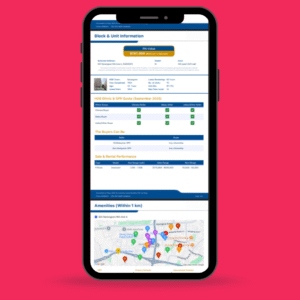
Find Out What Your Home Is Really Worth Today?
Get a data-driven property valuation in minutes, backed by the latest URA & HDB transactions and market trends. Whether you’re planning to sell, buy, or refinance, knowing your home’s true worth gives you the confidence to make smarter decisions.