

The Hidden Income Many Buyers Forget
For many professionals in Singapore, salary is only part of the story. The real payday often arrives once—or a few times—a year in the form of a performance bonus. In industries like finance, tech, sales, and consulting, bonuses can easily run into five figures, sometimes even rivaling several months of base salary.
Naturally, this leads to a common question when buyers start planning for a home purchase: Can my bonus help me qualify for a larger home loan?
The short answer is yes—bonus income can increase your loan eligibility. But there’s a catch. Banks and lenders don’t treat bonus income the same way they treat fixed salary. Because bonuses can vary from year to year and are not always guaranteed, lenders usually apply stricter rules before including them in your loan assessment.
In other words, your bonus can strengthen your borrowing power—but only if it’s consistent, well-documented, and likely to continue.
In this guide, we’ll break down how lenders evaluate bonus income, when it can be counted toward your mortgage application, how it’s calculated, and what Singapore property buyers should know before relying on it to increase their loan eligibility.
The Short Answer: Yes, But Not All Bonuses Count
So, can you use your bonus to increase your loan eligibility? Yes—but not every bonus will be counted.
When banks assess a mortgage application, they look at your total income available to service the loan, not just your base salary. The higher your qualifying income, the larger the loan you may be able to obtain—provided your monthly debt obligations stay within lending rules such as the Total Debt Servicing Ratio framework enforced by the Monetary Authority of Singapore.
However, lenders treat bonus income differently from fixed salary for a simple reason: it’s not guaranteed. Base salary is predictable and contractually defined. Bonuses, on the other hand, often depend on company performance, personal targets, or market conditions. In strong years, they can be substantial. In weaker years, they may shrink—or disappear entirely.
Because of this uncertainty, banks typically apply stricter rules before including bonus income in your loan assessment. They want to see consistency over time, clear documentation, and reasonable confidence that the bonus will continue in future years.
In short, bonus income can boost your borrowing power—but only when lenders believe it’s stable enough to rely on.
Why Bonus Income Can Increase Your Borrowing Power
How lenders assess income
When banks evaluate a mortgage application, they don’t just look at your base salary. Instead, they assess your total qualifying income—the amount of money you reliably receive that can be used to repay the loan.
This means your fixed monthly salary is only one part of the picture. If you consistently receive additional income such as bonuses, commissions, or allowances, lenders may include a portion of that as well—provided it meets their eligibility criteria.
The reason this matters is because home loans are assessed using affordability rules such as the Total Debt Servicing Ratio, implemented by the Monetary Authority of Singapore. Under this framework, banks evaluate how much of your monthly income goes toward servicing debt obligations, including your mortgage, car loans, and credit commitments.
Simply put: the higher your qualifying income, the more borrowing capacity you may have, as long as your total monthly debt payments remain within the allowed limits.
Simple example of increased borrowing power
Here’s a simplified example of how bonus income can influence loan eligibility.
Imagine a buyer with the following income profile:
Base salary: $5,000 per month
Average bonus income: $2,000 per month (after lenders average past bonuses)
If the bank accepts the bonus as qualifying income, the borrower’s total assessed income becomes:
Total qualifying income: $7,000 per month
Instead of assessing the loan based only on the $5,000 salary, the bank now evaluates affordability using $7,000 monthly income. Because affordability rules are tied to income levels, this higher figure can allow the borrower to qualify for a larger loan amount while still staying within the bank’s lending limits.
This is why consistent bonus income can be powerful for buyers—it effectively increases the income used in the bank’s calculations, which can translate into greater purchasing power in the property market.
When Banks Will Count Your Bonus Income
While bonus income can increase your borrowing power, banks won’t automatically include it in your loan assessment. Because bonuses are considered variable income, lenders apply stricter checks before counting them toward your qualifying income.
In most cases, banks want to see clear evidence that the bonus is consistent, stable, and likely to continue.
Track record requirement
The first thing lenders look for is a track record.
Most banks prefer to see at least 24 months of bonus history before they consider including it in your loan calculation. This allows them to verify that the bonus is not a one-off payment but part of your regular compensation.
In some cases—especially if the bonus structure is clearly stated in your employment contract—lenders may accept 12 months of history. However, a longer track record generally makes it easier for the bank to treat the bonus as reliable income.
Stability of bonus payments
Banks also examine whether your bonuses are stable over time.
Ideally, the bonus amounts should be consistent or gradually increasing from year to year. This suggests that the income is tied to a predictable compensation structure rather than random company performance.
If your bonuses fluctuate significantly—or show a clear downward trend—lenders may respond more conservatively. They might:
Reduce the amount of bonus income counted, or
Exclude it entirely from the loan assessment.
From a lender’s perspective, stability matters more than size.
Likelihood the bonus will continue
Finally, banks need to believe that your bonus income is likely to continue in the future.
Mortgage loans often stretch over 20 to 30 years, so lenders must assess whether your income is sustainable over time. If the bonus appears uncertain—perhaps tied to volatile industry performance or a new role without history—banks may hesitate to include it.
To evaluate this, lenders often rely on employment documentation, HR confirmation, and past income records to determine whether the bonus forms a predictable part of your compensation package.
In short, the more evidence you can provide that your bonus is regular, stable, and ongoing, the more likely it is that banks will include it when calculating your loan eligibility.
Guaranteed vs Discretionary Bonuses
Not all bonuses are treated equally by lenders. When assessing bonus income for a mortgage application, banks usually distinguish between guaranteed bonuses and discretionary bonuses. The difference matters because it affects how confidently a lender can rely on that income when calculating your loan eligibility.
Guaranteed bonuses
A guaranteed bonus is one that is clearly written into your employment contract. For example, a contract might state that you receive a fixed percentage of your base salary each year, or a minimum guaranteed bonus based on company policy.
Because these bonuses are formally documented, lenders often view them as more predictable and reliable than other types of variable income.
As a result:
They may require a shorter track record, sometimes around 12 months.
The bonus is often fully or largely included in income calculations.
Banks may treat it similarly to other structured compensation components.
For borrowers, guaranteed bonuses are usually easier to include in a loan application, especially when supported by employment documentation or HR confirmation.
Discretionary bonuses
A discretionary bonus is very different. Instead of being guaranteed in a contract, the amount is typically decided each year by management based on factors such as:
Company performance
Individual performance
Market conditions
Department targets
Because the amount can change significantly from year to year—or may not be paid at all—lenders usually apply stricter rules before accepting this type of income.
In most cases:
Banks want to see at least 24 months of history.
They may average the bonus over several years to smooth fluctuations.
Some lenders may count only a portion of the bonus income to reduce risk.
Why lenders treat discretionary bonuses conservatively
From a lender’s perspective, mortgage loans are long-term commitments that may last decades. To approve a loan responsibly, banks must be confident that the borrower’s income will remain stable enough to support repayments over time.
Discretionary bonuses introduce uncertainty because they depend on variables outside the borrower’s control—such as company profits or industry conditions.
For this reason, lenders take a cautious approach. By averaging bonuses over time or counting only part of the income, banks reduce the risk that a future drop in bonuses could make the loan harder to service.
In short, the more predictable your bonus structure is, the more likely lenders are to include it when calculating your loan eligibility.
How Lenders Actually Calculate Bonus Income
Even when banks decide to accept bonus income, they rarely take the latest payout at face value. Instead, lenders apply a more conservative calculation method to smooth out fluctuations and reduce the risk of overestimating a borrower’s income.
The most common approach is bonus averaging.
Bonus averaging method
Bonuses can vary widely from year to year. One year might bring an exceptional payout, while another year could be much smaller depending on company performance, market conditions, or individual targets.
Because of this variability, lenders usually avoid relying on a single year’s bonus when assessing loan eligibility. Using only the most recent bonus could give a misleading picture of a borrower’s long-term earning ability.
Instead, banks look at your bonus history over multiple years and calculate an average. This helps them estimate a more realistic monthly income figure that reflects your typical earnings rather than a one-off spike.
Typical calculation formula
Most lenders follow a fairly straightforward method when converting bonus income into qualifying income.
The typical process looks like this:
Add up all bonuses received over the past 24 months.
Divide the total by 24 to calculate the average monthly bonus income.
Add this monthly figure to your base salary to determine your total qualifying income.
This averaged monthly amount is then used in the bank’s affordability assessment when calculating how much you may be able to borrow.
Real-world example
Here’s how this calculation might look in practice.
Year 1 bonus: $30,000
Year 2 bonus: $33,000
Total bonus over 24 months:
$63,000
The lender then divides this amount across 24 months:
$63,000 ÷ 24 = $2,625 per month
This means the bank may treat $2,625 as additional monthly income on top of your base salary.
For example:
Base salary: $5,000/month
Averaged bonus income: $2,625/month
Total qualifying income used in the loan assessment:
$7,625 per month
By increasing the income figure used in affordability calculations, this averaged bonus can significantly raise the borrower’s potential loan eligibility, provided the income meets the lender’s consistency and documentation requirements.
Why Some Lenders Only Use Part of Your Bonus
Even when banks accept bonus income, they may not count the full amount toward your loan eligibility. Because bonuses are considered variable income, lenders often apply a safety buffer when calculating how much of it can be used.
From a risk perspective, bonuses are less predictable than fixed salaries. A company may reduce payouts during slower years, industries may face downturns, or performance targets may change. To protect against these uncertainties, some lenders choose to include only a portion of the averaged bonus in their calculations.
In many cases, banks may use around 50–60% of the averaged bonus income rather than the full amount. This conservative approach helps ensure borrowers can still manage repayments even if future bonuses are smaller.
There are also situations where lenders may decide not to count bonus income at all.
One common scenario is large fluctuations in bonus amounts. If bonuses vary dramatically from year to year, it becomes difficult for banks to determine a reliable income pattern.
Another red flag is declining bonus income. If bonuses have dropped significantly over recent years, lenders may assume that the trend could continue, making the income less dependable.
Finally, recent job changes can complicate things. If you’ve just moved to a new company and haven’t yet established a track record of receiving bonuses in that role, lenders may choose to exclude the bonus until there is sufficient history to prove it’s consistent.
In short, banks prefer stable and predictable income. The more consistent your bonus history is, the more likely lenders will be willing to include a larger portion of it when assessing your borrowing capacity.
Documents Needed to Use Bonus Income
If you want your bonus to count toward your loan eligibility, documentation is crucial. Because bonuses are considered variable income, lenders require clear proof that the payments are genuine, consistent, and likely to continue.
In most mortgage applications, banks will ask for several supporting documents to verify both the amount of bonus received and the stability of that income over time.
Payslips
One of the first documents lenders review is your recent payslips.
Payslips typically show your year-to-date income, which includes both your base salary and any bonuses paid during the year. This allows banks to see whether bonuses are being paid regularly and how they contribute to your total earnings.
If you recently received a bonus, it may also appear clearly in your latest payslip, making it easier for the lender to include it in the assessment.
Tax records
Lenders also rely on tax documents from previous years to verify bonus income. These records provide independent proof of how much variable income you received in the past.
Because tax filings reflect your official declared income, they help lenders confirm:
That bonuses were actually paid
The total amount received each year
Whether the bonus income has been consistent over time
This historical view helps banks determine whether the bonus is reliable enough to include in their calculations.
Employer verification
In some cases, banks may request employer verification.
This usually comes in the form of a letter from your company’s HR department confirming:
Your employment status
Your compensation structure
Whether your role includes bonuses
Whether the bonus is expected to continue
This type of confirmation helps lenders understand whether the bonus is a regular component of your compensation package.
Additional tax returns (if income is highly variable)
If a significant portion of your earnings comes from variable income—such as bonuses, commissions, or incentives—banks may ask for additional tax returns or supporting documents.
These extra records help lenders review a longer income history and better assess patterns in your earnings.
The goal is to ensure the income used to support the mortgage application reflects a stable long-term earning trend.
Special case: changing jobs
Changing jobs can complicate things slightly when bonus income is involved.
If you recently moved to a new employer, lenders may want confirmation that your new role has a similar bonus structure to your previous job. Without this reassurance, banks may hesitate to include bonus income because there is no track record in the new position yet.
In some cases, your new employer may need to provide written confirmation explaining how the bonus works and whether it is expected to continue.
For borrowers planning a home purchase, it’s often helpful to secure loan approval before making major employment changes, especially if bonus income plays a significant role in your borrowing capacity.
Special Considerations for Singapore Property Buyers
If you’re buying property in Singapore, bonus income can certainly boost your loan eligibility—but there are local rules and safeguards that buyers must consider. Even with a healthy bonus, lenders are required to ensure that you can responsibly service your debt.
Total Debt Servicing Ratio (TDSR)
The Total Debt Servicing Ratio (TDSR) is a key framework used by banks to determine how much of your monthly income can go toward servicing all debt obligations, including your mortgage, car loans, and credit cards.
Even if your bonus pushes your total income higher on paper, the resulting loan must still fit within TDSR limits. This means there’s a ceiling on how much you can borrow, and a larger bonus doesn’t automatically translate into a proportionally larger loan.
For example, a bank may recognize your bonus as qualifying income, but the maximum loan amount is capped by TDSR rules, ensuring monthly repayments remain manageable relative to your total earnings.
Stress-tested interest rates
Singapore banks also apply stress tests when assessing affordability. This involves calculating repayments as if interest rates were higher than the current market rate, ensuring borrowers can still manage their loan under less favorable conditions.
Even with bonus income included, lenders want to be confident that your repayments would remain sustainable if rates rise. This means the bonus doesn’t provide unlimited borrowing power, and prudent lenders often factor in only a portion of variable income to safeguard against future fluctuations.
Why bonus income doesn’t automatically guarantee a larger loan
In short, including your bonus in your qualifying income increases borrowing power only when it meets lender criteria. If the bonus is variable, inconsistent, or uncertain, banks may discount or exclude it.
Additionally, regulatory safeguards like TDSR limits and stress-tested rates mean that even a stable bonus may not push your loan eligibility as high as you might expect.
Understanding these local frameworks is crucial: bonus income can help, but it’s not a guarantee. Borrowers still need to plan carefully, maintain documentation, and work within the constraints of Singapore’s lending rules.
Smart Strategies If You Want to Use Bonus Income
If you plan to rely on bonus income to boost your loan eligibility, a strategic approach can make a significant difference. Lenders prioritize consistency, documentation, and predictability, so adopting the right strategies can help ensure your bonus is counted in full.
Build a bonus track record
Banks typically want to see 1–2 years of documented bonus history before considering it in your loan assessment.
By maintaining a consistent track record, you demonstrate to lenders that your bonus is a reliable part of your income, not a one-off payment. This can make the difference between your bonus being fully counted or only partially included.
Document everything early
Good documentation is key. Ensure that you have:
A clear employment contract outlining your bonus structure
HR letters or confirmation that detail how the bonus works and its expected continuation
Providing these documents upfront shows lenders that your bonus is legitimate, predictable, and sustainable.
Avoid large fluctuations
Sudden drops or erratic changes in your bonus can undermine your borrowing power. Lenders prefer income that is stable or gradually increasing, as this reduces perceived risk.
If possible, try to maintain consistency in your bonus payouts, or at least keep records that explain variations. Stability is often more important than size when it comes to qualifying for a larger loan.
Choose the right lender
Not all banks treat bonus income equally. Some lenders or private banks are more flexible with high-earner profiles, while others may cap the percentage of bonus they consider.
Researching lenders and understanding their policies can help you target institutions that are more likely to maximize your qualifying income.
Time your loan application strategically
Timing can also impact how your bonus is treated. Applying for a loan after receiving your annual or quarterly bonus can strengthen your application because the current-year bonus is clearly reflected in payslips and year-to-date income.
This simple timing strategy can increase the likelihood that lenders will consider your bonus in the calculation, giving you a potential boost in loan eligibility.
Common Mistakes Buyers Make With Bonus Income
Even well-intentioned borrowers can stumble when trying to use bonus income to increase loan eligibility. Understanding common pitfalls can help you avoid delays, rejections, or reduced borrowing power.
Assuming the full bonus will be counted
One of the most frequent mistakes is expecting the entire bonus to be included in qualifying income. Banks often discount discretionary bonuses or average them over time, meaning only a portion may count toward your loan.
Applying before building enough history
Many buyers apply for a mortgage without a sufficient track record of bonus payments. Lenders typically require 1–2 years of consistent bonus history, and applying too early can lead to your bonus being excluded or partially counted.
Ignoring TDSR impact
Even if your bonus increases your income on paper, borrowers sometimes forget local lending rules, like Singapore’s Total Debt Servicing Ratio (TDSR). Exceeding TDSR limits can cap your maximum loan amount, regardless of your bonus.
Changing jobs before loan approval
Switching employers before securing mortgage approval can also backfire. Lenders may exclude bonus income from a new role if there’s no track record, potentially reducing your loan eligibility. Always check your new bonus structure and consider timing your application carefully.
Being aware of these mistakes allows buyers to plan strategically, document properly, and time applications to maximize the impact of bonus income on their home loan.
Bonus Income Can Help — If It’s Predictable
Bonus income can be a powerful tool for increasing your loan eligibility—but only when it’s predictable, well-documented, and sustainable. Lenders don’t treat bonuses the same as fixed salary, so understanding how they assess variable income is crucial for buyers who want to maximize their borrowing power.
Key takeaways:
Yes, bonus income can increase loan eligibility, but only if it meets lender criteria.
Banks prioritize consistency, documentation, and likelihood of continuation over sheer size.
Being aware of how lenders evaluate bonuses helps you plan strategically and avoid surprises during the mortgage process.
For a practical next step, consider calculating your real borrowing power based on your total qualifying income—including bonuses—rather than relying solely on your base salary. This approach gives a more accurate picture of what you can realistically afford in Singapore’s property market.
Sources & Further Reading
For readers who want to dive deeper into using bonus income for mortgage eligibility, these resources provide detailed guidance, examples, and practical tips:
LendFriend Mortgage – “How To Use Your Bonus Income To Qualify For a Mortgage” lendfriendmtg
FREEandCLEAR – “Can You Use a Bonus to Qualify for a Mortgage?” freeandclear
The Mortgage Reports – Article on using bonuses for mortgage qualifying themortgagereports
Realty Times – “Can You Use Bonus Income to Help Qualify for a Home Loan?” realtytimes
MortgageResearch.com – “Use Bonus, Overtime, and Commission Income To Qualify for a Mortgage” mortgageresearch
IQrate Mortgages – “How To Use Bonus Income To Qualify For a Mortgage” iqratemortgages
DBS Bank – “Understanding The Role TDSR Plays In Responsible Borrowing” dbs.com
Elephant Advisory (YouTube) – “Do Lenders Accept Bonuses? | How Bonus Income Can Increase Your Borrowing Capacity” youtube
These sources can help buyers verify lender practices, understand calculations, and plan strategically when using bonus income to strengthen their home loan applications.
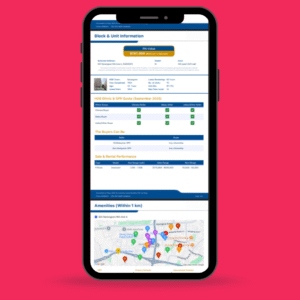
Find Out What Your Home Is Really Worth Today?
Get a data-driven property valuation in minutes, backed by the latest URA & HDB transactions and market trends. Whether you’re planning to sell, buy, or refinance, knowing your home’s true worth gives you the confidence to make smarter decisions.