

Timing the Market — Myth or Smart Strategy?
Every HDB seller eventually asks the same question: “What’s the best month to sell my flat?”
It sounds simple enough. List at the right time, attract more buyers, and hopefully walk away with a better price. But in Singapore’s property market, timing can feel like a puzzle — one where everyone is trying to guess the exact moment demand peaks.
Many homeowners start thinking about timing long before they even contact an agent. They might watch resale prices climb in the news, notice a neighbour’s flat selling quickly, or hear friends say things like, “January is the best time to list” or “Avoid the year-end lull.” Naturally, the idea of a “perfect month” starts to take hold.
But here’s the reality: there isn’t a single magical month that guarantees the best sale price every year.
What the data actually shows is something more nuanced. Some months tend to attract more buyers and viewing activity, while others see the market slow down due to holidays, school schedules, or broader economic factors. In other words, timing still matters — just not in the way most people think.
In this guide, we’ll break down what really drives timing in the HDB resale market. You’ll learn:
Which months tend to see stronger buyer demand
The periods when activity typically slows
And why broader market cycles often matter more than picking a specific date on the calendar
Because selling well isn’t about guessing the “perfect” month — it’s about understanding how the market moves throughout the year.
Is There Really a “Best Month” to Sell an HDB?
The short answer: not exactly.
If you look at years of resale transaction data and analyst reports, there isn’t one specific month that consistently delivers the highest prices or fastest sales. Some years see strong activity in January. Other years peak in mid-year. Occasionally, quieter months suddenly rebound with a surge of transactions.
What the data actually reveals is a pattern of seasonal behaviour, rather than a single “lucky” month.
One of the clearest patterns is the presence of seasonal transaction lulls. Certain periods in the year naturally see fewer buyers actively searching. Holidays, school schedules, and festive seasons often shift people’s priorities away from major housing decisions. During these months, viewing activity and completed transactions can dip noticeably.
But property markets rarely stay quiet for long. After slower periods, the market often experiences rebound months, when pent-up demand returns. Buyers who paused their search re-enter the market, and sellers who held off listing begin putting their flats up for sale again. These rebounds can sometimes create bursts of activity that feel stronger than usual.
Another important observation is that prices tend to move more by quarters or yearly trends rather than individual months. For example, broader market forces—interest rates, housing supply, policy changes, or overall economic sentiment—often shape price growth over an entire quarter or year. This means the bigger picture matters more than trying to pinpoint the perfect 30-day window.
The key takeaway is simple: there may not be a single best month to sell your HDB, but there are definitely better windows throughout the year when demand tends to be stronger.
Understanding these patterns can help sellers position their listing at a time when more buyers are actively looking—giving them a better chance of attracting interest and negotiating a favourable deal.
Months That Tend to Be Stronger for HDB Sellers
While there isn’t a single “best” month to sell your flat, market data does show that certain periods of the year tend to attract more buyer activity and viewing demand. These windows often appear when buyers re-enter the market after pauses or when life events push them to make housing decisions.
For sellers, listing during these stronger periods can mean more enquiries, more viewings, and sometimes faster offers.
Early-Year Rebound (January – March)
The start of the year often brings a noticeable rebound in HDB resale activity.
After the slower year-end months—when many people are travelling, celebrating holidays, or wrapping up financial commitments—buyers tend to return to the market in January. Property agents frequently report an uptick in viewings and transaction volumes compared with December, as house hunters resume their search.
There’s also a psychological reset that comes with a new year. Many buyers begin the year with fresh budgets, updated financial plans, and renewed housing goals. Couples planning to upgrade, families expecting a new child, or buyers who delayed their purchase the previous year often use the first quarter to restart their search.
For sellers, this early-year momentum can translate into stronger viewing interest and a wider pool of potential buyers.
Mid-Year Activity (After June School Holidays)
Another period that often sees healthy activity is around the middle of the year, particularly after the June school holidays.
In Singapore, many families prefer to move at times that minimise disruption to their children’s education. As a result, some buyers try to secure a home before or shortly after the mid-year break, allowing enough time to complete the resale process and settle in before the next school term.
Market reports have also observed steady transaction activity during the second quarter, showing that the resale market can remain active even during months that traditionally experience slower demand.
For sellers targeting family buyers, listing around this window can help attract households actively planning their next move.
Post-Lull Recovery Months
One of the most overlooked opportunities for sellers is the rebound period after a quiet stretch in the market.
When transaction volumes fall for several months—due to holidays, economic uncertainty, or competing housing options—many buyers simply pause their search rather than abandon it altogether. Once conditions stabilise, these buyers often return to the market with renewed urgency.
This pent-up demand can create bursts of viewing activity and increased offers, especially if fewer sellers listed their homes during the earlier lull.
For homeowners who time their listing during these recovery windows, the result can sometimes be stronger buyer attention and quicker negotiations.
Months Sellers Should Be More Cautious About
Just as some periods naturally attract more buyers, other times of the year tend to see slower viewing traffic and fewer transactions. This doesn’t mean you can’t sell during these months — many flats still do — but the pool of active buyers may be smaller, and negotiations can sometimes take longer.
Understanding these quieter windows helps sellers decide whether to list immediately or wait for stronger demand.
Year-End Lull (October – December)
Toward the end of the year, the HDB resale market often enters a seasonal slowdown.
Transaction volumes frequently dip between October and December as many buyers shift their focus to travel plans, family commitments, and year-end financial obligations. For some households, large purchases like property are simply postponed until the new year when budgets and priorities reset.
This doesn’t mean activity disappears entirely, but sellers may notice fewer enquiries, fewer viewings, and a slightly longer time to secure offers compared with more active months earlier in the year.
Periods With Major BTO Launches
Another factor that can temporarily reduce resale demand is large Build-To-Order (BTO) launches.
When many new flats are released in attractive locations, some buyers may choose to try their luck with BTO applications instead of committing to a resale purchase. During these periods, a portion of potential buyers may pause their resale search while waiting for ballot results or considering their options.
For resale sellers, this means buyer attention can briefly shift toward new housing supply.
Policy Changes and Cooling Measures
Government housing policies can also influence market activity.
When new cooling measures, loan restrictions, or financing rules are introduced, buyers often take time to reassess their affordability and eligibility. Even small changes to loan limits or interest rates can affect how much buyers feel comfortable paying.
During these moments of adjustment, the market may temporarily slow as buyers review their finances and recalculate their budgets before proceeding with a purchase.
Festive and Exam Periods
Finally, certain times of the year simply come with competing priorities.
Major festive seasons and important academic periods can distract both buyers and sellers from housing decisions. Examples include:
Chinese New Year, when families focus on celebrations and travel
PSLE and O-Level exam months, when parents prioritise their children’s studies
Long school holiday periods, when many households travel overseas
During these times, viewing activity often dips because property decisions take a back seat to family commitments.
For sellers who are not in a rush, avoiding these quieter windows may help ensure more consistent buyer traffic and stronger engagement once the market becomes active again.
Why Market Cycles Matter More Than the Exact Month
While many sellers focus on choosing the “right” month to list their flat, the bigger driver of sale outcomes is usually something far less obvious: the overall market cycle.
Property prices don’t move neatly from January to December. Instead, they tend to rise, stabilise, or soften over longer economic cycles shaped by supply, demand, financing conditions, and government policy. These forces influence buyer behaviour far more than the calendar month in which a flat is listed.
For example, even if you list during a traditionally active period, your final selling price may still be affected by broader market conditions. When price growth slows across the market, buyers often become more cautious and selective. Similarly, if a large number of flats are entering the resale market at the same time, sellers may face more competition regardless of which month they choose to sell.
One factor that can significantly influence supply is the number of flats reaching their Minimum Occupation Period (MOP). When large batches of HDB flats become eligible for resale around the same time, the market suddenly has more options for buyers. Increased supply can reduce urgency among buyers and create stronger competition between sellers.
Market balance also plays a major role in negotiations. In a seller’s market, where demand outpaces supply, buyers tend to move quickly and may be willing to offer closer to asking prices. In a balanced or buyer’s market, however, buyers gain more negotiating power and may take longer to commit.
This is why experienced sellers and property professionals pay close attention to market cycles rather than just individual months. A well-timed sale during a favourable phase of the market can have a far greater impact on price and demand than simply listing in what is perceived to be the “best” month.
The core takeaway is straightforward: choosing the right market phase matters far more than choosing the perfect date on the calendar.
Understanding Buyer Psychology and Timing
Behind every HDB transaction is a real-life decision — and those decisions rarely revolve around the calendar alone. Buyer behaviour is often driven by life events, financial milestones, and practical timing considerations. Understanding these motivations can help sellers position their flat when buyers are most ready to act.
Families Planning Moves Around School Schedules
For many families, moving house is carefully planned around their children’s education.
Parents typically prefer to relocate between school terms or during holidays to minimise disruption. Changing schools mid-year can be stressful for children, so buyers with school-going kids often start their property search months in advance to ensure they can complete the move at a convenient time.
This is why certain periods — particularly around school holidays or just before new terms — tend to see more serious family buyers actively viewing flats.
Buyers Upgrading After Securing Their Next Home
Another common buyer group consists of upgraders who have already secured their next property.
For example, an HDB owner who successfully purchases a condominium or another resale flat may need to move within a specific timeline. Once their next home is confirmed, the pressure to secure a replacement flat increases — and they become more decisive buyers.
These buyers are often motivated by practical timelines rather than market speculation, which can lead to faster decision-making.
Couples Timing Purchases Around Life Events
Housing decisions are also closely tied to major life milestones.
Young couples may be buying their first home after marriage. Growing families may be searching for larger flats before the arrival of a new baby. Others may be relocating to be closer to parents or childcare support.
Because these decisions are driven by personal life stages, buyers sometimes remain active even when market conditions are uncertain. When a home is needed, the search continues.
Buyers Reacting to Loan Rules, Interest Rates, and Policy Announcements
Financial conditions also shape buyer behaviour.
Changes in loan eligibility rules, interest rates, or housing policies can quickly influence how buyers approach the market. When new regulations are announced, some buyers rush to secure a property before stricter rules take effect. Others may temporarily pause their search while recalculating affordability.
These shifts can create short bursts of increased activity or brief slowdowns depending on how buyers react.
Practical Insight for Sellers
The key lesson for sellers is simple: buyers don’t move according to the calendar — they move when life pushes them to.
By understanding the motivations behind buyer behaviour, sellers can position their listing during periods when more buyers are actively searching. When your flat appears on the market at the same time that motivated buyers are looking, it naturally attracts more viewings, stronger interest, and potentially faster offers.
Practical Timing Tips for HDB Sellers
Understanding seasonal patterns and buyer behaviour is useful — but what really matters is how you apply that knowledge when planning your sale. Timing your listing strategically can help you attract more interest, increase viewing activity, and potentially negotiate stronger offers.
Here are some practical timing tips HDB sellers can use.
List During Active Buyer Windows
Whenever possible, aim to list your flat during periods when buyer demand is naturally stronger rather than during known seasonal lulls.
Early-year months and periods following slower market activity often see a fresh wave of buyers entering the market. Listing when more people are actively searching increases the chances of higher enquiry rates and competitive offers.
If you’re not in a rush to sell, avoiding the quieter year-end months can sometimes help ensure your flat receives more consistent attention.
Watch for Upcoming BTO Launches in Your Town
BTO launches can influence buyer demand in the resale market.
When a large number of new flats are launched in the same town or nearby estates, some buyers may choose to try their luck with a BTO application instead of committing to a resale purchase. This can temporarily divert attention away from resale listings.
Before listing your flat, it can be helpful to check whether a major BTO launch is scheduled in your area. If so, some sellers choose to bring their listing forward to capture buyers before they apply.
Monitor Policy Announcements and Cooling Measures
Housing policies and financing rules can quickly shift market behaviour.
Announcements related to cooling measures, loan eligibility changes, or property taxes often cause buyers to pause and reassess their affordability. In some cases, the market slows temporarily while buyers and agents adjust to the new rules.
Keeping an eye on policy updates allows sellers to better anticipate short-term changes in buyer sentiment.
Prepare Your Listing Before Demand Peaks
One of the most effective strategies is to prepare your flat for sale ahead of anticipated demand spikes.
This means completing key steps such as:
Gathering property documents
Decluttering and staging the flat
Taking listing photos
Planning marketing and viewings
Ideally, this preparation should start one to two months before the period you intend to list, so your flat can enter the market when buyer interest begins to rise.
Align Your Sale With Your Next Home Purchase
Finally, timing your sale should also consider your own housing plans.
Many HDB sellers are simultaneously planning their next move — whether upgrading to a condominium, buying another resale flat, or waiting for a new property to be completed. Aligning your sale timeline with your next purchase can help avoid unnecessary financial pressure or temporary housing arrangements.
In practice, the best timing strategy balances market conditions, buyer demand, and your personal moving timeline. When these factors align, sellers often find the process smoother and more predictable.
Best and Worst Periods to Sell
If you’re looking for a quick takeaway, here’s the simplified version of how timing tends to work in the HDB resale market. While there is no single perfect month, certain periods typically attract more buyer activity, while others may see slower demand and fewer viewings.
Generally Stronger Periods
These windows often see healthier buyer demand and more viewing traffic:
Early-Year Rebound (January – March)
After the quieter year-end months, many buyers return to the market with fresh budgets and new housing plans. This early-year momentum can create a noticeable rebound in enquiries and transactions.
Mid-Year Family Mover Window
Around the middle of the year, families planning moves around school schedules often become active in the market. Buyers may want to secure a home before or shortly after the June school holidays.
Rebound Months After Slow Periods
After several quieter months, pent-up demand can return as buyers who delayed their search re-enter the market. These rebound periods sometimes generate stronger viewing interest.
Periods to Be Cautious About
These periods don’t make selling impossible, but they can sometimes mean fewer active buyers.
Year-End Slowdown (October – December)
Travel plans, holidays, and year-end financial commitments often reduce buyer activity, leading to fewer transactions during this period.
Large BTO Launch Periods
When a significant number of BTO flats are launched, some buyers may pause their resale search while waiting for ballot results or considering their options.
Immediately After Cooling Measures
New loan rules or property policies can temporarily slow the market as buyers reassess affordability and adjust their plans.
Understanding these patterns can help sellers choose a stronger window to list their flat, improving the chances of attracting serious buyers.
The Best Month Is the One That Fits Your Strategy
The search for a “perfect month” to sell your HDB is understandable — but the reality is clear: there is no universal best month. Market data shows that prices and transactions fluctuate throughout the year, and while certain periods tend to attract more buyers, the ultimate timing depends on your personal circumstances.
Stronger selling windows exist because of buyer behaviour and predictable market patterns, such as early-year rebounds, mid-year family moves, and post-lull recoveries. These periods generally see higher viewing traffic and more active buyers, making it easier to attract attention to your flat.
However, the best timing for your sale is not just about market cycles. It’s about balancing three key factors:
Market conditions — understanding whether supply, demand, and pricing trends are in your favour
Buyer demand — listing when motivated buyers are actively searching
Your personal moving timeline — aligning your sale with your next home purchase or life plans
Ultimately, selling successfully isn’t about chasing a lucky month on the calendar. It’s about understanding how the HDB market moves and timing your sale strategically to match both market patterns and your personal needs. By doing so, you give your flat the best chance of attracting buyers and achieving a smooth, successful sale.
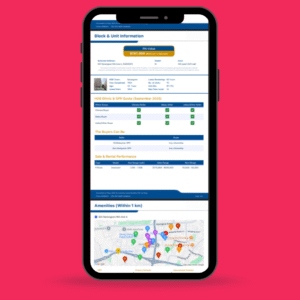
Find Out What Your Home Is Really Worth Today?
Get a data-driven property valuation in minutes, backed by the latest URA & HDB transactions and market trends. Whether you’re planning to sell, buy, or refinance, knowing your home’s true worth gives you the confidence to make smarter decisions.