

The Gaps Between the Brochure and Reality
Buying property in Singapore is often framed as a milestone you unlock—once your income clears the hurdle, the loan is approved, and the OTP is signed, the hard part is supposedly over. Showflats gleam, agents talk upside, and calculators reassure you that the monthly instalment is “comfortable”. What rarely gets airtime is everything that sits after qualification: the rules, ceilings, constraints, and long-term trade-offs that quietly shape whether a home actually works for you.
That’s because most property advice here is structurally incomplete. It focuses on entry—eligibility, grants, loan limits, purchase price—because those are measurable, marketable, and easy to package. What it doesn’t dwell on are the frictions that don’t fit neatly into a sales pitch: renovation restrictions you only discover after key collection, lease decay that limits who can buy from you later, financing rules that box you in when you want to move again, and management by-laws that govern how you actually live day to day.
There’s a crucial difference between qualifying for a home and living well in it. Qualification is a snapshot: income today, age today, rules today. Living well is longitudinal. It asks harder questions. Can you renovate the way you planned? Will the lease still support financing when you sell? How much flexibility will you have if your family size, job, or priorities change? What will ownership feel like—not just in year one, but in year ten?
This article is about those quiet realities. Not the obvious costs, but the invisible constraints. Not the brochure version of ownership, but the lived one. The rules that shape outcomes, the structures that cap exits, and the everyday limitations that only become clear once the keys are in your hand. Because in Singapore, buying property isn’t just about what you can afford—it’s about what you’re signing up for.
Renovation Is Not “Free Rein” — It’s Heavily Regulated
(What buyers only learn after key collection)
For many buyers, renovation is where the excitement really begins. Pinterest boards, contractor quotes, mood boards labelled “Japandi” or “Hotel Luxe”. What few expect is how quickly that excitement collides with regulation. In Singapore, renovation isn’t a creative free-for-all—it’s a tightly governed process, and the rules often surface only after you’ve collected the keys.
Renovation Permissions You Didn’t Budget Time For
In HDB flats, renovation begins not with hacking—but with paperwork. Permits are required for a surprisingly wide range of works: wall and floor hacking, new plumbing points, electrical rewiring beyond existing points, window replacements, and toilet floor or wall hacking. Miss a permit, and works can be stopped mid-way, fines imposed, or reinstatement ordered.
Private property owners often assume they’re spared this complexity. They aren’t. Condos replace HDB permits with MCST approvals, and these can be just as restrictive. Contractors may confidently say, “Can do,” but the final say sits with the management office. Drawings, method statements, deposits, and advance notice periods are common requirements—and approval timelines vary widely from development to development.
The result? Renovation plans that look straightforward on paper quietly stretch before a single tile is laid.
Works That Are Flat-Out Prohibited
Some renovation ideas don’t just require approval—they’re simply not allowed. Structural elements are off-limits across both HDB and private properties: load-bearing walls, beams, columns, and key structural members cannot be hacked or altered, no matter how compelling the design rationale sounds.
There are also strict limits on floor loading, with slabs capped at specific weight thresholds. Exceed them, and even heavy finishes or built-ins can become an issue. Façade changes are another common stumbling block. External appearances, unauthorised window grilles, balcony alterations, and openings in party walls are tightly controlled or outright banned.
These are not aesthetic preferences; they’re safety and structural rules. But for buyers who only discover them after purchase, they can mean redesigns, sunk costs, or compromised expectations.
Renovation Timelines That Stretch Longer Than Expected
Then there’s time—the factor most frequently underestimated. For HDB flats, noisy works like hacking and drilling are typically restricted to weekdays during office hours. Weekends and public holidays are off-limits. Even with smooth approvals, this alone can extend renovation schedules well beyond what buyers expect.
Condos can be stricter still. Many MCSTs impose narrow renovation windows, sometimes limiting noisy works to specific hours within weekdays, with zero tolerance on weekends or holidays. Access rules, lift padding schedules, and booking systems add further friction.
The practical impact is real. Longer timelines mean extended rental stays, higher holding costs, coordination headaches with designers and contractors, and renovation budgets creeping upward—not because materials changed, but because time did.
Renovation in Singapore isn’t just about taste and budget. It’s about navigating a web of permits, prohibitions, and time controls. And for many owners, that reality only becomes clear after the keys are in hand—when the brochure version of “make it your own” meets the fine print.
Lease Decay Quietly Caps Your Upside
(Why “long-term appreciation” has a structural ceiling)
Property in Singapore is often sold as a long game. Buy early, hold patiently, and time will do the heavy lifting. What this narrative tends to gloss over is a fundamental constraint baked into most homes here: the 99-year lease. Unlike freehold property, leasehold homes are not designed to appreciate indefinitely—and the effects of that clock are subtle at first, then increasingly hard to ignore.
Property Prices Don’t Rise Forever on a 99-Year Clock
In the early decades, lease decay is easy to dismiss. With 80 or 90 years left, the property still feels “young”, and market prices often move in line with broader trends. But once the remaining lease drifts toward the 70-year mark, behaviour starts to change—quietly, but decisively.
Buyers become more cautious. Valuers turn conservative. Banks begin pricing in the reality that the lease is no longer a distant problem, but a medium-term one. As remaining lease drops further, price growth tends to flatten, then weaken—not because the unit suddenly becomes undesirable, but because time itself has become a visible constraint.
This is the structural ceiling marketing rarely mentions. Even in strong locations, leasehold values don’t rise forever. They peak, plateau, and eventually face gravity.
Financing Tightens as Lease Shortens
The real inflection point often comes with financing. Once remaining lease falls below certain thresholds—commonly around 60 years—loan eligibility starts to tighten. Banks may reduce loan tenure, lower loan amounts, or require significantly higher cash and CPF outlays.
At around 40 years of remaining lease, financing can become severely restricted. Many buyers simply can’t get a loan at all, regardless of income. When financing dries up, demand shrinks—and when the buyer pool shrinks, resale prices feel the pressure.
This is how lease decay becomes a resale issue. Not because no one wants the home, but because fewer people are allowed to buy it. Exit options narrow, timelines stretch, and owners lose pricing power at the very stage when flexibility matters most.
The End-of-Lease Reality Few Like to Discuss
At the end of a 99-year lease, the outcome is stark: the property reverts to the state. There is generally no compensation. While schemes like SERS or potential future versions of VERS are often cited as comfort, they are neither universal nor guaranteed. Selection is limited, criteria are opaque, and most flats will never be included.
This makes leasehold ownership fundamentally different from what many buyers assume. You’re not just buying a home—you’re buying a right to occupy for a finite period. Which means the real question isn’t just, “Can I afford this now?” but “Who will want—and be able—to buy this from me later?”
That’s why exit planning matters as much as entry price. Age, remaining lease, financing rules, and resale demand all intersect over time. Ignore that intersection, and the downside doesn’t arrive with drama—it arrives quietly, in the form of fewer options, weaker bargaining power, and a ceiling you didn’t realise was there until you hit it.
Financing Rules That Box You In Later
(Why your first home decision affects your second — even years later)
Most buyers experience housing finance as a one-time hurdle. You clear the checks, secure the loan, and move on. What’s less understood is that Singapore’s financing rules are cumulative. They don’t reset when you’re ready for your next move. The loan you take today quietly shapes what you’ll be allowed to buy tomorrow.
LTV Is Generous… Until It Isn’t
For a first property, loan-to-value limits feel accommodating. Banks can finance a large portion of the purchase, making ownership seem well within reach. This early experience sets expectations—and that’s where the trouble begins.
The moment you look at a second property, the framework changes. LTV limits drop sharply, and they’re no longer just about the property—they’re about you. Your age matters. Loan tenure matters. If the loan stretches too long or runs past certain age thresholds, borrowing power shrinks further. What once felt like a manageable upgrade suddenly requires far more capital upfront.
This is rarely communicated at the point of first purchase, yet it’s one of the most decisive constraints buyers face later.
The Cash Portion Shock
CPF gives many buyers a false sense of security. It works smoothly for the first home, so it’s easy to assume it will do the same job next time. In reality, the second purchase is where CPF often falls short.
Lower LTV limits mean a larger portion of the price must be funded without loans—and crucially, a significant slice of that portion must be paid in cash, not CPF. This is the moment many buyers hit an unexpected wall. They may have substantial equity on paper, but not enough liquid cash to act.
The shock isn’t just the amount—it’s the timing. Cash requirements don’t creep up gradually; they jump. And for households that planned around CPF usage rather than cash accumulation, this can stall or completely derail the next move.
The Upgrade Trap Many Buyers Walk Into
“I’ll just upgrade later” sounds sensible when you’re buying your first home. But financing rules have a way of turning that plan into a trap. Early loan decisions—long tenures, maximum leverage, minimal cash buffers—feel harmless at the start. Years later, they become the very reasons flexibility disappears.
When LTV drops, cash requirements rise, and age shortens allowable tenures, upgrading stops being a simple step forward. It becomes a complex reshuffle of loans, equity, and timing. Some buyers find themselves technically wealthier, yet practically stuck—owning a home, but unable to move to the one they actually want.
That’s the quiet consequence of financing rules. They don’t just decide whether you can buy today. They decide how freely you can move tomorrow.
Owning a Home Doesn’t Mean Unlimited Use
(The freedoms buyers assume — but don’t actually have)
Ownership carries an unspoken assumption: my home, my rules. In practice, property use in Singapore is tightly regulated, and many owners only discover the boundaries after purchase—often when a casual plan turns into a formal application, or worse, a warning letter.
The Airbnb Myth in Singapore
Few ideas are as persistent—or as misleading—as the promise of easy Airbnb income. The reality is far less flexible. For private residential properties, regulations require a minimum stay of three consecutive months. Anything shorter remains illegal, regardless of demand, tourist footfall, or how tastefully the unit is furnished.
This rule alone dismantles the short-term rental narrative for most owners. The occasional weekend stay, the rotating guest model, the “offset my mortgage” plan—none of these align with Singapore’s regulatory framework. Yet the myth persists, often unchallenged at the point of purchase.
Subletting and Occupancy Limits
Even long-term renting comes with constraints. HDB flats are governed by detailed subletting rules: minimum occupation periods, limits on how much of the flat can be rented out, and quotas tied to citizenship composition. These rules materially cap rental strategies, especially for owners counting on flexibility.
Private condos offer more latitude, but they’re not rule-free. MCST by-laws can limit the number of occupants per unit, restrict the use of common facilities by tenants, and actively enforce compliance. High-occupancy arrangements that look viable on paper may violate management rules in practice.
The result is a narrower rental playbook than many buyers expect.
Home-Based Use Isn’t Always Allowed
Using your home beyond pure residential living can trigger another layer of restrictions. Many MCSTs regulate or ban certain home-based businesses, control visitor traffic, and restrict how common areas are used. Even activities that feel harmless—regular client visits, deliveries, or signage—can breach by-laws.
These constraints matter because they affect yield assumptions. A unit that seems perfect for maximising rental or dual-use income may not legally support the strategy you had in mind. And once again, enforcement doesn’t come from abstract regulations, but from management offices and neighbours who live with the consequences.
Owning property in Singapore gives you security, not absolute freedom. The space is yours—but only within a framework of rules that shape how, and how much, you can actually use it.
MCST and Neighbours Shape Your Everyday Life More Than You Expect
(The invisible layer that determines livability and cost)
When buyers assess a condo, attention naturally gravitates toward the unit: layout, view, finishes, price per square foot. What’s far less visible—but often far more influential—is the ecosystem around it. The Management Corporation (MCST) and your neighbours quietly dictate how the development functions, how much it costs to live in, and how pleasant daily life actually feels.
MCST By-Laws You Don’t See in Showflats
Showflats don’t advertise by-laws. Yet these rules shape everything from renovation to recreation. MCSTs typically enforce strict renovation hours, regulate contractor access, and require advance bookings for lifts and loading bays. Some developments allow only narrow windows for noisy works, turning minor touch-ups into drawn-out projects.
Beyond renovation, by-laws often govern pets, balcony enclosures, and what can be placed in corridors or common areas. Facility use is another common friction point—booking limits, guest caps, and behavioural rules that aren’t obvious until you’re living there. None of these are deal-breakers on their own, but together they define the rhythm and boundaries of everyday life.
Maintenance Fees That Rarely Stay Flat
Maintenance fees are often assessed as a static line item. In reality, they’re dynamic. As a development ages, costs rise—not out of mismanagement, but necessity. Lifts need overhauls. Façades require repairs. Pools, gyms, pumps, and mechanical systems wear out.
This is where sinking funds come in. Well-run developments collect and plan for these future expenses early. Others delay, only to impose sharper fee increases or special levies later. For owners who budgeted based on today’s charges, these adjustments can feel sudden—even though they were structurally inevitable.
When Management Quality Becomes a Value Factor
Over time, management quality becomes visible to the market. Poorly maintained common areas, frequent disputes, and reactive governance don’t just affect livability—they affect resale appeal. Buyers notice when facilities look tired, when rules feel chaotic, or when costs seem out of step with upkeep.
A beautifully renovated unit can’t compensate for weak management. Conversely, a well-run development often commands stronger demand, even if individual units are modest. This is the part of property ownership that’s hardest to price at entry—but most costly to ignore.
In Singapore, you don’t just buy a home. You buy into a system of management and a community of neighbours. And over time, that invisible layer can matter as much as the four walls you own.
Buying Property Isn’t Just a Transaction — It’s a System
Most property “surprises” aren’t the result of bad luck. They’re the outcome of missing information. Not because buyers were careless, but because the system rarely shows you its full shape upfront. What’s highlighted are the numbers that get you in—price, loan eligibility, monthly instalments. What’s left in the background are the rules, timelines, and structural limits that determine how ownership actually unfolds.
This is where many buyers conflate affordability with viability. You can afford a home and still struggle to exit it well. You can service the loan and still find your options narrowing when you want to move, rent, renovate, or unlock value. Buying what you can afford answers today’s question. Buying what you can exit answers tomorrow’s.
Seen clearly, property in Singapore isn’t a single decision—it’s a system. A system governed by leases that decay, financing rules that tighten, management bodies that regulate daily life, and policies that prioritise stability over flexibility. None of these are flaws. But ignoring them is costly.
The smarter approach isn’t to chase upside or stretch budgets. It’s to plan around constraints. To factor in rules, decay, and friction from the start. Because the buyers who do best over time aren’t the ones who buy the most aggressively—they’re the ones who understand the system they’re stepping into, and choose their moves accordingly.
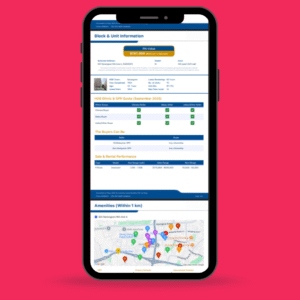
Find Out What Your Home Is Really Worth Today?
Get a data-driven property valuation in minutes, backed by the latest URA & HDB transactions and market trends. Whether you’re planning to sell, buy, or refinance, knowing your home’s true worth gives you the confidence to make smarter decisions.