
Why your valuation doesn’t match your neighbour’s record-breaking sale
You’ve seen the headlines. A unit down the block just sold at a jaw-dropping price. WhatsApp chats light up. Agents start quoting that number like it’s the new law of gravity. So when your valuation comes back lower, the reaction is almost always the same: How is this possible?
Here’s the uncomfortable truth most homeowners aren’t told upfront: valuations aren’t designed to mirror the highest recent transaction. They’re designed to answer a colder, more specific question — what this home is worth, in today’s market, to a typical buyer, under normal conditions.
Valuers and online valuation tools don’t simply copy the biggest number in the neighbourhood. They strip away the hype, adjust for differences in condition, layout, lease, and timing, and then anchor the price to where the market is now, not where it peaked weeks or months ago. That’s why a neighbour’s record-breaking sale can coexist with a lower valuation — and why that gap is often logical, even if it feels deeply unfair.
Understanding this distinction is the first step to making sense of your valuation — and deciding what to do next.
How Home Valuations Are Actually Determined
Before questioning why your valuation feels low, it helps to understand how valuations are actually built. Because contrary to popular belief, valuers don’t “average” neighbourhood prices or chase the highest recent sale. They work backwards from evidence — and that evidence is narrower, stricter, and more adjusted than most homeowners expect.
Comparable Sales, Not Asking Prices
Valuations are anchored on comparable sales, not listings, rumours, or agent quotes.
A valid “comp” typically needs to check several boxes at once:
Located in the same or a very similar micro-area
Similar property type, size, and age
Comparable tenure or remaining lease
Transacted recently, usually within the last 3–6 months
A record-breaking sale two streets away, on a higher floor, with a newer renovation and a longer remaining lease may be nearby — but it’s not truly comparable. That’s why similarity matters more than proximity. Valuers would rather use a slightly older sale that closely matches your home than a recent one that looks impressive but isn’t like-for-like.
Adjustments Valuers Make (Up and Down)
Even when two properties look similar on paper, valuers rarely treat them as equals.
After selecting comparables, valuers apply adjustments to reflect differences such as:
Size: built-up area, usable space, bedroom configuration
Age: newer blocks or recently upgraded units typically command premiums
Condition: renovations, maintenance issues, or visible wear and tear
Tenure / remaining lease: especially critical for leasehold and HDB properties
Layout and liveability: awkward rooms, poor flow, or compromised privacy
This is why two homes in the same block can end up with noticeably different valuations. The headline similarities mask dozens of small deductions and premiums — and those adjustments quietly add up.
Why Some Transactions Carry Less Weight
Not every recorded transaction represents true market value.
Valuers tend to discount or cautiously interpret certain sales, including:
Non-market deals: family transfers, related-party transactions, or prices agreed for reasons unrelated to open-market demand
Distressed or special-case sales: urgent sales, foreclosures, auctions, or transactions where speed mattered more than price
These deals may still appear in public records, but they don’t carry the same weight as a clean, arm’s-length sale between a willing buyer and seller. Understanding this explains why some “recent transactions” influence your valuation far less than you’d expect — or sometimes not at all.
The Most Common Reasons Your Valuation Is Lower
Once you understand how valuations are built, the gap between your number and your neighbour’s headline sale usually becomes easier to explain. In most cases, it isn’t one big issue — it’s a stack of small, defensible deductions adding up.
Condition, Layout, and Presentation Differences
Condition is one of the fastest ways value gets adjusted downward — even within the same block or street.
Common value drags include:
Maintenance issues: ageing air-con systems, worn flooring, leaks, outdated kitchens or bathrooms, or visible structural wear
Layout inefficiencies: chopped-up rooms, awkward bedroom sizes, poor flow, or bathrooms accessed through bedrooms
Kerb appeal and surroundings: tired façades, cluttered corridors, messy common areas, or neighbouring units in visible disrepair
Two homes can share the same address, yet the one that shows better almost always values better.
Conservative or “Safer” Comparables Used by the Valuer
Valuers are trained to avoid optimistic assumptions — especially when lending is involved.
That often means:
Older transactions in fast-moving markets: when prices rise quickly, comps from several months ago may lag today’s asking prices
Lower-priced or compromised nearby sales: transactions affected by layout issues, poor condition, or urgency can anchor the valuation downward
Distressed or urgent sales: auctions, foreclosures, or time-pressured deals may appear in the dataset and influence the valuer’s range
From a risk perspective, valuers prefer defensible numbers over headline highs.
The Market Has Shifted Since Those Transactions
Many owners benchmark against the peak sale in their area — but valuations must reflect the market today, not the moment of maximum optimism.
Gaps emerge when:
The market cools after a hot run: demand slows, supply builds, and price momentum flattens
Financing tightens: higher interest rates and stricter lending reduce buyer purchasing power
Bidding wars distort prices: emotionally charged or cash-heavy buyers can push prices beyond what most buyers would pay
Valuers often treat these extreme results as outliers, not new baselines.
Your Property Isn’t Truly Like-For-Like
On paper, two homes may look identical. In reality, small differences matter.
Less obvious value differentiators include:
Micro-location effects: facing, floor level, noise exposure, sun direction, privacy, and view
Lease length or tenure: shorter remaining leases can materially affect value and financing
Data richness and transaction history: homes that haven’t transacted in years may have thinner or less accurate data trails
“Soft” demand factors: perceived safety, street reputation, buyer preferences, or even number superstition
These nuances explain why side-by-side homes can still attract very different valuations.
Nearby Transactions That Aren’t Arm’s-Length Sales
Not all “recent transactions” reflect open-market pricing.
Examples include:
Family transfers: deliberately priced below market for internal arrangements
Part-share or restructuring deals: only a portion of the property value is reflected in the recorded price
Forced or situational sales: sellers prioritising speed, certainty, or legal resolution over maximising price
When compared casually, these deals can distort expectations — making a normal valuation feel unfairly low.
Data Errors and Valuation Limitations
Sometimes, the issue isn’t the market — it’s the data.
Common limitations include:
Incorrect size or room counts: errors in built-up area or layout details can directly suppress value
Unrecorded renovations: upgrades that aren’t visible or documented may not be reflected in the valuation
Thin transaction volume: in quieter micro-markets, valuers are forced to extrapolate from imperfect comps
Valuations are evidence-based — and when the evidence is incomplete, the outcome is often conservative by design.
Why Online Estimates and Bank Valuations Often Differ
If you’ve ever compared a bank valuation with an online estimate and wondered which one is “wrong”, the short answer is: neither — they’re just built for different purposes.
AVMs vs Professional Valuers
Online property estimates are typically generated by Automated Valuation Models (AVMs). These rely on algorithms that analyse historical transactions, price trends, and available property data at scale. They’re fast, convenient, and useful for ballpark checks — but they don’t physically inspect your home.
Bank valuations, on the other hand, are conducted by professional valuers whose primary responsibility is risk management. Their numbers must stand up to scrutiny from lenders, regulators, and auditors. That means site inspections, conservative assumptions, and defensible comparables — even if the result feels less exciting.
In practice, AVMs tend to move faster in rising markets and lag in cooling ones, while bank valuations are intentionally slower and more cautious.
Data Lag and Algorithm Assumptions
Online estimates are only as good as the data feeding them.
Common limitations include:
Data lag: recent transactions may not yet be reflected, especially in fast-moving markets
Assumptions over facts: algorithms may assume average condition, standard layouts, or typical renovations
Limited visibility: upgrades, defects, or layout quirks inside the unit are often invisible to models
When markets shift or your property deviates from the “average”, automated estimates can drift meaningfully away from reality.
Why Neighbours See Different Numbers Online
It’s also common for neighbours in the same block to see different online valuations — and assume something’s wrong.
Usually, it comes down to:
Richer data on recent sellers: homes that transacted recently have clearer, more up-to-date records
Different attributes: floor level, facing, unit mix, or historical updates in the database
Transaction bias: the most recent sale can temporarily anchor estimates for similar units
Online tools don’t value fairness — they value patterns. And when those patterns differ, so do the numbers on screen.
What Homeowners Can Realistically Do Next
A lower-than-expected valuation isn’t the end of the road — but it is a decision point. What matters next is responding with clarity, not emotion.
Review the Valuation Report Critically
Start by reading the valuation report line by line, not just the final number.
Pay close attention to:
Comparables used: are they truly similar in size, layout, lease, and condition — or simply nearby?
Condition notes: look for comments on maintenance, renovations, or defects that may not reflect reality
Obvious inaccuracies: incorrect floor area, room count, tenure details, or outdated assumptions
Many valuation gaps begin with small factual errors that quietly cascade into a lower figure.
Prepare Evidence If You’re Challenging the Valuation
If the valuation doesn’t reflect your home accurately, evidence — not opinions — is what moves the needle.
Useful supporting materials include:
Renovation proof: invoices, contracts, and before-and-after photos that demonstrate real upgrades
Better-matched comparables: recent transactions that more closely mirror your unit’s size, floor, lease, and condition
Updated floor plans: especially if layouts differ from standard units or records are outdated
The goal isn’t to argue — it’s to help the valuer see what the data missed.
Decide on the Right Strategy
Once you understand the valuation and your options, choose a path deliberately.
That may mean:
Accepting the valuation and adjusting expectations: pricing realistically for today’s market
Renegotiating price: especially if a buyer’s financing depends on the valuation
Appealing or seeking a re-valuation: where rules allow and strong evidence exists
The right move depends on timing, market conditions, and your broader plans — but informed decisions always outperform hopeful ones.
Your valuation isn’t “wrong” — it’s just telling a different story
A lower valuation doesn’t mean your home has suddenly lost its worth, or that the market is conspiring against you. It means the valuation is answering a different question — one rooted in evidence, risk, and today’s conditions, not yesterday’s headlines or a neighbour’s exceptional result.
Emotionally, it’s natural to anchor to the highest price you’ve seen nearby. Strategically, that’s rarely helpful. Valuations strip out optimism, one-off bidding wars, and best-case assumptions, replacing them with a sober view of what a typical buyer can and will pay right now.
The homeowners who navigate this best aren’t the ones who argue with the number — they’re the ones who understand it. When you separate feeling from fact, you can price more intelligently, negotiate more effectively, and decide your next move with clarity instead of frustration.
In property, realism isn’t pessimism. It’s leverage.
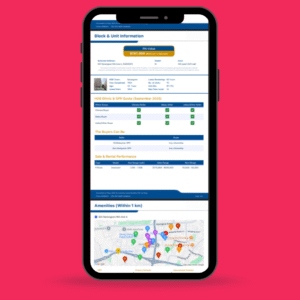
Find Out What Your Home Is Really Worth Today?
Get a data-driven property valuation in minutes, backed by the latest URA & HDB transactions and market trends. Whether you’re planning to sell, buy, or refinance, knowing your home’s true worth gives you the confidence to make smarter decisions.