
Why Most HDB Upgrades Go Wrong
Upgrading from an HDB to a condo or EC is often sold as a lifestyle glow-up: more space, better facilities, a psychological step “up.” But in reality, most upgrades don’t go wrong because the buyer aimed higher — they go wrong because the transition is treated like a shopping decision instead of what it really is: a financial and regulatory reset.
The moment you move out of the HDB framework, the rules change. Loan limits tighten. CPF usage shifts. Taxes like ABSD suddenly come into play. Timelines that felt flexible become unforgiving. What worked when buying your first flat no longer applies cleanly when you’re upgrading, especially if you’re juggling an existing loan, CPF refunds, grants, or a sale-and-purchase sequence that has to line up almost perfectly.
That’s why this article isn’t about generic advice like “set a budget” or “choose a good location.” It focuses on the three friction points that actually cost upgraders real money: timing mistakes, financing miscalculations, and policy blind spots. The seven mistakes below are the ones that quietly erode cash, trigger avoidable taxes, or lock buyers into stressful decisions — often before they even realise something has gone wrong.
Mistake #1: Not Understanding Loan & CPF Rules When Moving Up
One of the most common — and costly — assumptions HDB upgraders make is thinking that upgrading simply means taking a bigger loan. After all, income may have gone up, careers are more stable, and banks are willing to lend. On paper, it looks straightforward. In reality, the rules governing loans and CPF usage change the moment you move out of the HDB framework — and many buyers only discover the constraints when it’s already too late to adjust.
How loan rules change once you leave HDB
HDB buyers are used to the Mortgage Servicing Ratio (MSR), which caps monthly instalments at 30% of gross income. When upgrading to a private property, MSR no longer applies — but this doesn’t automatically make things easier. Instead, everything falls under the Total Debt Servicing Ratio (TDSR), which caps total monthly debt obligations at 55% of income.
For upgraders who still have an outstanding HDB loan, car loan, or other debts, TDSR can be far more restrictive than expected. What looked like a comfortable upgrade on a spreadsheet can suddenly become a financing squeeze once all liabilities are counted properly.
Common CPF misconceptions tied to remaining lease
Another blind spot is CPF usage. Many owners assume that because they could freely use CPF for their HDB, the same will apply when upgrading — or that their current flat’s remaining lease doesn’t matter anymore. In fact, lease length continues to shape both CPF usage and loan tenure.
Older HDBs with shorter remaining leases may limit how much CPF buyers can use, which affects resale demand and the cash proceeds available for the next purchase. This becomes especially painful for upgraders who discover, too late, that the cash they expected from their HDB sale doesn’t materialise the way they planned.
Why “qualifying on paper” isn’t the same as being affordable
Passing TDSR or receiving a rough loan estimate doesn’t mean the upgrade is truly affordable. Many buyers qualify at today’s interest rates, but have little buffer if rates rise, income fluctuates, or household expenses increase. Bank loans also lack some of the safety nets HDB loans offer, making over-optimistic assumptions especially risky.
How to avoid this mistake
Do pre-upgrade checks early: get an in-principle loan approval and a CPF property usage calculation before shortlisting any condo or EC.
Model multiple scenarios — sell-then-buy, buy-then-sell, or temporary renting — to see how cashflow, CPF refunds and loan limits behave under different paths.
Understanding these rules upfront doesn’t just protect your approval chances. It prevents you from designing an upgrade plan that looks good on paper but falls apart once the real constraints kick in.
Mistake #2: Triggering ABSD Due to Poor Timeline Planning
For many HDB upgraders, ABSD isn’t triggered by greed or intentional property hoarding — it’s triggered by poor sequencing. Buy the condo too early, sell the HDB too late, and you can accidentally find yourself owning two properties at the same time. That single overlap can turn an otherwise sensible upgrade into a six-figure tax problem.
When ABSD is triggered during an upgrade
ABSD applies the moment you purchase a second residential property while still owning your HDB. It doesn’t matter if the overlap is temporary, or if your intention is to sell the HDB shortly after. From a policy standpoint, you own two properties — and ABSD is payable upfront based on the higher of the purchase price or market value of the new home.
This often catches upgraders who assume that selling “soon after” is good enough, or who underestimate how long HDB sale timelines, completion dates and buyer financing can actually take.
Why ABSD remission still creates cashflow strain
Yes, ABSD remission may be possible if you sell your HDB within the stipulated timeframe. But remission doesn’t mean exemption. You still have to pay ABSD first, usually in cash or CPF, and only get it refunded later.
That upfront payment can severely strain cashflow, reduce funds available for downpayment or renovation, and increase reliance on short-term financing. For some households, the issue isn’t whether they’ll eventually get the money back — it’s whether they can survive the interim period without compromising other decisions.
The hidden cost of rushed decisions and bridging loans
Once ABSD is in play, the pressure mounts. Sellers may accept lower offers just to meet deadlines. Buyers may rush into less suitable condos to “lock in” a purchase. Bridging loans, often taken to plug short-term gaps, add interest costs and risk at exactly the wrong moment — when finances are already stretched.
How to avoid this mistake
Decide early between a sell-then-buy approach (cleaner cashflow, lower tax risk, possible temporary renting) and a buy-then-sell approach (tighter timelines, higher coordination, potential ABSD exposure).
Anchor every decision to a realistic timeline — from HDB listing and option periods to condo completion and loan disbursement — rather than relying on assumptions that “things will line up.”
ABSD isn’t just a tax issue. It’s a timing issue. And for HDB upgraders, timing mistakes are often the most expensive ones to fix.
Mistake #3: Ignoring Resale Levy, CPF Refunds & “Negative Sale” Risk
One of the most painful surprises for HDB upgraders isn’t market-related — it’s arithmetic. Many owners assume that because their flat has “made money” on paper, they’ll naturally walk away with a healthy pile of cash for the next purchase. In reality, resale levies, CPF refunds and accrued interest can quietly absorb those gains, leaving far less usable cash than expected — or none at all.
When resale levy applies (and when it doesn’t)
Resale levy typically comes into play when an upgrader moves from a subsidised flat (such as a BTO or a resale flat bought with grants) into another subsidised housing option like a new-launch Executive Condominium. The levy is deducted from sale proceeds and directly reduces the cash available for the upgrade.
If you’re upgrading to most private condos, a resale levy usually doesn’t apply — but this “relief” often comes with other trade-offs, such as exposure to ABSD if timelines aren’t managed carefully. The mistake is looking at each rule in isolation, instead of understanding how they interact.
CPF refund mechanics and accrued interest
When you sell your HDB, all CPF monies used — including accrued interest — must be refunded back into your CPF account. This isn’t a penalty; it’s simply restoring what your CPF would have earned if it hadn’t been used for housing. But for long-time owners who have used large CPF sums, the refund amount can be substantial.
The result? Sale proceeds that look impressive on the surface shrink quickly once CPF refunds are accounted for, reducing the cash portion available for downpayment and stamp duties on the next property.
What a “negative sale” really looks like in practice
A negative sale occurs when the selling price of the HDB, after repaying the outstanding loan, isn’t enough to fully refund the CPF principal plus accrued interest. In such cases, sellers may walk away with zero cash — and while CPF top-ups are sometimes waived under specific rules, the upgrade plan still takes a major hit.
This is especially dangerous for upgraders who commit to a condo purchase assuming their HDB sale will fund the downpayment, only to realise too late that the cash never materialises.
How to avoid this mistake
Do a proper net proceeds calculation early: estimated sale price minus outstanding loan, resale levy (if any), and full CPF refund with interest.
Reframe how you think about equity. Not all “profit” is spendable cash, and understanding the difference between paper gains and usable funds is critical before committing to any upgrade.
Ignoring these mechanics doesn’t just shrink your budget — it can derail the entire upgrade if expectations and reality don’t align.
Mistake #4: Overstretching Budget & Underestimating Ongoing Costs
Many HDB upgraders make it past the hardest gate — loan approval — and assume the battle is won. The purchase goes through, keys are collected, and the upgrade feels like a success. The real strain, however, often shows up later. Not at signing, but during ownership, when monthly obligations stack up and financial buffers turn out to be thinner than expected.
Max-loan syndrome and razor-thin safety buffers
A common trap is upgrading to the maximum property one qualifies for rather than the one that’s sustainably affordable. On paper, TDSR may say yes. In real life, this leaves little room for interest rate hikes, job changes, childcare costs, or ageing parents. What starts as a manageable monthly instalment can quickly feel suffocating once even one variable shifts.
Why bank loans carry different risks from HDB loans
Upgraders moving from HDB loans to bank loans often underestimate the difference in risk profile. Bank loans don’t come with the same policy safeguards. Interest rates are variable, refinancing rules are stricter, and income disruptions can make future loan adjustments harder. A budget that felt comfortable under HDB’s structure may feel far more exposed under a private property loan.
The ongoing costs buyers forget to factor in
The mortgage is only part of the equation. Condo living comes with maintenance fees, sinking funds, higher property tax, insurance, and sometimes separate parking charges. These recurring costs can quietly add hundreds — sometimes thousands — of dollars to monthly outgoings. Renovation and furnishing costs, especially for newer developments, are another frequent blind spot.
How to avoid this mistake
Run conservative stress tests: assume higher interest rates and a temporary income drop, and see if the numbers still feel comfortable.
Focus on right-sizing expectations, not just the property itself — choosing a slightly smaller unit or less central location can dramatically improve long-term financial resilience.
A successful upgrade isn’t one you can afford on day one. It’s one you can live with comfortably for the next ten or twenty years.
Mistake #5: Focusing Only on Size or Location, Not Long-Term Goals
For many HDB upgraders, the decision to move is driven by immediate lifestyle needs: a bigger unit for a growing family, a shorter commute, or being closer to parents. These are valid reasons. The problem arises when they become the only reasons. Without a longer-term view, lifestyle-driven choices can quietly create financial constraints that only surface years later.
Short-term needs versus long-term financial reality
A larger home or better location may solve today’s pain points, but they also lock in higher costs and longer commitments. Upgraders who optimise purely for the present often underestimate how long they’ll need to service the loan, or how changes in income, health, or family structure might affect affordability down the road.
Lease age, growth potential and exit flexibility
Not all properties age equally. Older developments, or those in low-growth areas, may look attractive in terms of size or price, but can become harder to sell or upgrade from later. Lease age affects buyer financing, CPF usage and demand, which in turn caps future resale potential. Without considering exit flexibility, today’s “perfect fit” can become tomorrow’s bottleneck.
Ignoring retirement and right-sizing implications
Another common oversight is failing to plan beyond peak earning years. A property that feels manageable in your 30s or 40s may become a burden in your 50s or 60s. If there’s no plan for right-sizing, unlocking equity, or reducing loan exposure over time, the upgrade can compromise retirement adequacy instead of enhancing long-term security.
How to avoid this mistake
Start with a goal-first framework: define what the property needs to achieve financially — capital growth, flexibility, legacy planning, or eventual downsizing — before filtering by size or location.
Align your property choice with future life stages, not just current circumstances, so the home supports you through different phases rather than trapping you in one.
An upgrade should evolve with your life. When it doesn’t, the cost isn’t just financial — it’s flexibility.
Mistake #6: Underestimating Lease Decay & Future Resale Value
One of the most persistent myths among HDB owners is that time alone will take care of resale value. Hold long enough, wait for the “right” moment, and the flat will somehow fund the next upgrade. In reality, waiting too long often does the opposite. Lease decay quietly erodes leverage — and by the time many owners act, their options have already narrowed.
How lease decay affects loans, CPF and buyer demand
As an HDB flat’s remaining lease shortens, financing rules tighten for the next buyer. Banks reduce allowable loan tenure and amounts, and CPF usage becomes restricted based on whether the remaining lease can cover the youngest buyer to at least age 95. These constraints shrink the buyer pool, dampen demand, and place a ceiling on prices, regardless of location or size.
Why older flats face financing ceilings
Even in popular estates, older flats eventually hit a financing wall. Buyers may like the unit, but if they can’t borrow enough or use sufficient CPF, affordability becomes the bottleneck. This doesn’t mean prices must collapse — but it does mean appreciation potential is capped. Owners who ignore this reality often overestimate what their flat can realistically fund in an upgrade.
The “missed upgrade window” problem
Many upgraders wait until their flat feels “fully maximised” before selling, only to realise that the market has moved on. The ideal window — when the flat is mature enough to have appreciated but young enough to remain financing-friendly — has passed. What remains is a narrower path: fewer buyers, tighter budgets, and reduced flexibility for the next move.
How to avoid this mistake
Set early lease review checkpoints, such as shortly after MOP or midway through the lease, to reassess upgrade feasibility rather than assuming time is always on your side.
Practise market-aware timing, factoring in financing rules and buyer behaviour, instead of holding purely for emotional or anecdotal reasons.
Lease decay isn’t a theoretical concept. It’s a structural reality — and ignoring it is how many upgraders lose leverage without even realising it.
Mistake #7: Treating the Upgrade as a DIY Project (or Picking the Wrong Agent)
Upgrading from an HDB to a condo isn’t just about choosing a property — it’s a complex orchestration of finance, timing, and compliance. Many upgraders underestimate this complexity, assuming they can navigate the process solo or by leaning on a single friend or low-cost agent. The result isn’t just stress — it’s costly missteps that could have been avoided with the right guidance.
Risks of fragmented online advice
The internet is full of tips, calculators, and anecdotal stories. While helpful in isolation, relying solely on scattered advice can leave gaps. Upgraders often miss critical deadlines, misunderstand CPF and loan rules, or misinterpret ABSD and resale levy regulations. Fragmented knowledge increases the risk of expensive mistakes that only become apparent when contracts are signed or cash is due.
Complexity of synchronising sale, purchase and financing
Coordinating an HDB sale with a condo purchase involves multiple moving parts: loan approvals, CPF refunds, ABSD deadlines, bridging loans, renovation timelines, and more. Even small misalignments can trigger cashflow issues, rushed decisions, or missed opportunities. DIY attempts frequently underestimate the coordination effort required, leading to stress, delays, or forced compromises.
Why agent choice affects outcome, not just convenience
Choosing an agent is more than a convenience decision. The right agent provides strategic guidance: structuring timelines, advising on financing pitfalls, and optimising resale strategies. Selecting an agent based purely on friendship, familiarity, or lowest commission often results in reactive decisions instead of proactive planning, leaving the upgrader exposed to preventable risks.
How to avoid this mistake
Ask the right questions: Interview at least 2–3 agents or advisers, focusing on how they would manage your sale-purchase timeline, financing strategies, and exit plan.
Treat professional advice as strategic, not transactional: Look for guidance that goes beyond paperwork — someone who helps stress-test scenarios, anticipate cashflow gaps, and align your upgrade with both short- and long-term goals.
In the end, the upgrade succeeds not because of DIY effort or luck, but because of strategic execution supported by the right expertise. The cheapest or most convenient route often costs the most.
Upgrading Isn’t the Risk. Poor Planning Is.
Upgrading from an HDB to a condo isn’t inherently risky. The real danger lies in approaching it without structure. Timing missteps, misjudged financing, overlooked CPF rules, and missed policy deadlines are what turn a seemingly smooth upgrade into a stressful, costly ordeal. The good news? Every mistake highlighted above is avoidable with careful planning and foresight.
Proactive upgraders treat the process as a coordinated project: they review loan eligibility, stress-test budgets, understand resale levies and ABSD implications, and align property choices with long-term goals. They also recognise when professional guidance — from agents, mortgage advisers, or financial planners — transforms execution from guesswork into strategy.
Before committing to your next property, take the time to map your timeline, crunch your cashflow, and clarify your objectives. Upgrading isn’t about luck or speed — it’s about smart planning, informed choices, and structured action. Do this, and you’ll move not just into a new home, but into one that truly supports your future.
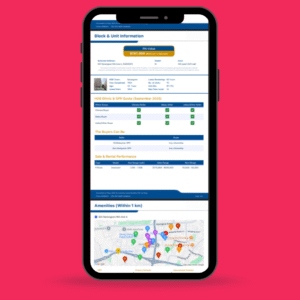
Find Out What Your Home Is Really Worth Today?
Get a data-driven property valuation in minutes, backed by the latest URA & HDB transactions and market trends. Whether you’re planning to sell, buy, or refinance, knowing your home’s true worth gives you the confidence to make smarter decisions.