The Cost Nobody Warned You About
On paper, upgrading from an HDB flat to a condo feels like a clean, linear step up: sell your flat, buy a private home, enjoy the pool. In reality, it’s more like peeling an onion—every layer reveals another cost, another rule, another number the property ads never quite mention.
Because here’s the quiet truth most upgraders only discover mid-process: the $1–2 million price tag isn’t the real shock. It’s everything else wrapped around it.
From stamp duties that bite before you even collect your keys, to loan rules that slash your borrowing power, to rental gaps, rising utilities, renovation expectations, and lifestyle creep—upgrading is a maze of visible and invisible commitments. And unless you know where the traps are, the financial strain doesn’t show up gradually… it arrives all at once.
This guide cuts through the glossy assumptions and lays out the full, unfiltered cost landscape. So you don’t just upgrade to a condo—you do it with clarity, control, and zero surprises.
The Real Price Tag: Upfront Purchase Costs
Upgrading isn’t just about paying for a more expensive home — it’s about navigating a dense wall of upfront charges that quietly stack onto the condo’s headline price. Before you even step into your new unit, here are the costs already waiting at the door.
Buyer’s Stamp Duty (BSD) — the Five-Figure Starting Line
Singapore’s tiered BSD system works like a progressive tax: the more expensive the property, the steeper the rate on each tier. And for condo upgraders shopping in the $1–2 million range, BSD becomes the first unavoidable hit.
For a typical $1M–$2M condo, BSD almost always lands in the high five-figure territory — a sizable upfront payment that often catches first-time private property buyers off guard. It’s non-negotiable, due within tight timelines, and must be budgeted in cash or CPF. Think of BSD as the entry ticket to the private property club… and it’s not a cheap one.
Additional Buyer’s Stamp Duty (ABSD) — the Big Trap for Upgraders
ABSD is where many HDB upgraders unintentionally step into six-figure territory.
You’re treated as owning two properties the moment you buy your condo before selling your HDB — and that’s when ABSD kicks in. Even if you fully intend to sell your flat, IRAS sees you as a second-property buyer until the HDB is legally transferred to its new owners.
The good news? Remission is possible for married couples (Singaporean citizen households) who sell their HDB within the stipulated deadline.
The bad news? Missing the timeline — delays in buyers’ financing, hiccups in HDB approval, or slow market conditions — can instantly turn that “temporary” ABSD into a permanent, painful six-figure expense.
This is why ABSD isn’t just a tax — it’s a timing risk.
Legal, Valuation & Bank Fees — the Admin Bill That Keeps Growing
Beyond taxes, the paperwork itself comes with its own price tag.
Conveyancing fees for both the HDB sale and the condo purchase easily add up to a few thousand dollars each, depending on the law firm and the complexity of your timeline. Think contract reviews, CPF refunds, mortgage documents, HDB compliance — every step is met with a legal bill.
Then come the valuation fees, loan administration charges, and mandatory fire or mortgage insurance required by most banks — a cluster of smaller-but-steady costs that quietly swell the total.
And if you choose a law firm that isn’t part of your bank’s approved panel?
Expect to pay separate legal fees for the bank’s appointed firm as well — a double charge many upgraders only discover after signing their Option to Purchase.
These aren’t optional extras. They’re the baseline reality of entering the condo market — and they form the first wave of hidden costs most upgraders underestimate.
Financing Shock: Loan Rules & Rising Interest Costs
If upfront costs are the opening punch, financing is the body blow most upgraders don’t see coming. Moving from the safety of an HDB loan into the private banking world means stepping into a landscape of fluctuating rates, stricter rules, and a much costlier long-term commitment.
Switching From HDB Loan to Bank Loan
Upgraders give up the HDB concessionary rate — a famously stable peg that’s held steady for years — and enter the realm of bank loans, where interest rates move with the market.
Floating rates can spike with global conditions, and even fixed packages only lock you in for short periods before reverting to higher, variable rates.
The result? Monthly repayments that feel less predictable — and often noticeably higher — than what you were paying for your HDB.
Lower LTV for Upgraders Still Holding a Housing Loan
If you haven’t fully cleared your HDB loan before buying the condo, you’re immediately hit by tighter Loan-to-Value (LTV) limits.
Instead of borrowing up to the maximum allowed slab, upgraders with an existing loan can see their LTV shrink — meaning:
You can borrow significantly less, and
You must pay a much larger portion upfront, whether from CPF or cash.
This is where many upgraders miscalculate: they focus on the condo’s price but forget the cash flow needed when loan eligibility gets trimmed down.
TDSR & Stress Testing — Why You May Borrow Less Than Expected
Even if you think your income is strong enough, the bank’s decision isn’t based on “today’s interest rate.”
Every borrower is assessed under the Total Debt Servicing Ratio (TDSR), with income stress-tested at a mandated interest floor (often higher than current market rates).
This can slash borrowing power dramatically, especially when combined with:
car loans,
education loans,
credit card obligations,
or the existing HDB mortgage.
In short: the bank may approve far less than what you assumed, reshaping your entire condo budget overnight.
Long-Term Cost of Interest
A condo mortgage typically involves:
a larger principal,
higher effective interest, and
multiple rounds of refinancing over the years.
Combine these, and your total lifetime interest cost balloons — often far beyond what upgraders anticipate when comparing a “slightly higher” condo mortgage to their old HDB monthly instalment.
Refinancing fees add another layer, meaning the long-term cost isn’t just about higher rates today… but the cumulative financial weight across decades.
Financing isn’t just the middle chapter of upgrading — it’s where the real shock often hits.
Selling Your HDB: Fees, Timing & Tax Surprises
Upgraders love to tell you how much their resale flat fetched — but conveniently forget the bills that quietly chew into your condo budget. Selling an HDB isn’t just a payout; it’s a sequence of costs, paperwork, and timing traps that can shrink your war chest before you even start condo shopping.
Agent Commission — The Tens of Thousands You Must Budget For
Most sellers still hire an agent, and the industry-standard commission is 2% of your selling price, plus GST. Sounds small, but the absolute amount? Brutal.
At current resale values:
A 4-room at $650,000 → $13,000 commission
A 5-room at $800,000 → $16,000 commission
A high-floor, renovated unit at $1M → $20,000 commission
And that’s before GST. For many upgraders, this is the single biggest selling expense — and it must be paid in cash from the sale proceeds at completion.
Legal Fees for the HDB Sale
Even if HDB handles the conveyancing, you still pay for the legal work that ties everything together:
Preparing legal documents
Handling the CPF refunds from your sale
Coordinating with banks if you have an outstanding mortgage
Managing title transfer and completion appointments
Expect roughly $700–$1,000 if using HDB’s legal services, and $1,800–$2,500 if you’re using a private law firm (common when upgrading because your condo purchase requires one).
These are often overlooked — until they appear in your completion statement.
SSD Risks for EC or Private Upgraders
Here’s the nasty surprise many owners don’t realise: SSD (Seller’s Stamp Duty) applies when you sell an EC or private property within the first 3 years of purchase. That means:
Sell within Year 1 → 12% SSD
Sell within Year 2 → 8% SSD
Sell within Year 3 → 4% SSD
For a $1.2M EC, that’s a potential $144,000 tax hit if sold too early.
SSD doesn’t apply to HDBs — but if you previously bought a private property, downgraded, and are now upgrading again, the holding period of that earlier property still matters.
Timing mistakes can wipe out your entire profit, especially if you misjudge market cycles or upgrade during construction delays.
Interim Housing & Timeline Risks
Upgrading sounds glamorous — new condo, new lifestyle, new facilities. But the transition period? That’s where most upgraders bleed cash. Whether you rent or hold your HDB while buying the condo, there’s no “cheap” route… just different flavours of pain.
The Rental Gap — The Most Common Hidden Cost
Most upgraders underestimate this. Once your flat sells, you often need 6 to 24 months of temporary accommodation while your condo completes (especially for new launches or MOP-delayed ECs).
And rent today isn’t the gentle pre-COVID price you remember.
Typical additional expenses include:
Storage fees — if your rental is smaller or partially furnished
Two rounds of moving costs — HDB → rental → condo
Short-term stays — if your rental start date doesn’t align
Extra deposits — especially for pets or furnished units
What feels like “just rent for a bit” often becomes a $20,000–$60,000 swing depending on family size, location, and timeline.
The ABSD Route — Holding the HDB While Buying the Condo
Don’t want to rent? Your alternative is keeping the HDB while buying the condo — but this comes with its own financial landmines.
The upfront bite: ABSD.
Current Additional Buyer’s Stamp Duty means:
Singapore Citizens: 20% on second property
PRs: 30%
Foreigners: 60%
Yes, you may get a refund if you sell your HDB within the stipulated timeline (for SC–SC married couples), but you must still cough up the full ABSD cash or CPF upfront.
Plus, the dual-cost burden:
Two housing loans (if your LTV allows it)
Two sets of maintenance/town council fees
Two utility bills
Insurance and property tax on both homes
This can choke your cash flow long before you’re ready to move.
Choosing Between the Two Pains
Here’s the honest truth:
Renting burns money upfront.
ABSD burns money upfront and locks your cash flow.
A simple framework to decide:
Choose Renting If…
Your condo is still building (TOP 1–3 years).
You want maximum selling price (no need to rush your HDB sale).
You prefer financial flexibility over cash-locking stamp duties.
You can accept sunk rental costs in exchange for lower stress.
Choose ABSD + Retain HDB If…
You have strong cash reserves.
You’re buying a resale condo with quick handover.
You want to avoid moving twice.
You’re confident you can sell your HDB quickly for refund eligibility.
The Key Question:
Do you fear wasting money (rent)?
Or do you fear locking up money (ABSD + double payments)?
Most upgraders fall into one category instinctively. The smart ones run the numbers before emotions take over.
Ongoing Condo Costs: The New Monthly Reality
Upgrading isn’t just about affording the purchase — it’s about sustaining the lifestyle that comes with it. Many upgraders plan for the mortgage but forget the bigger picture: condo living quietly raises your baseline cost of living every single month.
Maintenance Fees — $300–$1,000+ Monthly
Every condo has a mandatory monthly maintenance fee, and it’s often the first “ouch” moment for new owners.
What drives the cost?
Unit share value → larger units = higher fees
Facilities → lap pools, concierge, gyms, sky decks, private lifts
Development size → small boutique condos = fewer households to split the cost
Age of condo → older developments require more upkeep
Typical ranges today:
Mass-market condos: ~$280–$450
Boutique / small sites: ~$450–$650
Premium / luxury estates: $700–$1,200+
10-year impact:
Even at a modest $450/month, that’s $54,000 over a decade — before any special levies or major refurbishment cycles.
Repairs, Sinking Funds & MCST Levies
Your monthly fee doesn’t cover everything. Condo living introduces a new class of “surprise bills” that HDB owners rarely encounter.
These include:
Sinking fund contributions for future major repairs
Special levies during repainting, façade repairs, lift upgrading
MCST-mandated works (e.g., waterproofing, balcony repairs) that fall under shared responsibility
Private repairs you must handle independently — burst pipes, faulty compressors, oven replacements
A single major levy can add $2,000–$6,000 to your bill, depending on estate size and upgrade scope. Older condos experience these cycles more frequently.
Higher Utilities & Living Costs
That spacious layout and air-conditioned bliss come with a price.
Energy usage typically jumps because:
Condos run more aircon hours due to layout and heat load
Larger kitchens, more bathrooms, and bigger heaters consume more electricity
Households tend to shift into higher-consumption behaviour with lifestyle upgrades
Facilities like heated pools, gyms, function rooms indirectly influence utility bills via maintenance fees
Most upgraders see utilities rise 20–40%, especially families in 3- or 4-bedroom units.
The takeaway?
Upgrading doesn’t end when you collect the keys. It continues — every month — through maintenance, utilities, and estate-wide upgrades. The smartest upgraders plan for these from day one so their lifestyle upgrade doesn’t quietly become a financial downgrade.
Insurance, Renovation & Lifestyle Inflation
Buying a condo isn’t just a bigger home — it’s a bigger financial ecosystem. Beyond mortgage and monthly fees, you’re stepping into higher insurance premiums, renovation costs, and lifestyle expectations that quietly inflate your spending.
Higher Insurance Premiums
Condos require more protection, and banks enforce stricter insurance requirements:
Mortgage/fire insurance: Banks often mandate comprehensive coverage due to higher property values, protecting against fire, flood, and structural risks. Premiums rise in line with property price.
Contents and renovation coverage: Many upgraders choose to insure high-end furnishings, smart appliances, and designer finishes. Annual premiums can easily double compared to HDB coverage, adding $500–$1,500 per year depending on unit size and valuation.
Insurance isn’t optional — but it is often underestimated in budgeting.
Renovation Costs for Condos
Larger floorplans, higher ceilings, and modern design expectations mean renovation budgets balloon:
Floor area & material quality: Bigger units and premium finishes push total costs up significantly.
Management approvals: Most condos require MCST approvals, deposits for lift protection, and sometimes security deposits for renovation contractors.
Hidden extras: Custom wardrobes, balcony screens, designer lighting, or flooring upgrades can add tens of thousands more to the base renovation budget.
Even a “modest” 3-bedroom condo renovation can land anywhere between $50,000–$120,000, depending on scope and taste.
Lifestyle Creep After Upgrading
A condo often nudges you into new lifestyle expenses that don’t appear on any spreadsheet:
Transport: Parking charges, car-related insurance, or longer commutes from a more suburban location.
Fitness & leisure: Gym memberships may duplicate condo facilities, or you may upgrade to boutique classes.
Location-based costs: Higher food, shopping, or entertainment expenses in premium neighbourhoods.
These “soft costs” accumulate quietly every month, subtly widening the gap between your HDB budget and your new condo reality. Many upgraders only notice this impact after a year or two, when the lifestyle premium fully hits the wallet.
Condos bring comfort and convenience — but the hidden cost isn’t just cash upfront; it’s the monthly upgrade of your lifestyle itself, and it’s easy to underestimate.
Opportunity Costs & Policy Risks
Upgrading to a condo isn’t just a bigger commitment today — it’s a strategic decision with long-term consequences. Beyond monthly fees and upfront charges, savvy upgraders need to consider the hidden costs of opportunity and policy uncertainty.
Locking Capital Into a Private Property
Every dollar poured into your condo is money no longer available elsewhere. CPF balances and cash reserves are tied up, reducing flexibility for:
Other investments — stocks, bonds, or diversified portfolios that could yield returns while your condo appreciates slowly.
Emergency funds — cash for medical bills, unforeseen events, or short-term liquidity needs.
The opportunity cost can be substantial, especially if the property doesn’t deliver expected gains quickly. For many, the real expense isn’t just the purchase price — it’s the foregone alternatives that could have grown your wealth elsewhere.
Cooling Measures & Rule Changes
Singapore’s property landscape is constantly evolving. Rules governing private property loans and stamp duties can change abruptly:
Loan-to-Value (LTV) limits may tighten, reducing your borrowing power.
Total Debt Servicing Ratio (TDSR) adjustments can restrict eligibility or increase required cash outlay.
BSD/ABSD rates can rise, or eligibility criteria for remission may shift.
These changes can dramatically affect refinancing options, exit strategies, and overall financial planning. Upgraders who stretch themselves to the limit may find themselves constrained or forced to sell under less favourable conditions.
Market Risk vs Expectations of Appreciation
Many buyers assume condo prices will climb steadily — but reality often diverges:
Market fluctuations can stagnate growth, especially if cooling measures are introduced after your purchase.
High entry price + high monthly costs can erode your effective returns even if nominal prices increase.
The mismatch between expected appreciation and actual performance is a hidden cost in itself. Without factoring in this risk, upgraders may discover that their “upgrade” becomes a financial strain instead of a strategic gain.
In short, the financial picture isn’t just numbers on a spreadsheet. Liquidity, policy, and market uncertainties are all part of the invisible price tag that every HDB upgrader must weigh before committing.
Putting It All Together — What Upgraders Should Budget For
By now, the picture should be clear: upgrading from an HDB to a condo is not a simple swap of keys. Every stage — buying, financing, selling, interim housing, ongoing expenses, renovations, and lifestyle adjustments — carries costs that quietly accumulate. Here’s a holistic view of what aspiring upgraders should prepare for.
Major Cost Buckets
Upfront Purchase Costs
BSD & ABSD: five- to six-figure impact depending on timing
Legal, valuation, and bank fees: several thousand each
Financing & Interest
Loan eligibility limitations due to TDSR and LTV
Higher effective interest rates vs HDB loans
Refinancing costs over time
Selling Your HDB
Agent commission: ~2% of sale price
Legal fees for documentation & CPF refunds
SSD risks (for EC/private property upgraders)
Interim Housing & Timing Risks
Temporary rental or dual housing costs
Storage, moving, and short-term accommodations
Ongoing Condo Costs
Maintenance fees, sinking funds, and special levies
Higher utilities and lifestyle-related consumption
Insurance & Renovation
Mortgage/fire insurance and upgraded coverage for contents
Renovation deposits, lift protection, and approvals
Lifestyle inflation: transport, parking, gym memberships
Opportunity Costs & Policy Risks
Locked CPF/cash, foregone investment opportunities
Exposure to cooling measures, TDSR/LTV changes
Potential underperformance of expected condo appreciation
Buffers and Stress-Test Considerations
To avoid unpleasant surprises:
Maintain cash reserves covering at least 6–12 months of dual housing costs or emergency expenses.
Stress-test your affordability assuming interest rate hikes of 1–2% above current rates.
Factor in delays in HDB sale or condo completion, which can amplify ABSD or rental gaps.
Include potential special levies or unexpected repair bills in your long-term calculations.
Recommended Minimum Safe Financial Runway
For most upgraders, a prudent baseline is:
Upfront cash/CPF buffer: $100,000–$150,000 (depending on condo price and ABSD exposure)
Monthly buffer for dual costs and lifestyle inflation: $3,000–$5,000 for at least 6 months
Long-term 10-year projection: include maintenance, utilities, and renovations to prevent surprises in household cash flow
By calculating the full spectrum of costs — not just the purchase price — upgraders can move with confidence, avoid financial strain, and enjoy the condo lifestyle they’ve been planning for without hidden shocks.
Checklist: Hidden Costs You MUST Calculate Before Upgrading
Upgrading from an HDB to a condo is thrilling — but without a clear checklist, it can quickly turn into a financial quagmire. Use this one-page pre-upgrade audit to account for every hidden cost before signing anything.
Pre-Upgrade Decision Audit
1. Stamp Duties & Upfront Purchase Costs
Buyer’s Stamp Duty (BSD) — calculate tiered rates based on condo price
Additional Buyer’s Stamp Duty (ABSD) — estimate if holding HDB during purchase
Legal fees for both HDB sale & condo purchase
Valuation, loan administration, mortgage/fire insurance
2. Financing & Loan Readiness
Loan-to-Value (LTV) limitations if HDB loan is outstanding
Total Debt Servicing Ratio (TDSR) stress-test at higher interest floors
Expected interest payments & potential refinancing costs
3. Selling Your HDB
Agent commission (~2% of sale price)
Legal fees for documentation, CPF refunds, and HDB transfer
SSD exposure (for EC or private property upgraders within 3 years)
4. Interim Housing & Timeline Risks
Estimated rental gap or short-term accommodation costs
Storage and moving expenses
ABSD cash outlay if holding HDB while buying condo
Dual loan/utility/town council costs during overlap
5. Ongoing Condo Costs
Monthly maintenance fees & potential special levies
Sinking fund contributions, repairs, MCST charges
Higher utility bills due to larger space & lifestyle usage
6. Insurance & Renovation
Mortgage/fire insurance premiums
Contents and renovation insurance
Renovation deposits, lift protection, management approvals
Lifestyle inflation: gym, transport, parking, location-related spending
7. Opportunity & Policy Risks
Locked capital in CPF or cash; opportunity cost of alternative investments
Exposure to LTV, TDSR, BSD/ABSD policy changes
Market risk: condo price growth versus expectations
✅ Pro Tip: For every category, assign realistic amounts and stress-test by adding a 10–20% buffer. The goal is not to scare yourself — it’s to enter the condo market fully aware, fully prepared, and fully in control.
This checklist turns unknowns into numbers, and numbers into informed decisions.
The Transparent Guide Every Upgrader Needs
Upgrading from an HDB flat to a condo in Singapore is exciting — but it’s also a financial maze filled with hidden costs, timing risks, and policy traps. The key takeaway? It’s never just about the $1–2 million price tag. Every stage — from stamp duties and legal fees to interim housing, maintenance, renovations, and lifestyle inflation — can quietly add tens or even hundreds of thousands to your overall commitment.
Timing, liquidity, and careful planning are your best allies. Whether it’s navigating ABSD remission, stress-testing your loan eligibility, or preparing for ongoing condo fees, upgraders who map out every cost upfront avoid the shock of “unexpected” bills.
By understanding the full spectrum of hidden costs, keeping buffers for contingencies, and running realistic projections, you can step into your condo upgrade with confidence, clarity, and control — transforming what could be a financial headache into a smooth, rewarding transition.
Upgrading isn’t just a move — it’s a strategic, well-prepared investment in your lifestyle and future.
References / Further Reading
For readers who want to dive deeper into the numbers, policies, and real-life examples discussed in this guide, these sources provide detailed, up-to-date insights:
99.co – Upgrading from HDB to Condo: The Ultimate Guide — Step-by-step overview of the upgrade process, BSD/ABSD examples, and timelines.
DollarBack Mortgage – Hidden Costs of Upgrading to a Condo — Breakdown of interest, maintenance, legal, and stamp duty costs for upgraders.
Income (NTUC) – Upgrading from HDB to Condo — Worked cost examples, including rental during construction.
Propseller – Upgrading from HDB to Condo — Agent commissions, maintenance fee ranges, and market considerations.
PropertyGuru – Seller’s Stamp Duty Guide — Detailed rules for SSD and timing considerations.
Singapore Legal Advice – SSD & MOP Interaction — Legal guidance on when SSD applies.
Ohmyhome – Costs of Selling Property in Singapore — Updated breakdown of legal fees, agent commissions, and SSD illustrations.
HomeJourney – Singapore Property Cooling Measures — Overview of LTV, TDSR, ABSD, and other cooling rules impacting upgraders.
BuySellRent – Singapore Property Cooling Measures 2025 — Latest policy changes affecting loan eligibility and market expectations.
These resources can be used to verify calculations, explore specific costs in more detail, and plan
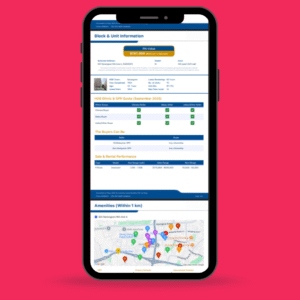
Find Out What Your Home Is Really Worth Today?
Get a data-driven property valuation in minutes, backed by the latest URA & HDB transactions and market trends. Whether you’re planning to sell, buy, or refinance, knowing your home’s true worth gives you the confidence to make smarter decisions.